

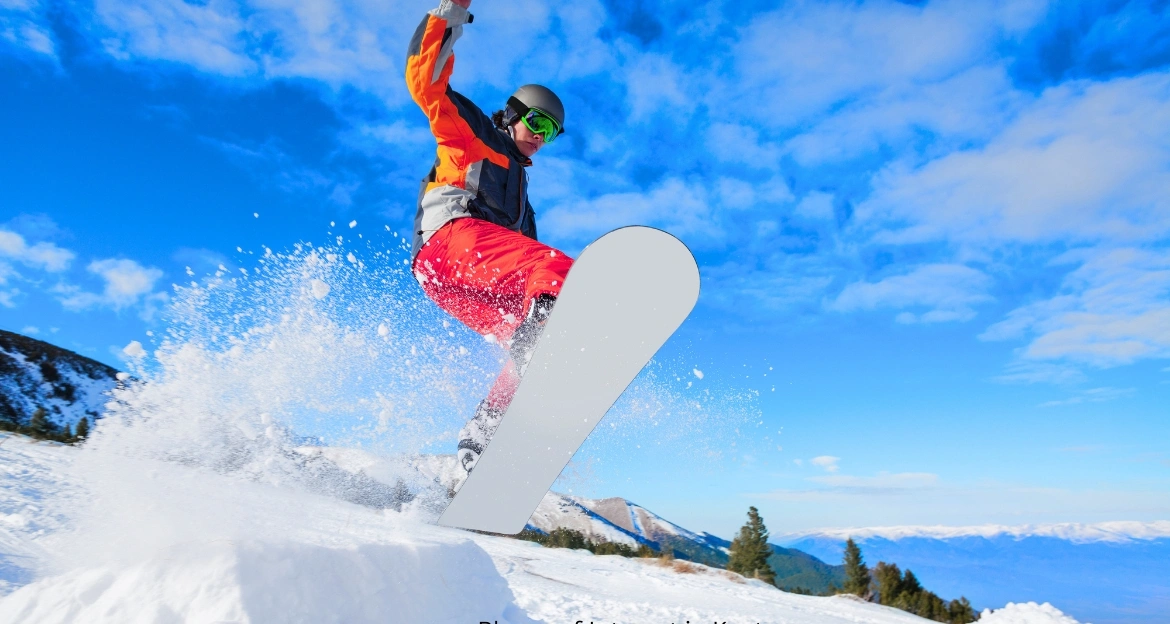
Snowboarding has grown from a niche winter sport into a global obsession, and more riders than ever are searching for the best places to snowboard each season. Whether you’re chasing bottomless Japanese powder, carving groomers in the Rockies, or hitting your first terrain park in the Alps, choosing the right resort can make or break your trip.
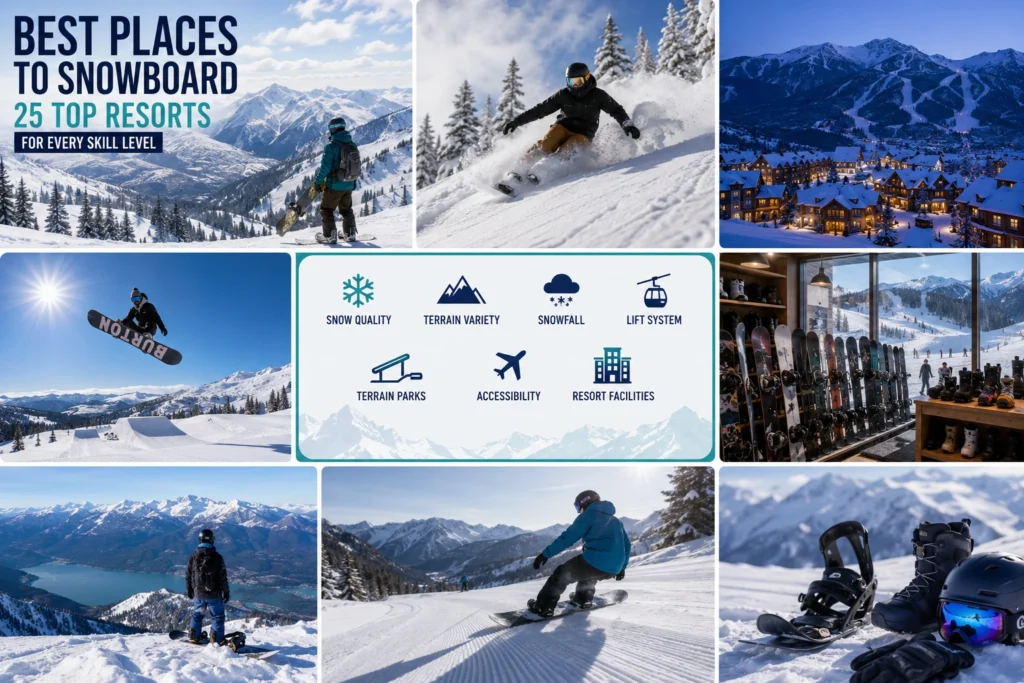
So what actually separates the best places to snowboard from an average ski town? It comes down to a handful of factors: consistent snowfall, varied terrain, reliable lift systems, well-maintained parks, and a village that suits your budget and travel style. A resort can have incredible powder and still disappoint riders if the lifts are slow, the runs are icy by noon, or there’s nothing for beginners to progress on.
This guide rounds up the best places to snowboard across the United States, Canada, Europe, and Japan, then breaks things down further by skill level, terrain park quality, and time of year. We’ll also cover practical planning — gear, boots, jackets, budgeting, and safety — so you’re not just picking a destination; you’re setting yourself up for a great season on the mountain.
Whether you’re a first-timer researching how to snowboard or a seasoned rider comparing best snowboards for a powder trip, this guide is built to help you plan with confidence.
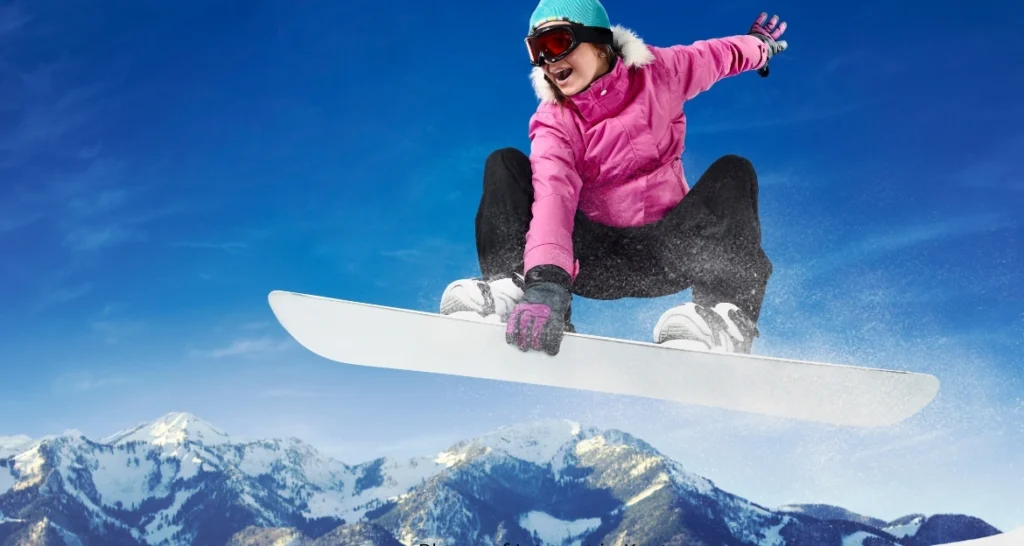
What Makes the Best Places to Snowboard?
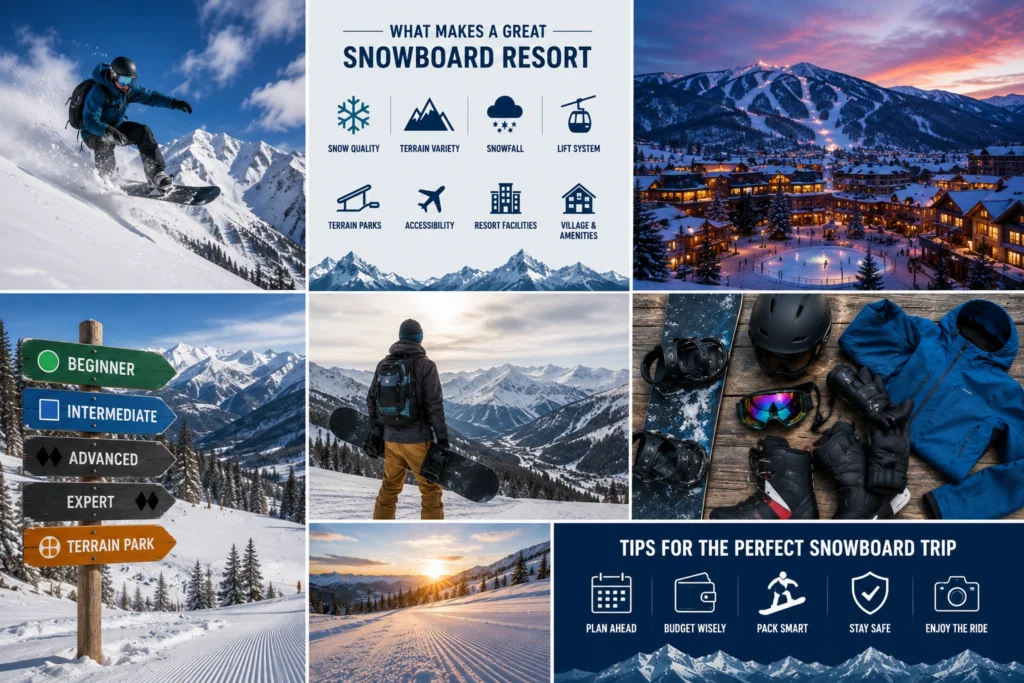
Not every snowy mountain deserves a spot on a list of the best places to snowboard. Riders judge resorts on a specific set of criteria, and understanding them helps you pick a destination that matches what you actually want out of a trip.
Snow Quality
Light, dry powder rides completely differently from the wet, heavy snow common in some coastal ranges. The best places to snowboard for powder hounds tend to sit inland, at altitude, or in specific snowbelt zones like Japan’s Sea of Japan coast.
Terrain Variety
Groomers, glades, bowls, and steeps all serve different riders. A resort that mixes beginner-friendly runs with genuine expert terrain gives everyone in a group a reason to visit.
Snowfall
Annual snowfall totals give a rough sense of how often a resort gets refreshed. But consistency matters just as much as the yearly average — a resort with steady mid-winter storms often rides better than one that gets a few huge dumps and long dry spells.
Lift System
Modern high-speed quads and gondolas cut down on lift lines and get you more runs per day. Older, slower lifts can turn a powder day into hours of waiting.
Terrain Parks
For freestyle riders, park quality — rails, boxes, jump lines, and halfpipes — is often the deciding factor between resorts.
Accessibility
Distance from the nearest airport, road conditions, and shuttle availability all affect how much of your trip is spent traveling versus riding.
Resort Facilities
Rentals, lessons, lockers, and on-mountain dining round out the experience, especially for beginners or families.
Best Places to Snowboard in the USA
The United States remains one of the best places to snowboard on the planet, with everything from Rocky Mountain powder to California’s high-elevation bowls. Here are ten standout resorts.
Jackson Hole, Wyoming
Jackson Hole is regularly named among the best places to snowboard for advanced and expert riders.
- Best for: Advanced and expert riders
- Skill level: Intermediate to expert
- Average snowfall: ~450 inches per year
- Terrain: Steep chutes, cliff bands, and legendary sidecountry
- Lift system: Aerial tram plus high-speed quads
- Best run: Corbet’s Couloir (experts only)
- Pros: Genuinely challenging terrain, low crowds on weekdays
- Cons: Limited beginner terrain, tram lines on powder days
Riders researching the best places to snowboard in this region consistently put Jackson Hole on their shortlist.
Snowbird, Utah
Snowbird is regularly named among the best places to snowboard for deep powder and steep tree runs.
- Best for: Deep powder and steep tree runs
- Skill level: Intermediate to expert
- Average snowfall: ~500 inches per year
- Terrain: Steep, technical, with some of the driest snow in the US
- Lift system: Tram plus modern chairlifts
- Best run: Regulator Johnson
- Pros: Utah’s famous dry powder, long season
- Cons: Weather can close upper mountain lifts
Riders researching the best places to snowboard in this region consistently put Snowbird on their shortlist.
Mammoth Mountain, California
Mammoth Mountain is regularly named among the best places to snowboard for long season and varied terrain.
- Best for: Long season and varied terrain
- Skill level: All levels
- Average snowfall: ~400 inches per year
- Terrain: Wide-open bowls plus multiple terrain parks
- Lift system: Gondola and high-speed lifts
- Best run: Cornice Bowl
- Pros: One of the longest seasons in the US, huge terrain park program
- Cons: Can get crowded on weekends
Riders researching the best places to snowboard in this region consistently put Mammoth Mountain on their shortlist.
Northstar, California
Northstar is regularly named among the best places to snowboard for family trips and groomed cruisers.
- Best for: Family trips and groomed cruisers
- Skill level: Beginner to intermediate
- Average snowfall: ~350 inches per year
- Terrain: Wide groomers with a well-regarded terrain park
- Lift system: High-speed gondola and quads
- Best run: Sawtooth Ridge
- Pros: Beginner-friendly layout, strong village amenities
- Cons: Less terrain for experts
Riders researching the best places to snowboard in this region consistently put Northstar on their shortlist.
Brighton, Utah
Brighton is regularly named among the best places to snowboard for budget-friendly park laps.
- Best for: Budget-friendly park laps
- Skill level: Beginner to advanced
- Average snowfall: ~500 inches per year
- Terrain: Excellent terrain parks and night riding
- Lift system: Efficient chairlift network
- Best run: Great Western terrain park
- Pros: Affordable lift tickets, night riding options
- Cons: Smaller resort footprint
Riders researching the best places to snowboard in this region consistently put Brighton on their shortlist.
Breckenridge, Colorado
Breckenridge is regularly named among the best places to snowboard for high-altitude terrain and big-mountain freestyle.
- Best for: High-altitude terrain and big-mountain freestyle
- Skill level: All levels
- Average snowfall: ~300 inches per year
- Terrain: Five peaks with everything from bowls to park laps
- Lift system: High-speed lifts including a gondola
- Best run: Peak 7 bowls
- Pros: Huge variety, walkable town
- Cons: High altitude can affect first-timers, busy on holidays
Riders researching the best places to snowboard in this region consistently put Breckenridge on their shortlist.
Aspen Snowmass, Colorado
Aspen Snowmass is regularly named among the best places to snowboard for luxury trips with serious terrain.
- Best for: Luxury trips with serious terrain
- Skill level: Intermediate to expert
- Average snowfall: ~300 inches per year
- Terrain: Four connected mountains with steep expert zones
- Lift system: Modern high-speed lift network
- Best run: Hanging Valley Wall
- Pros: Upscale amenities, genuinely challenging terrain
- Cons: Higher price point
Riders researching the best places to snowboard in this region consistently put Aspen Snowmass on their shortlist.
Vail, Colorado
Vail is regularly named among the best places to snowboard for back bowls and groomed cruising.
- Best for: Back bowls and groomed cruising
- Skill level: All levels
- Average snowfall: ~350 inches per year
- Terrain: Legendary back bowls plus manicured front-side runs
- Lift system: Extensive high-speed lift network
- Best run: Blue Sky Basin
- Pros: Massive terrain footprint, polished infrastructure
- Cons: Premium pricing, can feel corporate
Riders researching the best places to snowboard in this region consistently put Vail on their shortlist.
Big Sky, Montana
Big Sky is regularly named among the best places to snowboard for uncrowded, big-mountain terrain.
- Best for: Uncrowded, big-mountain terrain
- Skill level: Intermediate to expert
- Average snowfall: ~400 inches per year
- Terrain: Steep chutes off Lone Peak plus wide-open bowls
- Lift system: Tram and high-speed quads
- Best run: Big Couloir
- Pros: Low crowds for the terrain on offer
- Cons: Remote location, limited nightlife
Riders researching the best places to snowboard in this region consistently put Big Sky on their shortlist.
Whitefish, Montana
Whitefish is regularly named among the best places to snowboard for tree riding and low-key vibe.
- Best for: Tree riding and low-key vibe
- Skill level: Beginner to advanced
- Average snowfall: ~300 inches per year
- Terrain: Glade skiing through old-growth forest
- Lift system: Standard chairlift network
- Best run: Good Medicine Bowl
- Pros: Affordable, uncrowded, great tree runs
- Cons: Fewer high-alpine bowls than Rocky Mountain resorts
Riders researching the best places to snowboard in this region consistently put Whitefish on their shortlist.
Best Places to Snowboard in Canada
Canada consistently ranks among the best places to snowboard thanks to deep coastal and interior snowpacks and a laid-back resort culture.
Whistler Blackcomb, British Columbia
Whistler Blackcomb is regularly named among the best places to snowboard for terrain variety and nightlife.
- Best for: Terrain variety and nightlife
- Skill level: All levels
- Average snowfall: ~470 inches per year
- Terrain: Two connected mountains with glaciers, bowls, and parks
- Lift system: Peak 2 Peak gondola plus extensive lift network
- Best run: Symphony Amphitheatre
- Pros: Massive terrain, vibrant village
- Cons: Can be pricey and crowded during peak weeks
Riders researching the best places to snowboard in this region consistently put Whistler Blackcomb on their shortlist.
Revelstoke, British Columbia
Revelstoke is regularly named among the best places to snowboard for steep vertical and cat/heli access.
- Best for: Steep vertical and cat/heli access
- Skill level: Intermediate to expert
- Average snowfall: ~475 inches per year
- Terrain: North America’s greatest continuous vertical drop
- Lift system: Gondola plus limited chairlifts
- Best run: North Bowl
- Pros: Serious vertical, access to backcountry
- Cons: Fewer beginner options, remote location
Riders researching the best places to snowboard in this region consistently put Revelstoke on their shortlist.
Banff Sunshine, Alberta
Banff Sunshine is regularly named among the best places to snowboard for panoramic terrain across three mountains.
- Best for: Panoramic terrain across three mountains
- Skill level: All levels
- Average snowfall: ~360 inches per year
- Terrain: Wide bowls and long groomers with big views
- Lift system: Gondola access from the valley floor
- Best run: Delirium Dive (experienced riders only)
- Pros: Stunning scenery, good snow reliability
- Cons: Some lift lines during peak season
Riders researching the best places to snowboard in this region consistently put Banff Sunshine on their shortlist.
Lake Louise, Alberta
Lake Louise is regularly named among the best places to snowboard for long groomers and big-mountain views.
- Best for: Long groomers and big-mountain views
- Skill level: All levels
- Average snowfall: ~200 inches per year
- Terrain: Four distinct sides of the mountain with varied pitch
- Lift system: Modern lift network
- Best run: Ridge Run
- Pros: Huge terrain footprint, iconic scenery
- Cons: Lower snowfall totals than coastal BC resorts
Riders researching the best places to snowboard in this region consistently put Lake Louise on their shortlist.
Kicking Horse, British Columbia
Kicking Horse is regularly named among the best places to snowboard for steep, technical big-mountain riding.
- Best for: Steep, technical big-mountain riding
- Skill level: Advanced to expert
- Average snowfall: ~275 inches per year
- Terrain: Bowls, chutes, and cliff bands
- Lift system: Gondola-based access
- Best run: CPR Ridge
- Pros: Uncrowded expert terrain
- Cons: Limited beginner terrain
Riders researching the best places to snowboard in this region consistently put Kicking Horse on their shortlist.
Whitewater, British Columbia
Whitewater is regularly named among the best places to snowboard for deep powder without the crowds.
- Best for: Deep powder without the crowds
- Skill level: Intermediate to expert
- Average snowfall: ~475 inches per year
- Terrain: Steep, tree-lined powder runs
- Lift system: Small, efficient lift system
- Best run: Ymir Bowl
- Pros: Some of Canada’s most consistent powder
- Cons: Basic base facilities, limited beginner zones
Riders researching the best places to snowboard in this region consistently put Whitewater on their shortlist.
Fernie, British Columbia
Fernie is regularly named among the best places to snowboard for deep snow and tree runs.
- Best for: Deep snow and tree runs
- Skill level: Intermediate to expert
- Average snowfall: ~350 inches per year
- Terrain: Five alpine bowls with abundant tree skiing
- Lift system: Standard lift network
- Best run: Currie Bowl
- Pros: Reliable powder, relaxed small-town feel
- Cons: Weather can limit upper mountain access
Riders researching the best places to snowboard in this region consistently put Fernie on their shortlist.
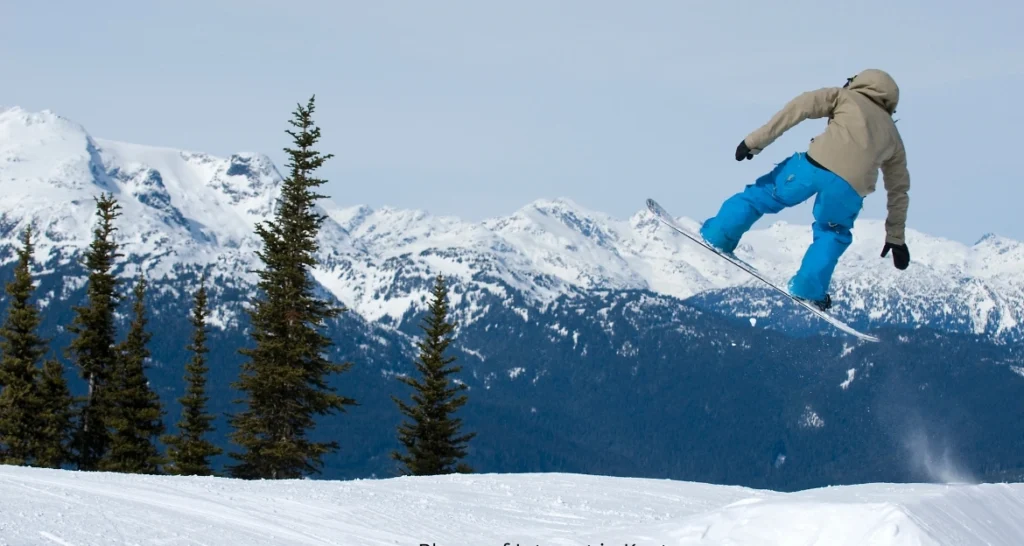
Best Places to Snowboard in Europe
Europe offers some of the best places to snowboard for riders who want high-altitude glaciers, long groomed descents, and mountain villages with serious après-ski culture.
Chamonix, France
Chamonix is regularly named among the best places to snowboard for extreme terrain and glacier riding.
- Best for: Extreme terrain and glacier riding
- Skill level: Advanced to expert
- Average snowfall: ~150 inches per year (plus glacier snowpack)
- Terrain: Off-piste couloirs, glaciers, and legendary big-mountain lines
- Lift system: Cable cars and gondolas
- Best run: Vallée Blanche
- Pros: World-class extreme terrain
- Cons: Serious avalanche risk, not beginner-friendly
Riders researching the best places to snowboard in this region consistently put Chamonix on their shortlist.
St. Anton, Austria
St. Anton is regularly named among the best places to snowboard for off-piste terrain and nightlife.
- Best for: Off-piste terrain and nightlife
- Skill level: Intermediate to expert
- Average snowfall: ~200 inches per year
- Terrain: Steep off-piste bowls connected to groomed runs
- Lift system: Modern cable car and gondola system
- Best run: Valluga
- Pros: Legendary off-piste access, lively village
- Cons: Limited beginner terrain near the top
Riders researching the best places to snowboard in this region consistently put St. Anton on their shortlist.
Verbier, Switzerland
Verbier is regularly named among the best places to snowboard for big-mountain freeriding.
- Best for: Big-mountain freeriding
- Skill level: Intermediate to expert
- Average snowfall: ~200 inches per year
- Terrain: Vast off-piste terrain across the 4 Vallées
- Lift system: Extensive cable car network
- Best run: Mont Fort
- Pros: Enormous connected terrain, strong freeride culture
- Cons: High cost, weather-dependent upper lifts
Riders researching the best places to snowboard in this region consistently put Verbier on their shortlist.
Zermatt, Switzerland
Zermatt is regularly named among the best places to snowboard for glacier riding and year-round snow.
- Best for: Glacier riding and year-round snow
- Skill level: All levels
- Average snowfall: ~150 inches per year plus glacier snowpack
- Terrain: High-altitude glacier runs with views of the Matterhorn
- Lift system: Cable cars up to nearly 12,800 feet
- Best run: Theodul Glacier run
- Pros: Reliable snow even in shoulder season
- Cons: Premium pricing
Riders researching the best places to snowboard in this region consistently put Zermatt on their shortlist.
Val d’Isère, France
Val d’Isère is regularly named among the best places to snowboard for long groomed runs and freeride zones.
- Best for: Long groomed runs and freeride zones
- Skill level: All levels
- Average snowfall: ~250 inches per year
- Terrain: Wide groomers connected to expert off-piste bowls
- Lift system: High-speed lift network
- Best run: La Face de Bellevarde
- Pros: Excellent snow reliability, huge connected terrain
- Cons: Can be expensive during peak weeks
Riders researching the best places to snowboard in this region consistently put Val d’Isère on their shortlist.
Laax, Switzerland
Laax is regularly named among the best places to snowboard for terrain parks and freestyle culture.
- Best for: Terrain parks and freestyle culture
- Skill level: All levels
- Average snowfall: ~200 inches per year
- Terrain: Multiple terrain parks plus wide groomers
- Lift system: Modern gondola network
- Best run: Crap Sogn Gion halfpipe run
- Pros: Some of Europe’s best terrain parks
- Cons: Lower elevation runs can suffer in warm spells
Riders researching the best places to snowboard in this region consistently put Laax on their shortlist.
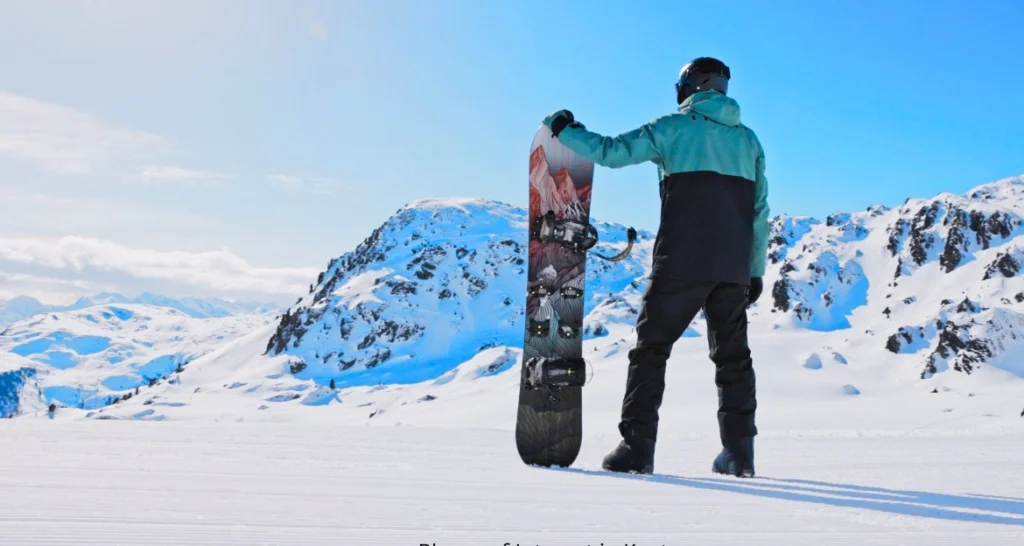
Best Places to Snowboard in Japan
For powder-obsessed riders, Japan is arguably the single best answer to where are the best places to snowboard worldwide. Cold air off Siberia collides with the Sea of Japan to produce astonishing volumes of light, dry snow.
Niseko, Hokkaido
Niseko is regularly named among the best places to snowboard for legendary powder and tree runs.
- Best for: Legendary powder and tree runs
- Skill level: All levels
- Average snowfall: ~590 inches per year
- Terrain: Wide-open groomers, backcountry gates, and dense tree runs
- Lift system: Modern lift network across four connected resorts
- Best run: Strawberry Fields
- Pros: Some of the most consistent powder on Earth
- Cons: Can get busy with international visitors
Riders researching the best places to snowboard in this region consistently put Niseko on their shortlist.
Hakuba Valley, Nagano
Hakuba Valley is regularly named among the best places to snowboard for terrain variety and big-mountain lines.
- Best for: Terrain variety and big-mountain lines
- Skill level: All levels
- Average snowfall: ~400 inches per year
- Terrain: Ten connected resorts ranging from mellow groomers to steep couloirs
- Lift system: Gondolas and modern lifts
- Best run: Happo-One’s upper bowls
- Pros: Huge variety across one valley, Olympic-caliber terrain
- Cons: Resorts are spread out, requiring a car or shuttle
Riders researching the best places to snowboard in this region consistently put Hakuba Valley on their shortlist.
Rusutsu, Hokkaido
Rusutsu is regularly named among the best places to snowboard for tree riding and quieter powder days.
- Best for: Tree riding and quieter powder days
- Skill level: Intermediate to advanced
- Average snowfall: ~450 inches per year
- Terrain: Dense birch forests ideal for tree riding
- Lift system: Gondola plus chairlifts across three peaks
- Best run: West Mountain tree runs
- Pros: Excellent tree riding with smaller crowds than Niseko
- Cons: Fewer dining and nightlife options
Riders researching the best places to snowboard in this region consistently put Rusutsu on their shortlist.
Furano, Hokkaido
Furano is regularly named among the best places to snowboard for dry powder and uncrowded groomers.
- Best for: Dry powder and uncrowded groomers
- Skill level: All levels
- Average snowfall: ~200 inches per year
- Terrain: Long, well-groomed runs with reliable powder days
- Lift system: Gondola and standard chairlifts
- Best run: Kitanomine zone
- Pros: Consistently light snow, low crowds
- Cons: Smaller nightlife scene than Niseko
Riders researching the best places to snowboard in this region consistently put Furano on their shortlist.
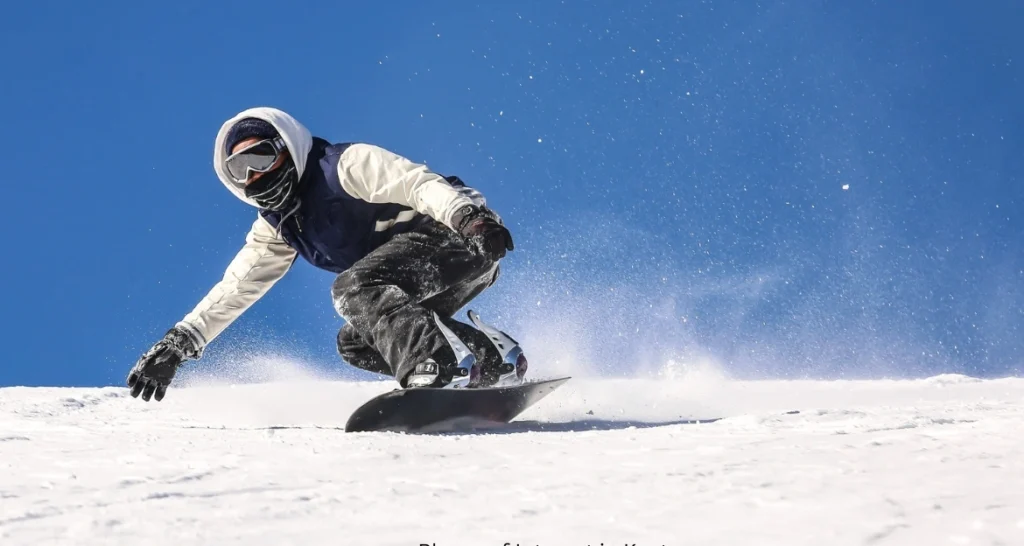
Best Places to Snowboard for Beginners
New riders should prioritize resorts with wide, gentle slopes, strong ski schools, and dedicated beginner zones away from faster traffic. Among the best places to snowboard for first-timers are Northstar in California, Brighton in Utah, Furano in Japan, and Lake Louise in Alberta — all of which combine mellow terrain with quality instruction.
- Wide, gentle slopes: Beginners need room to fall safely and progress at their own pace.
- Ski and snowboard schools: Certified instructors and structured lesson programs speed up learning.
- Gentle, consistent terrain: Groomed runs with predictable pitch build confidence faster than variable snow.
Best Places to Snowboard for Intermediate Riders
Intermediate riders benefit most from resorts that offer a mix of groomers, mellow tree runs, and small park features to practice on. Breckenridge, Whistler Blackcomb, Val d’Isère, and Hakuba Valley are among the best places to snowboard at this stage, since they let riders push into steeper terrain without committing to full expert lines.
Best Places to Snowboard for Advanced Riders
Advanced and expert riders look for backcountry access, steep bowls, technical chutes, and deep powder. Jackson Hole, Chamonix, Revelstoke, and Niseko’s backcountry gates rank among the best places to snowboard for riders chasing genuinely difficult terrain.
- Backcountry access: Gated terrain and cat/heli operations open up untouched powder.
- Bowls and chutes: Wide alpine bowls and narrow couloirs demand precise technique.
- Deep, reliable powder: Resorts like Niseko and Whitewater consistently deliver the deep snow experts want.
Best Terrain Parks for Snowboarders
Freestyle riders judge resorts by park quality as much as by natural terrain. Brighton, Mammoth Mountain, and Laax are consistently ranked among the best places to snowboard for park laps, thanks to well-shaped features and frequent maintenance.
- Rails and boxes: Look for progression lines with multiple difficulty levels.
- Jump lines: Well-built jump lines with consistent spacing reduce injury risk.
- Halfpipes: Superpipes at resorts like Mammoth and Laax are shaped regularly for competition-level riding.
Best Time to Visit the Best Places to Snowboard
Timing your trip affects everything from snow quality to crowd levels and pricing. Here’s a month-by-month breakdown to help you choose when to visit the best places to snowboard.
| Month | Conditions | Best For |
|---|---|---|
| November | Early season, limited terrain open | Budget trips, avoiding crowds |
| December | Building snowpack, holiday crowds | Festive atmosphere, family trips |
| January | Deep, cold, reliable powder | Powder-focused trips |
| February | Peak conditions, higher prices | Best overall snow quality |
| March | Long days, softer spring snow | Terrain park laps, warmer riding |
| April | Spring conditions at higher elevations | Bargain lift tickets, corn snow |
| May | Limited to high-altitude glacier resorts | Late-season glacier riding |
How to Snowboard
If you’re new to the sport, learning proper fundamentals early makes a huge difference in how quickly you progress — and it’s just as important as picking one of the best places to snowboard.
Beginner Basics
Start with a lesson rather than teaching yourself. A certified instructor will get you comfortable strapping in, standing up, and controlling your board far faster than trial and error.
First Lesson
Most beginners spend their first lesson on a gentle slope or in a dedicated learning zone, practicing skating, stopping, and basic turns before ever getting on a lift.
Balance
Keep your knees slightly bent and your weight centered over the board rather than leaning back, which is the most common beginner mistake.
Turning
Turns come from shifting weight between your toe edge and heel edge while looking in the direction you want to go.
Stopping
Practice heel-side and toe-side stops on gentle terrain until they become automatic before attempting steeper runs.
Safety Tips
Wear a helmet, know your limits, and stay aware of other riders — especially at busier best places to snowboard during peak season.
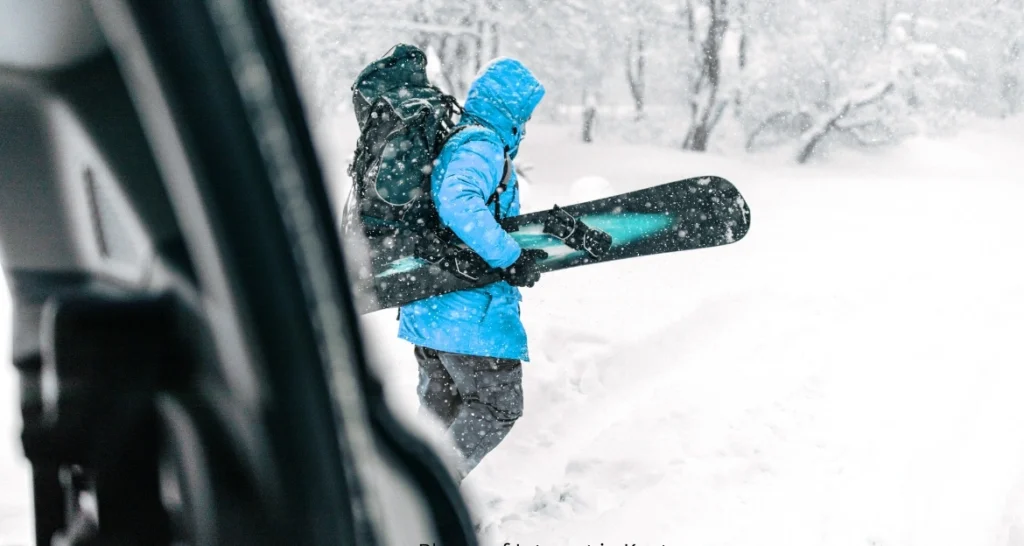
Best Snowboards
Choosing the right board matters as much as choosing the right resort. The best snowboards vary by riding style, so it helps to understand the main categories before you buy.
- All-mountain: Versatile boards that handle groomers, powder, and light park riding — a good starting point for most riders.
- Freestyle: Shorter, more flexible boards designed for parks, rails, and jumps.
- Powder: Wider, often directional boards with more nose float, ideal for the best places to snowboard for deep-snow days like Niseko or Whitewater.
- Splitboards: Boards that separate into two skis for backcountry touring, paired with climbing skins.
Snowboard Reviews
These snowboard reviews compare five well-established brands to help narrow your search.
| Brand | Known For | Best For |
|---|---|---|
| Burton | Broad lineup, reliable all-mountain boards | Riders wanting an all-purpose board |
| Lib Tech | Eco-conscious construction, playful flex | All-mountain and freestyle riders |
| Jones | Powder-focused, directional shapes | Backcountry and powder-specific riding |
| CAPiTA | Bold graphics, versatile park boards | Freestyle and park riders |
| Ride | Value-oriented, beginner-friendly boards | New riders and intermediate progression |
Snowboarding Boots Buying Guide
The right snowboarding boots affect comfort, control, and how quickly you can respond to terrain changes at any of the best places to snowboard you visit.
Snowboarding Boots
Boots should fit snugly with no dead space, but without pinching. A properly fitted boot is the single biggest factor in board control.
Women’s Black Snowboard Boots
Many riders search specifically for womens black snowboard boots for their versatile look and easy pairing with any outerwear. Beyond style, women’s-specific boots are built on a narrower last and softer flex suited to lighter body weights, which improves comfort and response.
Boot Flex
Soft-flex boots suit beginners and park riders, medium flex works for all-mountain riding, and stiff boots suit aggressive, high-speed carving.
Fit
Try boots on with the socks you’ll actually ride in, and shop later in the day when feet are slightly swollen for a more realistic fit.
BOA vs. Lace
BOA dial systems allow quick, precise micro-adjustments, while traditional laces offer a highly customizable fit at a lower price point.
Best Snowboard Jacket Buying Guide
A quality snowboard jacket keeps you dry and comfortable through long days at any of the best places to snowboard, especially in wetter coastal climates.
- Waterproof ratings: Look for at least 10,000mm for resort riding, and 20,000mm or higher for wet, coastal snow.
- Insulation: Insulated jackets suit colder, drier resorts; shell jackets paired with layers suit variable conditions.
- Breathability: A higher breathability rating prevents overheating during hikes to sidecountry terrain.
- Layers: A base layer, mid layer, and outer shell system adapts better than a single heavy jacket.
Planning Your Snowboarding Trip
Once you’ve picked from the best places to snowboard, a bit of planning goes a long way toward keeping the trip smooth and within budget.
- Flights: Book into the nearest major airport and compare shuttle versus rental car costs for the final leg.
- Accommodation: Slopeside lodging costs more but saves time; off-site options are often significantly cheaper with a short shuttle ride.
- Lift tickets: Multi-resort passes like Epic and Ikon can cut costs significantly if you’re visiting several of the best places to snowboard in one season.
- Resort passes: Buying lift tickets online in advance is almost always cheaper than walk-up window pricing.
- Packing list: Helmet, goggles, base layers, gloves, neck gaiter, sunscreen, and a small backpack for essentials.
- Travel insurance: Look for coverage that includes winter sports injuries specifically, since many standard policies exclude them.
- Budget: Factor in lift tickets, lodging, food, gear rental or transport, and lessons if you’re a beginner.
Snowboarding Safety Tips
Even at the best places to snowboard, safety should come first.
- Helmet: Wear one every time, regardless of skill level.
- Avalanche gear: If you’re riding backcountry or sidecountry terrain, carry a beacon, probe, and shovel — and know how to use them.
- Weather: Check avalanche and weather forecasts before heading into ungroomed terrain.
- Resort rules: Respect trail closures and ropes; they’re marking real hazards, not just suggestions.
- Emergency contacts: Save ski patrol’s number and know the nearest emergency meeting point before you ride.
Top Resort Comparison
A quick side-by-side of some of the best places to snowboard covered in this guide.
| Resort | Country | Skill Level | Snowfall | Best For |
|---|---|---|---|---|
| Niseko | Japan | All levels | ~590 in | Deep, reliable powder |
| Whistler Blackcomb | Canada | All levels | ~470 in | Terrain variety |
| Snowbird | USA | Int. to expert | ~500 in | Steep, dry powder |
| Jackson Hole | USA | Adv. to expert | ~450 in | Extreme terrain |
| Verbier | Switzerland | Int. to expert | ~200 in | Big-mountain freeriding |
| Laax | Switzerland | All levels | ~200 in | Terrain parks |
Snowboarding Gear Checklist
| Category | Essentials |
|---|---|
| Outerwear | Snowboard jacket, waterproof pants, gloves or mittens |
| Base layers | Moisture-wicking top and bottom |
| Protection | Helmet, goggles, wrist guards (beginners) |
| Footwear | Snowboarding boots, warm socks |
| Board setup | Snowboard, bindings, leash |
| Extras | Sunscreen, neck gaiter, hand warmers, small backpack |
Conclusion
There’s no single answer to the best places to snowboard — the right destination depends on your skill level, budget, and what kind of riding gets you excited. Beginners will do best at forgiving resorts like Northstar or Furano, while advanced riders chasing deep powder and steep lines should look at Niseko, Jackson Hole, or Chamonix. Intermediate riders have the most freedom, with resorts like Whistler Blackcomb and Hakuba Valley offering room to grow.
Whichever of the best places to snowboard you choose, a great trip comes down to more than just the terrain. Investing in properly fitted snowboarding boots, a reliable snowboard jacket, and a board suited to your riding style will shape your experience just as much as the resort itself. Take the time to compare resorts, check snowfall history, and book lift tickets and lodging early — the best snow years reward the riders who planned.
Start narrowing down your shortlist, check the season’s snow forecasts, and get ready to explore some of the best places to snowboard this winter.
FAQs
1. What are the best places to snowboard in the world?
Ans: Among the best places to snowboard worldwide are Niseko in Japan, Whistler Blackcomb in Canada, Jackson Hole in the USA, and Verbier in Switzerland, each known for deep snow, varied terrain, or standout terrain parks.
2. Which U.S. resort is best for beginners?
Ans: Northstar in California and Brighton in Utah are among the best places to snowboard for beginners, thanks to wide groomers, strong ski schools, and dedicated learning zones.
3. Is Canada better than the USA for snowboarding?
Ans: Both countries rank among the best places to snowboard. Canada tends to offer deeper coastal powder at resorts like Whistler, while the USA has more resort variety and generally easier access from major cities.
4. Which snowboard resort has the deepest powder?
Ans: Niseko in Japan receives roughly 590 inches of snow annually, making it one of the best places to snowboard for consistent, deep powder.
5. What is the best month for snowboarding?
Ans: January and February typically offer the deepest, most reliable snowpack, making them the strongest months to visit the best places to snowboard for powder-focused trips.
6. What snowboard should beginners buy?
Ans: Beginners generally do best with a soft-flex, all-mountain board, which forgives mistakes while still working well on groomers at most of the best places to snowboard.
7. Are women’s snowboard boots different?
Ans: Yes. Women’s boots, including popular womens black snowboard boots, are typically built on a narrower last with a softer flex suited to lighter body weights.
8. How much does a snowboard trip cost?
Ans: Costs vary widely by destination, but a multi-day trip to one of the best places to snowboard typically includes lift tickets, lodging, gear rental or transport, and food, with budget options available at smaller resorts.