

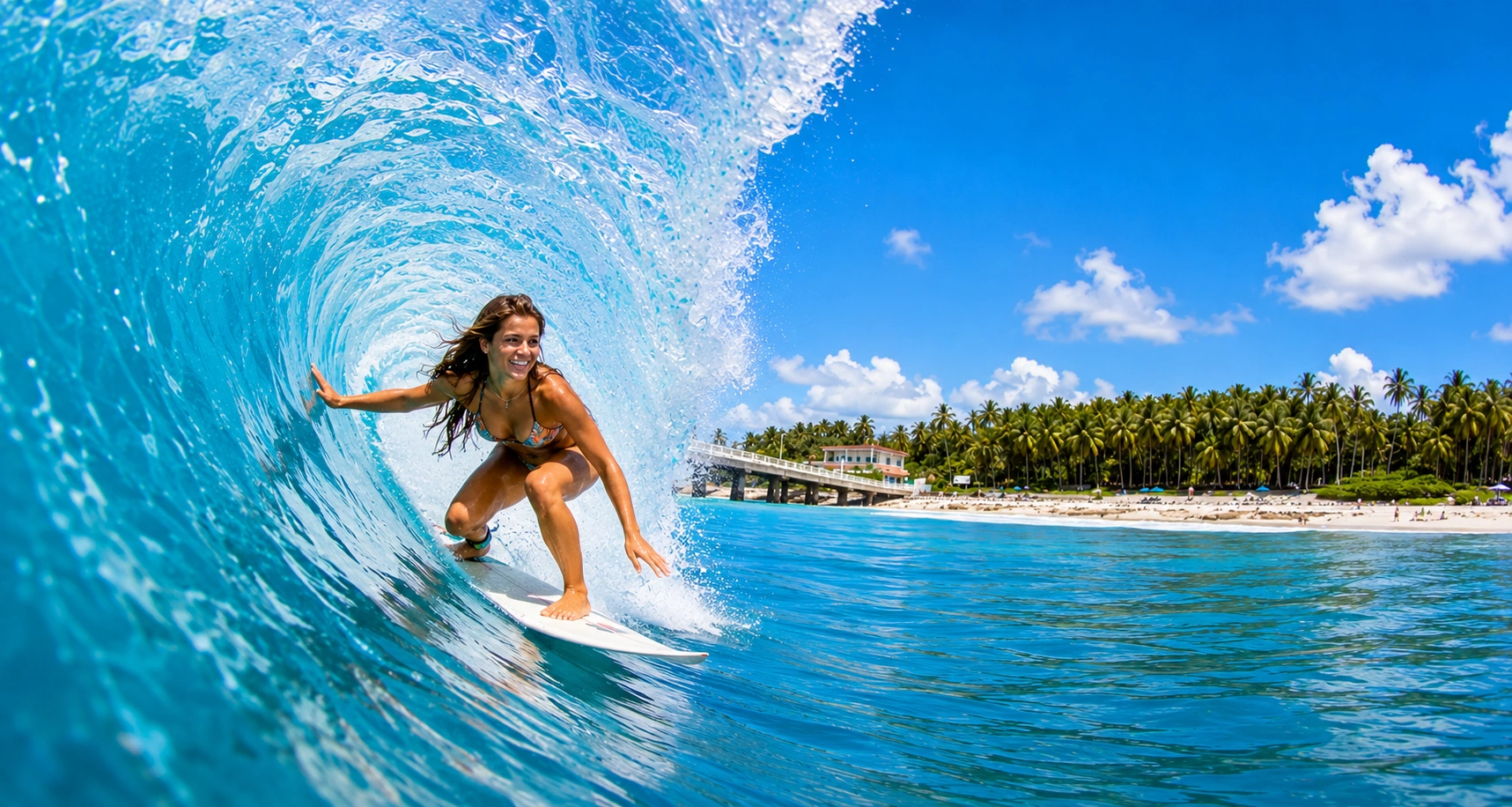
There is a kind of quiet that hits you right as you crest the hill into Torquay, salt in the air, a distant thump of whitewash, that undeniable pull towards the water. If you’ve ever wondered where to go to chase that feeling, you’re about to find out. Victoria’s coastline is littered with world-class surf beaches, gentle beginner-friendly breaks and the kind of heavy, reef-bottomed waves that established Australia’s surfing reputation in the first place.
But this isn’t a list of “top beaches” that is just a map. It’s a living guide to the coast that locals actually talk about, where to go if you’re a nervous beginner, where to go if you’ve been surfing for 20 years and want a real adrenaline rush, and where to go if you just want to watch pros carving a wave while you sip a coffee on the cliff. And if you’re planning a weekend on the Great Ocean Road or a longer coastal escape, this guide to Victoria’s best surf beach spots will point you to the right wave, at the right tide and at the right place, for you, at the right time.
Why Victoria’s Coastline Is a Surfer’s Paradise
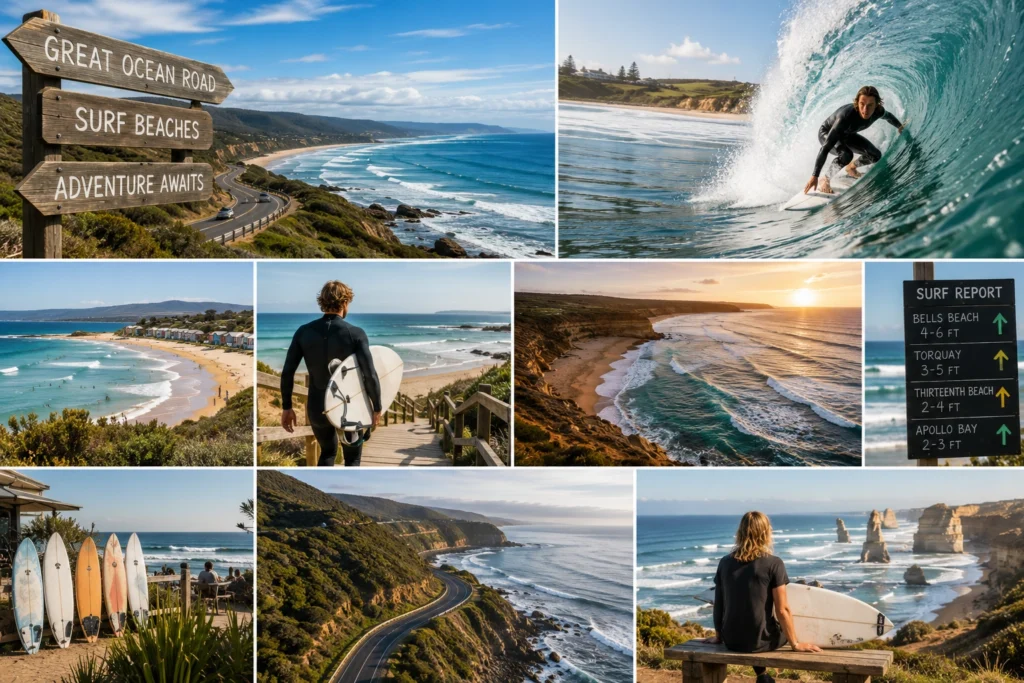
Victoria doesn’t have the glossy postcard status Queensland or New South Wales do, and truthfully, that’s part of the appeal. The Surf Beach Victoria community is tight-knit, unpretentious and deeply proud of a coastline that includes Bells Beach, the birthplace of professional surfing in Australia and the longest continuously running surf contest on the planet.
What makes this stretch of coast so special is not just one iconic break. It’s the sheer variety packed into a relatively short drive from Melbourne. You can start your morning on a mellow beach break perfect for beach waves that barely reach waist height and by afternoon be watching seasoned surfers duck-dive into a world-famous reef break twenty minutes down the road. Add dramatic limestone cliffs, temperate rainforest, and some of the best fish and chips in the country and you’ve got a surf beach trip that’s as much about the journey as it is about the waves themselves.
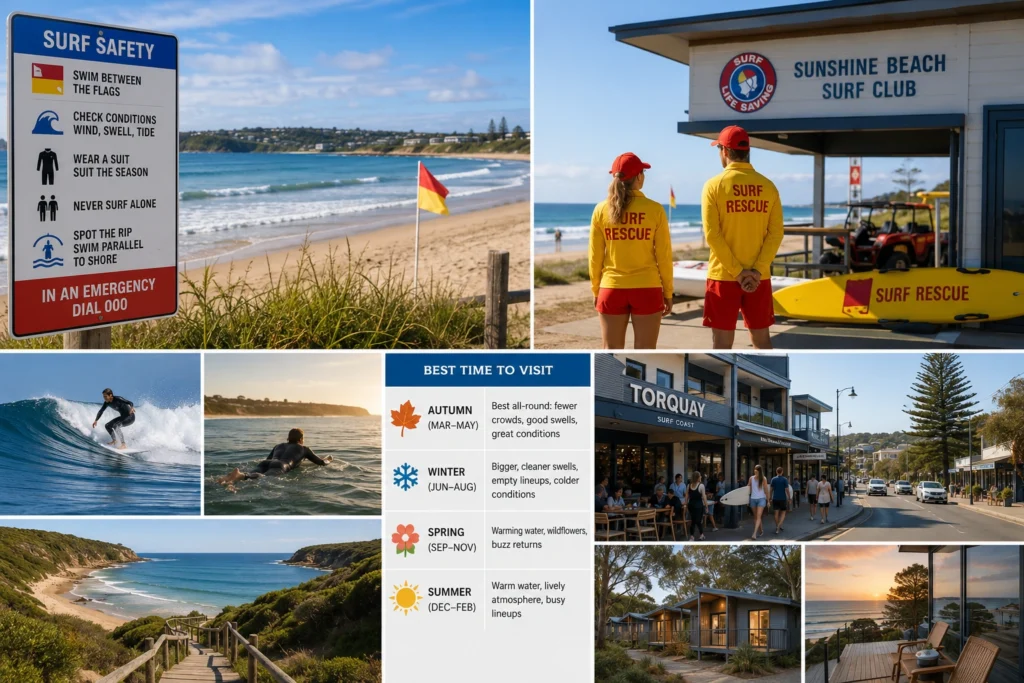
Autumn brings the largest, cleanest swells and the emptiest lineups. Winter rewards those who can rug up with quiet beaches and world-class conditions. Spring is yellow with canola and warms the water just enough to make paddling out feel good again. Summer is loud, crowded and wholeheartedly alive; every surf beach car park, every esplanade café is bustling.
How to Choose the Right Surf Beach for Your Skill Level
Before we get into the list, a quick reality check: not every surf beach suits every surfer, and picking the wrong spot on the wrong day is how good holidays turn into hospital visits. What to weigh up:
- Wave type: beach breaks are forgiving and move with the sandbanks; reef and point breaks are more powerful, more consistent and far less forgiving of mistakes.
- Crowd factor: iconic locations like Bells Beach get packed on good days. If you’re still finding your feet, a quieter surf beach with fewer egos in the water is a better starting point.
- Local knowledge: rips, submerged rocks and sudden depth changes are common along this coast. Always consult a local surf shop or lifeguard before paddling out somewhere new.
- Swell and wind direction: A break that is firing on a south-westerly swell can be flat and useless the next day. Check the forecast, not only the map.
With that in mind, here are the 15 surf beach locations that are worth building your Victorian coastal trip around.
1. Bells Beach: The Icon You Have to Surf at Least Once
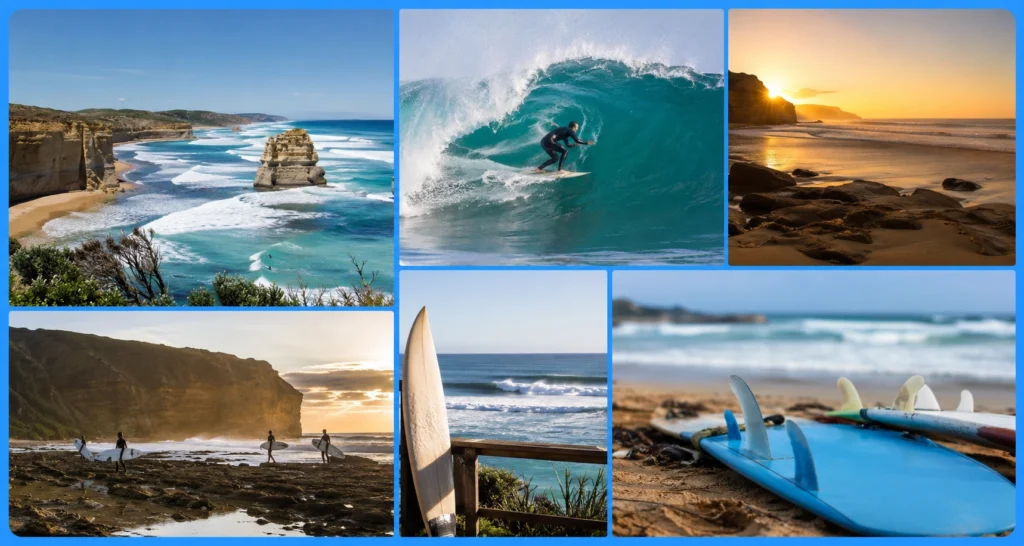
No list of Victoria’s surf spots is complete without Bells. This is the biggest surf beach in the entire country and home to the Rip Curl Pro and a wave that has tested the best surfers in the world since the early 1960s. The point break here is big, long, strong, and best suited to intermediate-to-advanced surfers who can handle a heavier drop and fast wall.
Even if you’re not paddling out, it’s worth the short walk down from the car park just to watch. There is a reason this coastline is a part of the identity of the entire Surf Coast region as a whole.
Best for: Advanced surfers and spectators
Best swell direction: South-west
2. Winkipop: Bells’ Punchy Neighbour
Winkipop (or “Winki” to locals) is a faster, punchier right-hander that often creates bigger swells than Bells itself. It’s a serious surf beach for serious surfers; the takeoff is quick, the waves are hollow, and there’s not much room for hesitation.
If you’re seeking that classic Surf Coast energy without the crowds that gather at Bells on a good day, Winki is worth the short walk along the cliff track.
Best for: Advanced surfers
Best swell direction: South-west to south
3. Jan Juc Beach: The Local’s Learning Ground
Jan Juc is right next to Torquay and is where a lot of local kids learned to surf. It’s a consistent sandy-bottomed surf beach with banks that suit everyone from wobbly beginners to surfers looking to sharpen their turns before tackling something heavier down the road.
The southern end, known as Southside, picks up more swell and attracts a more experienced crowd, while the main beach stays gentler and more forgiving.
Best for: Beginners to intermediates
Best swell direction: South-west
4. Torquay Point (Point Danger): Small Waves, Big History
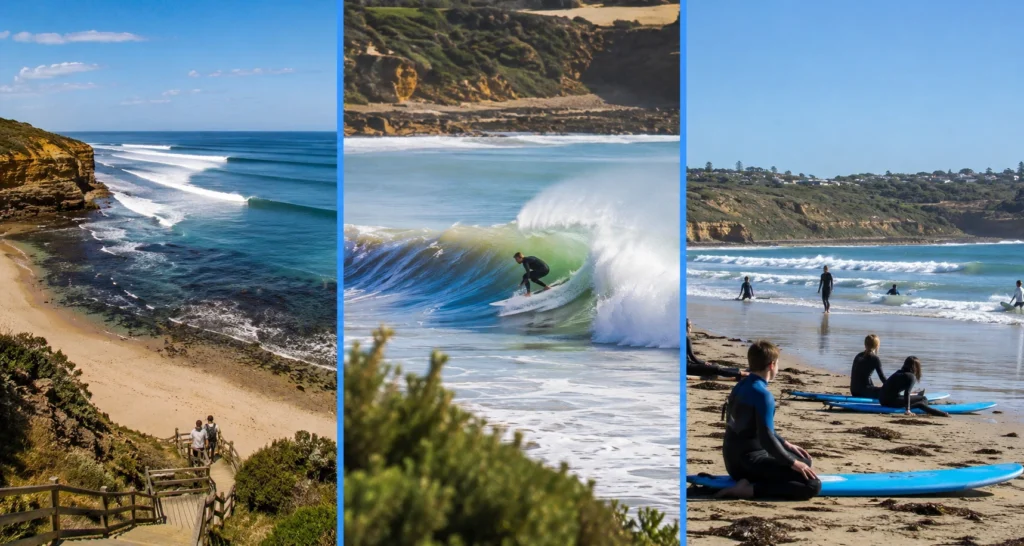
Point Danger is located in the heart of Torquay township and is a low-key surf beach that seldom gets huge, but it’s steeped in surf culture – this is where Australia’s surf industry took root. It’s a place to put a longboard on the ground and cruise some gentle beach waves without driving anywhere.
It’s also home to the Australian National Surfing Museum, so if the waves are flat, you can still get your surf culture fix indoors.
Best for: Beginners and longboarders
Best swell direction: South to south-west
5. Point Impossible: The Naturist’s Quiet Escape
A little further from Torquay, Point Impossible is a lesser-known surf beach that rewards those who want to walk a bit further from the car. The wave here is a right-hand point break that works well on a smaller swell, making it a good backup option when the bigger spots are blown out or overcrowded.
It’s also popular with vanlifers who like to park up and watch the sunset over an uncrowded lineup.
Best for: Intermediate surfers seeking solitude
Best swell direction: South-west
6. Point Roadknight: Anglesea’s Family-Friendly Break
Anglesea’s Point Roadknight is one of the most approachable surf beaches on this entire stretch. It’s sheltered, relatively gentle and popular with families and beginner surfers who want to build confidence before heading somewhere more exposed.
The surrounding cliffside walking tracks are good enough to make it a half-day trip even if you have only one person in your group surfing.
Best for: Families and absolute beginners
Best swell direction: South
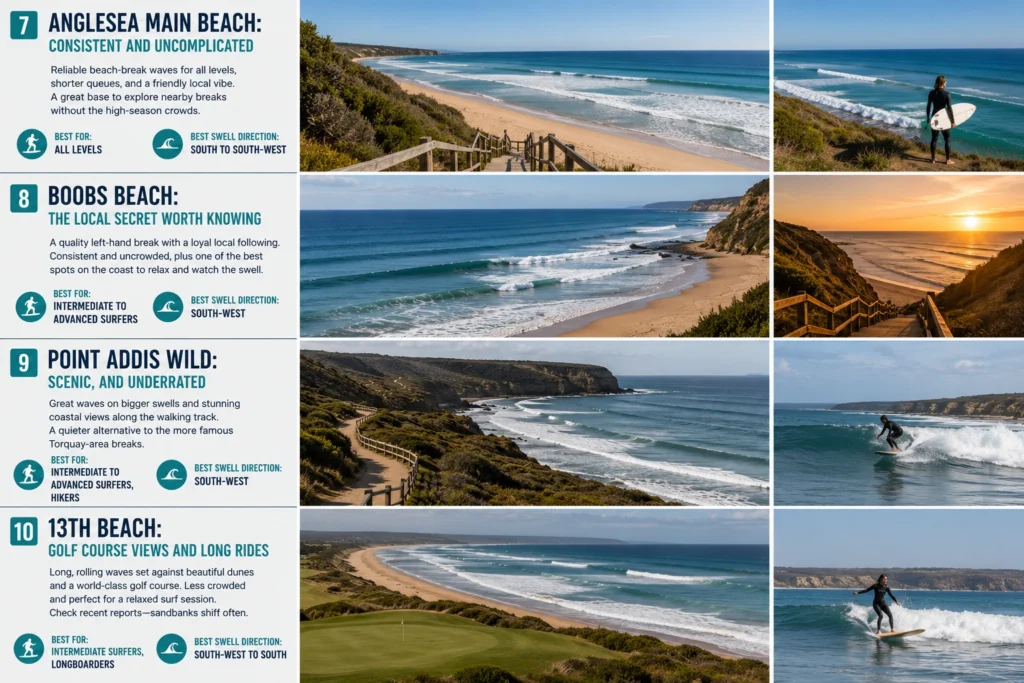
7. Anglesea Main Beach: Consistent and Uncomplicated
Anglesea’s main surf beach stretch offers reliable beach-break waves that work across a range of swell sizes. It’s less famous than Bells or Winki, but that’s exactly the point, you’ll frequently find shorter queues and friendlier vibes in the water.
In fact, it is also a good town to base yourself in if you want a lot of breaks without Torquay accommodation costing more than Torquay during peak season.
Best for: All levels
Best swell direction: South to south-west
8. Boobs Beach: The Local Secret Worth Knowing
Ask any Surf Coast local about their favorite lesser-known surf beach, and Boobs comes up more than you’d expect. It’s a left-hand break with a loyal following, tucked away enough that it doesn’t draw the tourist crowds and it’s consistent enough to be worth a detour on the right swell.
At low tide, the beach under the cliffs here is also one of the best quiet spots on the coast to simply sit, read, and watch the swell roll in.
Best for: Intermediate to advanced surfers
Best swell direction: South-west
9. Point Addis Wild: Scenic, and Underrated
Point Addis combines a genuinely wonderful surf beach setting with a wave that is good for bigger swells. The coastline walking track that runs along shore offers some interesting clifftop views on the Surf Coast, so it’s a great place to visit even on a flat day.
So when it is a bit further off the main tourist trail, Point Addis tends to be quieter than the breaks closer to Torquay’s town centre.
Best for: Intermediate to advanced surfers, hikers
Best swell direction: South-west
10. 13th Beach: Golf Course Views and Long Rides
13th Beach, near Barwon Heads, offers a different flavour of surf beach experience— long, rolling beach waves set against rolling dunes and one of Victoria’s most beautiful golf courses. It’s less crowded than the Torquay strip and works well for surfers who prefer a slower-paced, more relaxed session.
The sandbanks here shift frequently, so we would certainly check recent reports before heading out, especially during big swell events.
Best for: Intermediate surfers, longboarders
Best swell direction: South-west to south
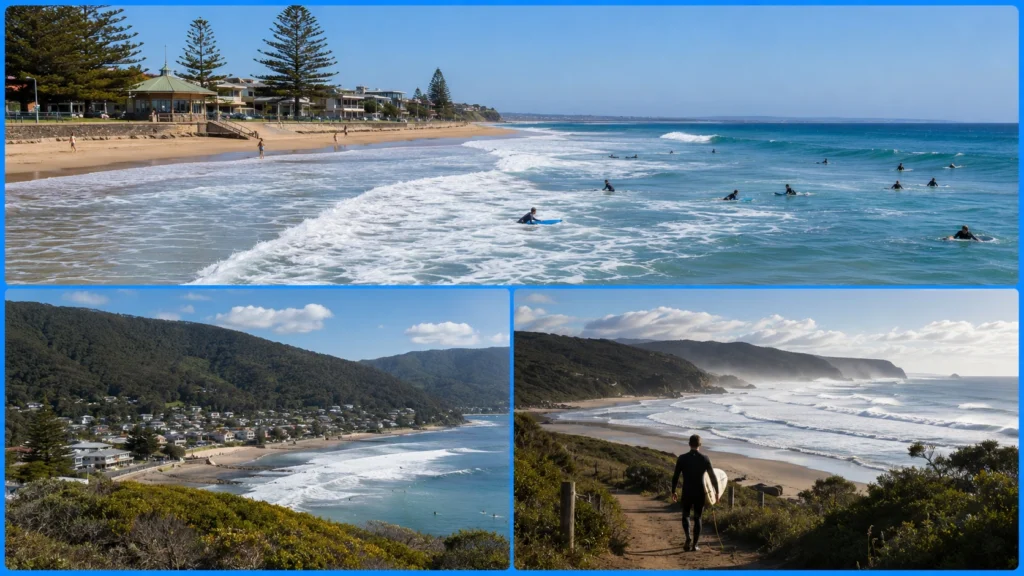
11. Ocean Grove Main Beach: The Underrated All-Rounder
Just across the Barwon River from Barwon Heads, Ocean Grove’s main surf beach is a genuine all-rounder. It treats a wide range of swell sizes, has a patrolled section during summer and offers a quieter small-town feel compared to the busier Torquay strip.
It’s a perfect place for a family trip for which not everyone in the group surfs, as there’s so much to do up and down the esplanade and in the wetlands too.
Best for: families, beginners, intermediates
Best swell direction: South to south-west
12. Lorne Point: Small Town, Big Charm
Lorne is better known for its art galleries, waterfalls and clifftop lookouts than its surf, but Lorne Point still delivers a good surf beach experience when the swell lines up. It’s a gentler wave than the Torquay breaks and is a good stop if you’re going to travel the entire Great Ocean Road and want to get in a quick run in between stops.
Pair a morning surf here with the short walk to Teddy’s Lookout for one of the best panoramic coastal views in the region.
Best for: beginners to intermediates
Best swell direction: South-west
13. Johanna Beach: The Wild Card for Bigger Swells
Further west on the Great Ocean Road, Johanna Beach is a large and open surf beach that gets more swell here than nearly anywhere else on this list. And it’s a favourite for experienced surfers chasing powerful beach waves, and there’s also a popular free camping spot for those road-tripping the full stretch to Port Campbell.
Because it’s so exposed, conditions can change quickly, so this is one to check carefully before committing.
Best for: Advanced surfers
Best swell direction: South-west to West
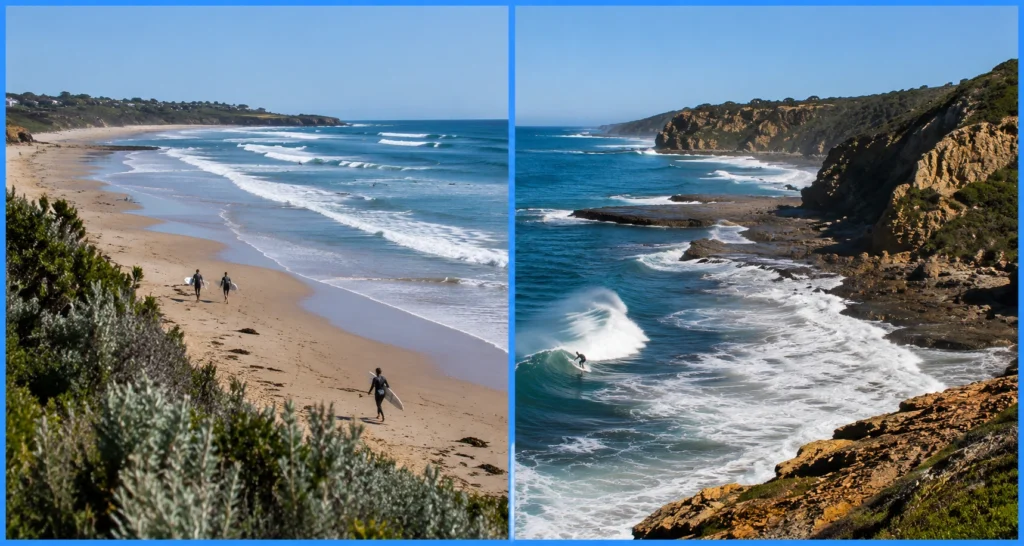
14. Southside (Jan Juc): Where Locals Warm Up
Southside deserves its own mention separate from the main Jan Juc stretch, because it almost acts as its own surf beach. It’s a slightly more powerful, faster-breaking wave that acts as a natural stepping stone between the gentle main beach and the heavier breaks like Winki and Bells further along the coast.
Many Torquay locals use Southside as their go-to warm-up spot before deciding whether conditions are good enough to head to the bigger breaks.
Best for: Intermediate surfers
Best swell direction: South-west
15. Spout: For the Adventurous Surfer Who Wants to Explore
Spout is one of those places you only find out about from someone who already surfs the area, a rugged, less-signposted surf beach that rewards those willing to do a bit of homework. It’s not the place to learn, but for confident surfers wanting to escape the weekend crowds, it’s one of the more rewarding discoveries along the coast.
As with any lesser-known break, always check local conditions and, ideally, have someone who already knows how to get in and out.
Best for: Experienced, adventurous surfers
Best swell direction: South-west
Surf Safety: What Every Visitor Should Know Before Paddling Out
No surf beach guide is complete without a genuine safety reminder, because Victoria’s coastline, for all its beauty, includes powerful rips, cold water even in summer, and submerged rocks at several breaks. A few rules worth taking seriously:
- Always swim or surf between the flags at patrolled beaches during summer months.
- Check swell, wind, and tide forecasts before heading out, a spot that’s perfect at low tide can be dangerous at high tide, and vice versa.
- Wear a wetsuit appropriate to the season. Victorian water temperatures drop noticeably in winter, even when the air feels mild.
- Never surf alone at unpatrolled or unfamiliar breaks, especially reef or point breaks like Bells or Winki.
- Learn to spot a rip current, look for calmer, discoloured water moving steadily out to sea, and if caught in one, stay calm and swim parallel to shore.
It’s also worth noting that surf lifesaving culture runs deep across Australia, not just in Victoria. Clubs like the Sunshine Beach Surf Club up in Queensland have become nationally recognised for their training standards and community-first approach to beach safety, and that same spirit of vigilance and mutual care shows up at nearly every patrolled surf beach along the Victorian coast. It’s a good reminder that no matter which state you’re surfing in, respecting the ocean and the volunteers who watch over it is part of the culture, not an optional extra.
Best Time of Year to Visit Victoria’s Surf Beaches
Timing your trip well can be the difference between an unforgettable session and a frustrating, flat one.
- Autumn (March–May): Arguably the best all-round season. Crowds thin out, swells pick up, and the sunrises over the water are hard to beat.
- Winter (June–August): Bigger, cleaner swells and genuinely empty lineups, but you’ll need a thicker wetsuit and a tolerance for chilly mornings.
- Spring (September–November): Warming water, wildflowers along the Surf Coast Shire, and a noticeable buzz as the region wakes up from winter.
- Summer (December–February): Peak crowds, warm water, and the liveliest atmosphere, but also the busiest car parks and the most competitive lineups.
If you’re chasing a quieter surf beach experience with fewer people fighting over every wave, autumn and winter weekdays are your best bet. If you want the full festival energy of the Surf Coast in full swing, summer delivers that in spades.
Where to Stay Along Victoria’s Surf Coast
Torquay makes the most sense as a home base if you want walkable access to multiple breaks, good coffee, and easy day trips toward Anglesea and Lorne. Anglesea offers a slightly quieter, more family-friendly alternative with its own solid surf beach options right on the doorstep. For those doing the full Great Ocean Road loop, splitting nights between Lorne and Port Campbell lets you pair surfing with the region’s other headline attractions, like the Twelve Apostles and the Otways rainforest.
Whichever town you choose, book ahead for summer weekends, the whole coastline gets busy, and good accommodation near a decent surf beach disappears fast once the warm weather hits.
Final Thoughts
Victoria’s coastline doesn’t need to shout about itself, it simply delivers, break after break, from the internationally famous swell at Bells to the quiet, locals-only corners like Spout and Boobs. Whichever surf beach you choose first, the real magic of this coastline is how much range it offers within such a short drive: gentle learner waves in the morning, world-class barrels by afternoon, and a coastal drive in between that ranks among the best in the country.
Pack a wetsuit, check the forecast, and give yourself permission to explore a few different spots rather than committing to just one. That’s really the best way to understand why so many people fall completely in love with this stretch of coast, and why, once you’ve felt those beach waves roll beneath you here, it’s very hard to stay away.
FAQs
1. What is the best surf beach in Victoria for beginners?
Ans: Point Roadknight in Anglesea and the main stretch of Jan Juc Beach are widely considered the most beginner-friendly options, thanks to their gentler beach waves and more forgiving sandbanks compared to heavier breaks like Bells or Winkipop.
2. Is Bells Beach good for beginners?
Ans: Not really. Bells is a powerful, fast-breaking point break best suited to intermediate and advanced surfers. Beginners are better off starting at a nearby beach break like Jan Juc before working their way up to Bells.
3. When is the best time to surf in Victoria?
Ans: Autumn generally offers the best combination of solid swell, manageable crowds, and pleasant weather, though winter delivers the biggest and cleanest waves for those willing to wear a thicker wetsuit.
4. Do I need a wetsuit to surf in Victoria year-round?
Ans: Yes. Even in summer, a spring suit or shorty is common, and in winter, most surfers wear a 4/3mm or thicker full wetsuit due to genuinely cold water temperatures.
5. How far is Torquay from Melbourne?
Ans: Torquay, the unofficial gateway to Victoria’s Surf Coast, is roughly 105 kilometres from Melbourne, making it an easy day trip or the ideal first stop on a longer Great Ocean Road journey.
6. Are there lifeguards at Victoria’s surf beaches?
Ans: Major beaches like Torquay, Anglesea, and Ocean Grove are patrolled during the summer season, but many of the more remote breaks, including Point Addis and Johanna Beach, are unpatrolled, so extra caution is essential.