You step off the T at Park Street, coffee in hand, and there it is: a red line set into the sidewalk, running off between office workers and pigeons like a ribbon someone dropped and forgot to pick up. Follow it. That line pulls you past the gold-domed State House from 1795, three burying grounds where the people who lit the American Revolution rest under crooked slate, and a wooden house older than the country itself. The Freedom Trail, which Boston locals walk past every morning, is one of the strangest history lessons in America, and one of the cheapest.
But “cheap” and “worth it” aren’t the same thing, and Boston is already testing your wallet. So let’s answer the real question honestly, with actual prices, real crowd intel and the details the glossy tourism pages skip.
Quick Answer
Yes, the Freedom Trail Boston is worth it. Here’s the short version: walking the 2.5-mile trail is completely free, and for most visitors that free self-guided walk is the sweet spot. You pay only if you want a costumed guide (around $17 for the 90-minute Foundation tour) or if you go inside the handful of sites that charge admission (roughly $6 to $15 each). Budget $0 to $40 per person, depending on how deep you go.
Skip the paid guided tour if you’re on a tight budget or traveling with restless kids. Use a free audio tour instead, and pay to enter one or two interior sites that actually interest you.
Key Takeaways
- The trail itself costs nothing. You can walk past all 16 sites without paying a dollar.
- A Freedom Trail Boston tour with a period-costumed guide costs about $17 for adults, $15 for students, seniors and military, and $8 for kids aged 6 to 12.
- Only three or four sites charge to go inside. Everything else, including the USS Constitution and Bunker Hill Monument, is free.
- The National Park Service offers a genuinely free audio tour through its app, in English, Spanish and French.
- Plan on 90 minutes to walk it fast, half a day to do it properly, and a full weekend if you’re the type who reads every plaque.
What Is the Freedom Trail in Boston?
The Freedom Trail Boston is a 2.5-mile walking route marked by a red brick (and in places painted) line set into the city’s sidewalks. It links 16 historic sites tied to the American Revolution and early United States history, starting at Boston Common and ending at the Bunker Hill Monument across the river in Charlestown.

Think of it less as a museum and more as a scavenger hunt through a working city. One minute you’re standing where the Boston Massacre happened; the next you’re queuing for a cannoli in the North End, because the trail runs right through the neighborhood’s best pastry blocks. The Old Corner Bookstore, once the beating heart of American publishing, now houses a fast-food chain. That mix of the sacred and the ordinary is the whole charm.
The 16 official stops:
- Boston Common
- Massachusetts State House
- Park Street Church
- Granary Burying Ground
- King’s Chapel and Burying Ground
- Benjamin Franklin statue / Boston Latin School site
- Old Corner Bookstore
- Old South Meeting House
- Old State House
- Boston Massacre Site
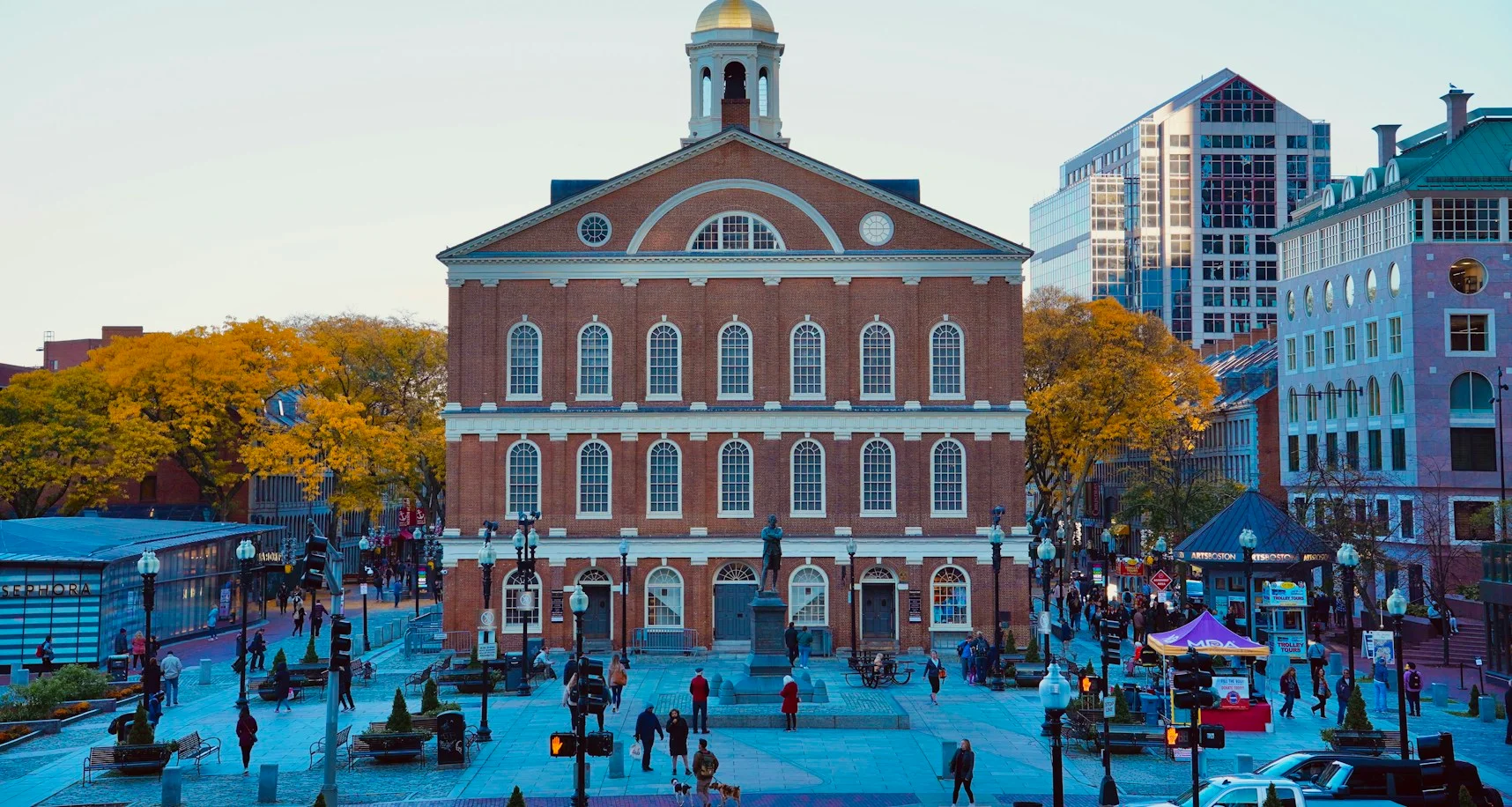
- Faneuil Hall
- Paul Revere House
- Old North Church
- Copp’s Hill Burying Ground
- USS Constitution
- Bunker Hill Monument
The route isn’t chronological, and it doesn’t loop back to where you started. It follows geography, so you finish in Charlestown and take the T or the ferry back.
How Long Is the Freedom Trail in Boston?
Here’s the honest breakdown, because “how long” has two meanings and most articles only answer one.
- Distance: 2.5 miles end to end.
- Time to walk it without stopping: about 90 minutes at a normal pace.
- Time to actually enjoy it: budget half a day. Every interior site you enter adds 20 to 40 minutes.
- Time to do everything: a full weekend, if you want to walk through each museum, climb the Bunker Hill Monument’s 294 steps and tour the USS Constitution.

Most people land in the middle. They walk the whole line, pop into two or three sites and call it four or five hours with a lunch break. If your legs give out on Boston’s cobblestones, pick up the trail the next day. Nobody checks tickets on the sidewalk.
One warning the brochures bury: the last stretch from the North End across to Charlestown is the longest gap between sites, and by then your feet will feel it. If you’re fading, that’s a fine place to stop, eat and save the USS Constitution for another visit.
What Will the Freedom Trail in Boston Cost You?
This is where people get confused, so let’s separate the free stuff from the paid stuff.
The trail: free
Walking the Freedom Trail Boston costs nothing. There’s no entry gate, no wristband and no ticket needed to follow the red line.
The free audio option
The National Park Service built a free self-guided audio tour. Download the NPS app, search for “Boston National Historical Park” and pick the self-guided tour. It’s available in English, Spanish and French. For a family of four, this alone saves you $40 or more compared with paid apps.
Paid audio apps
Third-party apps such as Action Tour Guide and Shaka Guide cost around $10 and often give you lifetime access, which matters if you’re returning or visiting Salem too. Reviewers like the storytelling but complain that the GPS audio cues don’t always trigger at the right spot.
The costumed guided tour
The official Freedom Trail Boston tour from the Freedom Trail Foundation is the “Walk Into History” tour. A guide in full 18th-century costume leads you about one mile past 11 of the 16 sites over 90 minutes.
Standard Freedom Trail Boston tickets for that tour:
- Adults: $17
- Students, seniors (65+), active military and veterans: $15
- Children aged 6 to 12: $8
- Children under 6: free
- Massachusetts EBT cardholders: $10, covering up to 3 additional household members
Tours run year-round, rain or shine, from the Boston Common Visitor Information Center at 139 Tremont Street. Public-tour tickets are non-refundable and there are no reservations, though you can buy tickets online ahead of time. Online slots do sell out on busy summer days, so book a morning tour the night before if you’re visiting in July. Web-only tours cap the group at 20 people, which is worth knowing if you hate straining to hear a guide over traffic.
The sites that charge admission
Most of the 16 stops are free to enter, including Faneuil Hall, the USS Constitution, Bunker Hill Monument, the State House and all the burying grounds. Only a few charge for interior access.
Current admission at the paid sites:
- Paul Revere House: $6 adults, $5.50 seniors and college students, $1 kids aged 5 to 17, free under 5
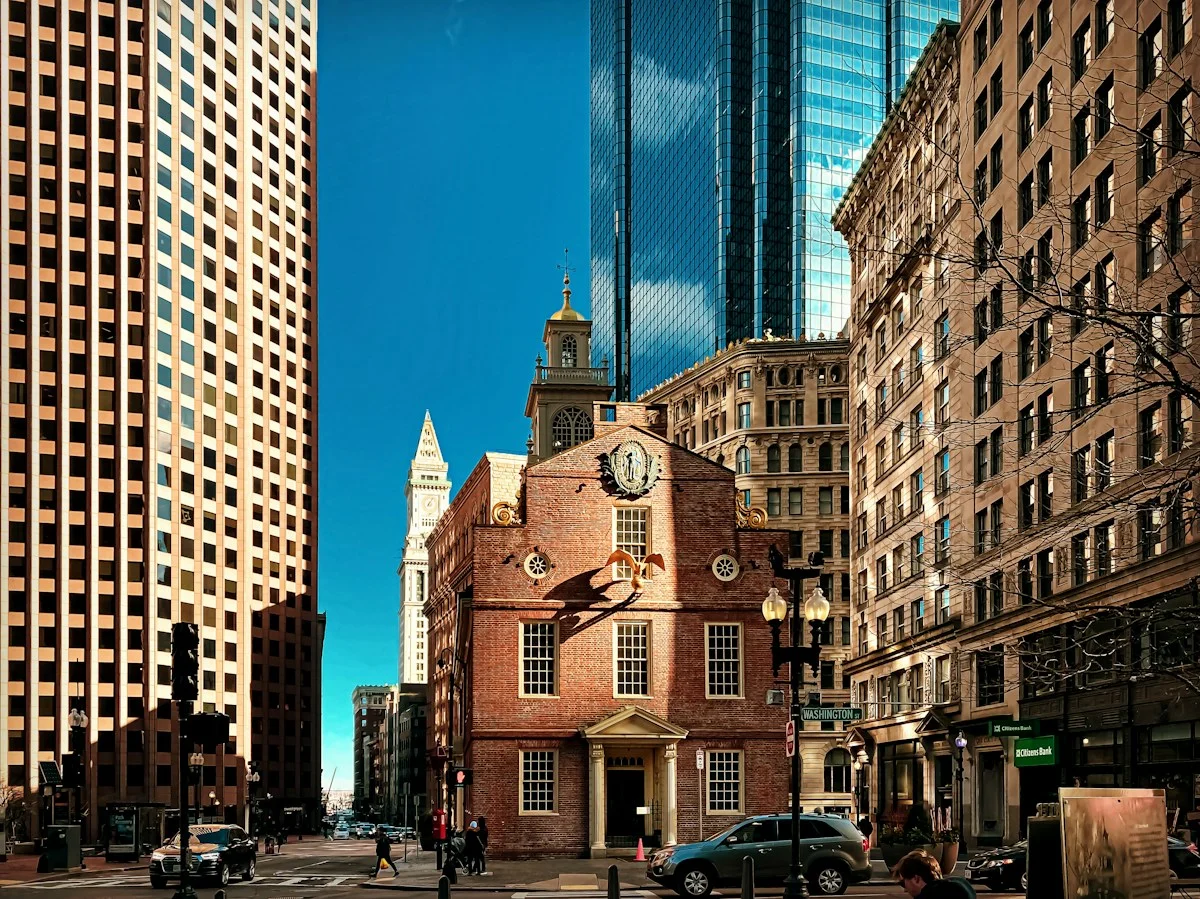
- Old State House + Old South Meeting House (one joint ticket through Revolutionary Spaces): $15 adults, $13 seniors and students, $8 kids aged 6 to 12
- Old North Church: admission by donation for the sanctuary, with paid behind-the-scenes tours available
Active military, veterans, Massachusetts EBT and WIC cardholders and Boston Public Schools students get free admission at the Revolutionary Spaces sites, so bring ID if that applies to you.
Options for Different Budgets
The $0 traveler. Walk the trail solo, play the free NPS audio tour in your earbuds and enter only the free sites. You’ll still see the USS Constitution, climb Bunker Hill and stand in Faneuil Hall. This is how most locals show visitors around, and you lose almost nothing.
The mid-range traveler. Add the $17 guided tour for the first half, then finish the second half on your own. A good guide’s stories about Samuel Adams and the Boston Massacre are worth the price if you’d rather be entertained than read placards.
The all-in traveler. If you plan to enter several interior sites, the Boston 250 Five Museum Pass costs $33 and covers Paul Revere House, Old North Church, Old State House, Old South Meeting House and King’s Chapel. Buying those tickets separately costs slightly more, so the pass pays off as soon as you commit to all five.
The attraction hopper. If the trail is one stop in a packed Boston itinerary with museums and a trolley ride, a Go City or GoBoston pass bundles the paid sites with 40-plus other attractions and can cut the total sharply. It’s worth it only if you’re cramming a lot into a few days.
Comparison Table: How to Do the Freedom Trail
| Option | Cost | Time | Best For |
|---|---|---|---|
| Self-guided, no audio | Free | 90 min to half a day | Independent walkers, tight budgets |
| Self-guided + free NPS audio | Free | Half a day | Families, most first-timers |
| Self-guided + paid app | ~$10 | Half a day | Storytelling fans who want their own pace |
| Foundation guided tour | ~$17 per adult | 90 min (11 sites) | People who want a live, costumed guide |
| Guided tour + interior sites | $30 to $50 | Full day | History buffs going deep |
| Five Museum Pass route | $33 pass | Full day | Anyone entering multiple sites |
Is the Boston Freedom Trail Worth It? The Honest Verdict
Yes, for almost everyone. But let’s be specific about why, because “it’s historic” isn’t a reason on its own.
It’s worth it because the density is remarkable. In one afternoon on foot, you cover ground that would take a full day of driving elsewhere. The sites aren’t reconstructions, either. Paul Revere lived in that house. The Boston Massacre happened on those cobblestones. That authenticity is rare in a country where so much history has been paved over.

Now for the honest caveats, because this is where most articles go quiet.
The middle stretch through downtown can feel underwhelming if you don’t go inside anything. Several sites are exteriors you glance at, not destinations. If you skip every paid interior and rush, you may finish thinking you took a long walk past some old buildings. The magic lives in the stories, so you need a guide, an audio tour or a couple of interior visits to unlock it.
Summer crowds are real. Around Faneuil Hall and the Paul Revere House in July, you’ll be shuffling. Go early, before 10 a.m., or visit in spring or fall, when the same trail feels half as busy and the weather cooperates.
Travelers on Tripadvisor and travel forums keep landing on the same split verdict. Self-guided walkers love the freedom to move at their own pace and skip what bores them, while guided-tour fans prefer being entertained and being able to ask a live person questions. One reviewer summed up the self-guided appeal simply, noting that they moved at their own pace and ducked into museums the crowds walked past. Neither camp is wrong. It comes down to whether you’d rather control the tempo or hand it to a storyteller.
Who Is This Best For?
- History lovers: an easy yes. You could spend two days here and not exhaust it. If you’re building a wider Revolutionary history trip, pair it with Independence Hall tours in Philadelphia.
- Families with kids: yes, with a plan. Free walking plus the $1 kids’ admission at Paul Revere House keeps costs down, and the burying grounds and the USS Constitution tend to hold children’s attention better than lecture-heavy museums.
- First-time Boston visitors: the single best orientation to the city. You’ll learn the neighborhoods while you learn the history.
- Budget backpackers: perfect. Few major American attractions give you this much for free.
- Mobility-limited travelers: mostly yes. The trail and the Foundation’s guided tours are wheelchair accessible, though a few historic interiors have steps. One guided-tour reviewer praised a guide who routed the whole group, including a wheelchair user, through accessible entrances without anyone feeling singled out.
Who might skip it? Anyone who dislikes walking, or a traveler with only three hours who would get more out of one deep museum visit than a rushed march past 16 sites.
Pros & Cons
Pros
- Free to walk, with a free official audio option too
- An extraordinary concentration of real, authentic historic sites
- Flexible: do it solo or guided, in one day or across two
- Runs straight through the North End’s food scene and Faneuil Hall
- Wheelchair-accessible route and guided tours
Cons
- Underwhelming if you rush past everything without going inside or listening to a guide
- Summer crowds bunch up at the popular North End stops
- 2.5 miles on cobblestones is tougher on your feet than it sounds
- Guided-tour tickets are non-refundable and can sell out in peak season
- Paid admissions add up if you try to enter everything without a pass
Insider Tips
- Start early. A 9 a.m. start beats the tour buses and gives you Faneuil Hall before the lunch rush.
- Wear proper shoes. The cobblestones and 2.5 miles will punish flimsy sandals.
- Do it in reverse. Start at Bunker Hill in Charlestown and walk toward Boston Common. You’ll dodge the biggest downtown crowds and finish near the T and plenty of dinner options.
- Share the app. If you buy a paid audio tour as a couple, share one set of earbuds and split the cost.
- Bring your dog for the walk, not the buildings. Dogs are welcome on the sidewalks and Boston Common but not inside historic buildings or the burying grounds.
- Eat on the trail. The North End stretch puts you steps from Boston’s best Italian bakeries. Build a cannoli stop into the route rather than fighting hunger later.
Getting There & Accessibility
The Freedom Trail Boston starts at Boston Common, which you can reach on the MBTA’s Green, Red, Orange and Blue lines. Park Street station (Red and Green lines) drops you closest to the start.

Driving in is the expensive mistake. The Boston Common Garage at 0 Charles Street is the recommended lot, but parking isn’t validated, and downtown rates eat up any savings from a free trail. Take the T.
At the Charlestown end, catch the ferry back to Long Wharf rather than retracing the whole route on foot, a small mercy after Bunker Hill. The route is wheelchair accessible, and the Foundation’s tours accommodate mobility needs, though the oldest interiors have unavoidable stairs. Call ahead to a specific site if access is a concern.
Expert Recommendation
If I had one day and $20 in Boston, here’s what I’d do. Take the Red Line to Park Street by 9 a.m. and load the free NPS audio tour. Walk the trail south to north, paying $6 to enter Paul Revere House, because the interior is worth the ticket. Have lunch in the North End and finish for free at the USS Constitution. Total spend: $6 plus a cannoli.
If you love being told stories and have the budget, swap the free audio for the $17 costumed Freedom Trail Boston tour for the first half, then finish on your own. The guides earn their keep at the Boston Massacre site and the Granary Burying Ground.
The one thing I wouldn’t do is pay for a guide and then skip every interior. You’ll have heard the stories but seen none of the rooms where they happened. Balance the talking with a door or two you actually walk through.
Frequently Asked Questions
Q1. Is the Boston Freedom Trail worth it?
A. Yes. The trail packs 16 authentic Revolutionary-era sites into one free 2.5-mile walk, which is rare value for a major American city. Walk it for free with the NPS audio tour and pay only for the one or two interiors that interest you.
Q2. How long is the Freedom Trail in Boston?
A. It’s 2.5 miles long and takes about 90 minutes to walk without stopping. Add 20 to 40 minutes for each interior site you enter, so a proper visit takes half a day, and a thorough one can fill a weekend.
Q3. Do you need Freedom Trail Boston tickets to walk it?
A. No. Walking the red line past all 16 sites is free. You only need tickets for the guided Foundation tour or to enter the few sites that charge admission.
Q4. How much is a Freedom Trail Boston tour?
A. The official 90-minute Walk Into History tour costs about $17 for adults, $15 for students, seniors and military, and $8 for children aged 6 to 12. Kids under 6 go free.
Q5. Which Freedom Trail sites charge admission?
A. Only a handful. Paul Revere House costs about $6 for adults, the Old State House and Old South Meeting House share a $15 joint ticket, and Old North Church asks for a donation. Faneuil Hall, the USS Constitution, Bunker Hill Monument and the burying grounds are free.
Q6. What is the best time to walk the Freedom Trail?
A. Early morning in spring or fall. You beat the summer crowds that pile up around the North End, and the mild weather makes the 2.5-mile walk far more pleasant.
The Bottom Line
The Freedom Trail Boston earns its reputation, and it does so without demanding much from your wallet. Walk it for free, listen to a free audio guide and spend a few dollars only where the stories pull you inside. That’s the whole trick. The people who leave disappointed are almost always the ones who rushed a silent march past 16 buildings. The people who leave glowing gave the trail a chance to tell its stories, whether through a guide’s voice, an app or the doorway of a house that has stood since 1680.
Lace up something comfortable, start early and let a painted red line show you where a country began. Ready to plan the rest of your trip? Our guide to the best things to do in Boston covers what to see next, and our list of the best restaurants in Boston will handle where to eat once your feet recover.
Prices, tour times and admission fees change seasonally. Check current Freedom Trail Boston tickets and site hours on the official pages before you go.