

Here’s a number that stops most parents mid-scroll: $7,250. That’s roughly what a standard, no-frills week at Walt Disney World costs a family of four in 2026: hotel, tickets, food, nothing fancy. Now here’s a second number: $5,000. That’s not a consolation-prize budget. That’s enough to book five days in a cabin fifteen minutes from the most-visited national park in the country, feed everyone well, hike waterfalls, ride inner tubes down a river, and come home with actual cash left for the credit card statement.
Affordable family vacations don’t mean smaller memories; they mean smarter math. This guide breaks down exactly how far $5,000 goes when you point it at the Great Smoky Mountains instead of Orlando, what a real week looks like day by day, and where the other national parks fit if the Smokies aren’t calling your name. No brochure language. Just the numbers, the trade-offs, and the stuff nobody tells you until you’re standing in a parking line wondering where the budget went.

Quick Answer: How Far Does $5,000 Go for a US Family Trip?
For affordable family vacations, a family vacations of four can do a great five- to seven-day U.S. vacation for $3,500 to $5,000 by choosing a destination with free or low-cost natural attractions, and spending the savings on comfortable lodging and real food instead of theme-park admission. The Great Smoky Mountains National Park is the clearest example: it’s the only major national park with a zero entrance fee, it sits within driving distance of roughly a third of the U.S. population, and a well-planned trip there runs $1,500 to $2,500 less than a comparable week at Disney World.
Key Takeaways
- Great Smoky Mountains National Park charges no entrance fee; you’ll pay $5 to $15 for a parking tag instead of the $30-plus most parks charge per vehicle.
- A week at Walt Disney World for a family of four averages $7,250 in 2026, before flights in many estimates. A comparable national park trip lands closer to $3,800 to $4,800.
- Fourth graders get a free annual pass to every federal park and public land through the Every Kid Outdoors program, worth up to $80.
- Camping or renting a cabin instead of booking a resort hotel cuts lodging costs by 50 to 70%, the single biggest lever in any $5K trip.
- Affordable family vacations aren’t just “cheaper Disney.” National parks, budget beach towns, and drivable regional trips often score higher with families because there’s less waiting and more actual time together.
Who Is This Guide Best For?
This guide is built for families who want a real vacation, not a staycation, not a compromise, without financing it. If you’ve got kids ages 4 through 16, a willingness to drive instead of fly, and a preference for hiking boots over Mickey ears at least once a year, keep reading. If your kid has been counting down to Cinderella’s Castle since age three, we’ll get to Disney too, and we’ll tell you exactly how to do it without blowing past your number.
Why $5,000 Is the Number That Works for Affordable Family Vacations
I’ve watched enough family vacations trip budgets balloon to know where the money quietly disappears. It’s never the big line item everyone plans for. It’s the $14 chicken tenders on day three. The parking fee nobody budgeted. The “just one” souvenir that becomes four.
A $5,000 budget forces discipline in a good way. Split five ways (lodging, food, activities, transportation, and a buffer), it gives a family of four roughly:
- Lodging: $1,400 for a place to sleep
- Food: $1,000 for meals
- Activities and passes: $800
- Gas or flights: $1,200
- Buffer: $600 held back for the inevitable surprise
That’s not a shoestring trip. That’s a real one, and it’s exactly the math behind most of the affordable family vacations worth taking seriously this year. The trick is picking a destination where the scenery is doing the heavy lifting instead of a ticket booth. Which is why national parks keep winning this comparison.
Great Smoky Mountains National Park: The Case Study Nobody Talks About
Here’s the fact that changes the entire conversation about affordable family vacations: Great Smoky Mountains National Park has never charged an entrance fee. When the park was assembled from private land in the 1930s, Tennessee attached a legal condition to the deed for Newfound Gap Road: no toll, ever, for travel through it.
Nearly a century later, that clause still holds. You’ll pay a modest parking tag ($5 for a day, $15 for a week, $40 annually) if you’re leaving your car anywhere longer than 15 minutes (see the official NPS fees page for current rates), and that’s the entire admission cost for a park that pulls in more than 12 million visitors a year, more than Yellowstone and Grand Canyon combined.
Where It Is and How You Get There
The park straddles the Tennessee–North Carolina border, roughly a three-hour drive from Atlanta, Nashville, or Charlotte, and reachable by a half-day drive from most of the Southeast and lower Midwest. Gatlinburg and Pigeon Forge sit on the Tennessee side and function as your basecamp: cabins, mini-golf, pancake houses, the works. Cherokee anchors the North Carolina side and tends to run quieter and slightly cheaper.
The Real Cost Breakdown (5 Nights, Family of 4)
- Cabin rental (sleeps 4–6): $150–$220/night in shoulder season, roughly $875–$1,100 total
- Parking tag: $15 for the week
- Groceries + two restaurant meals: around $700 for five days
- Activities (tubing, a horseback ride, one paid attraction like Ober Mountain): $400–$500
- Gas (regional drive): $150–$300
That’s a full week landing somewhere between $2,150 and $2,650, before you’ve touched a cent of the $5K ceiling. The leftover budget is exactly what lets you upgrade the cabin, add a rafting trip on the Pigeon River, or tack on two extra nights.
Don’t-Miss Spots Inside the Park
Skip the urge to drive everywhere in one day. The park rewards patience.
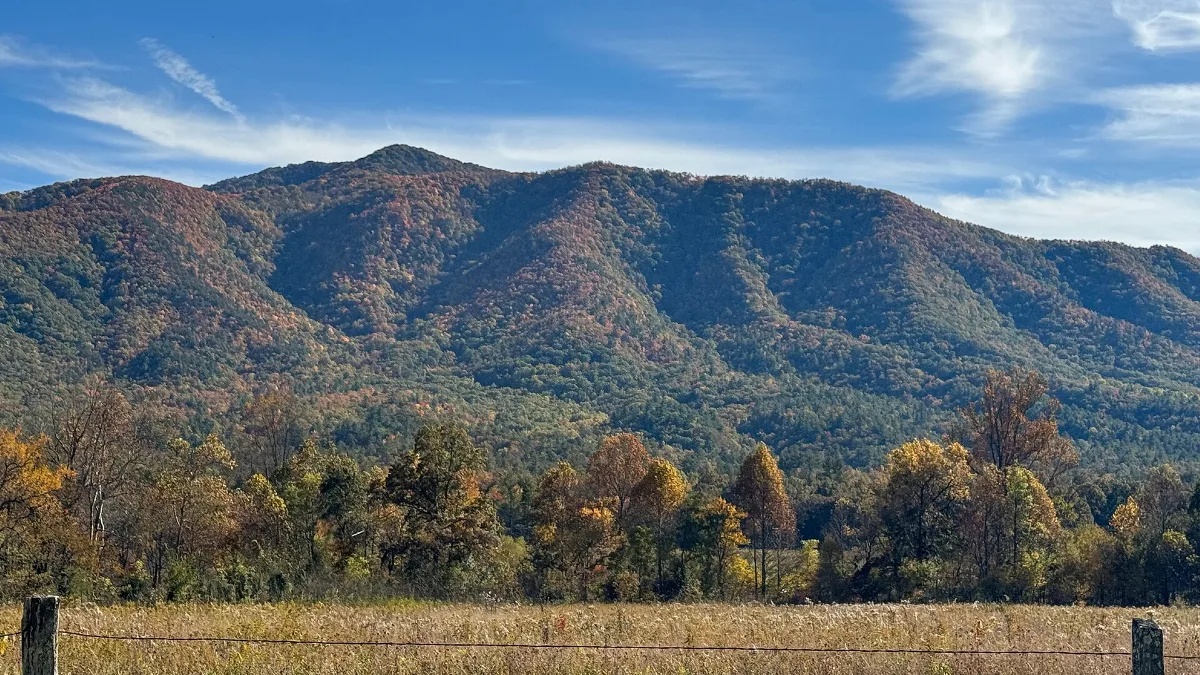
- Cades Cove: an 11-mile loop road through historic homesteads with the best wildlife odds in the park (bring binoculars; the elk and black bears don’t care about your schedule).
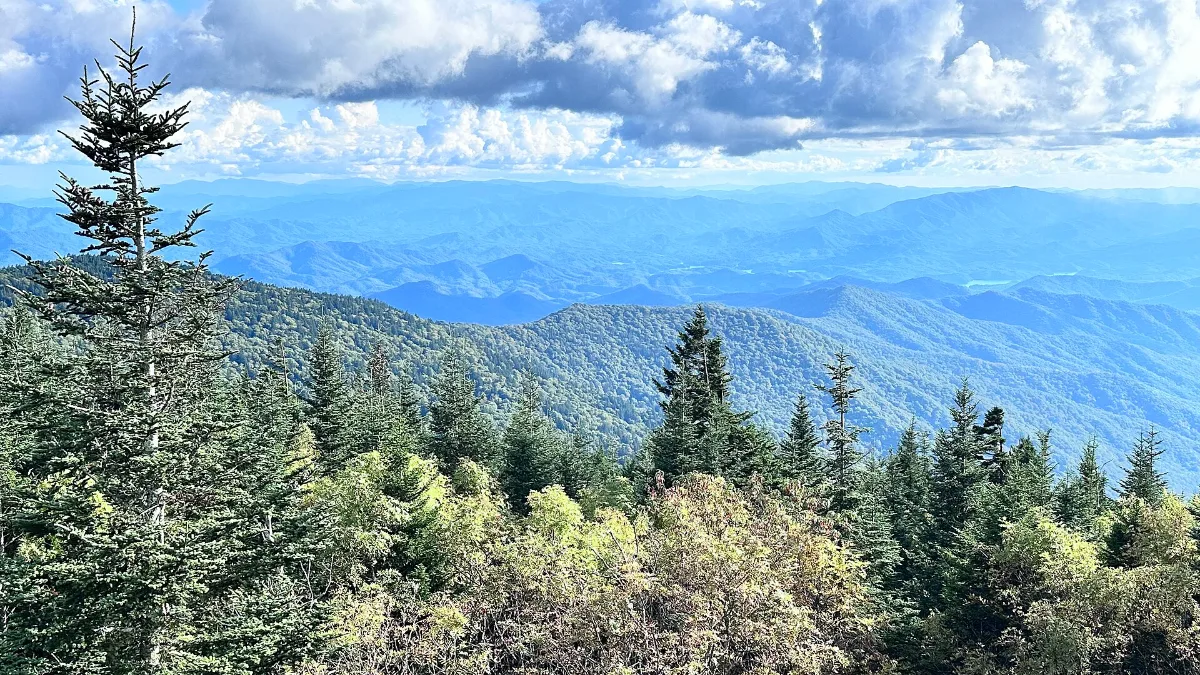
- Clingmans Dome (now officially Kuwohi): the highest point in the Smokies, a steep half-mile paved path to a 360-degree view worth the burning thighs.
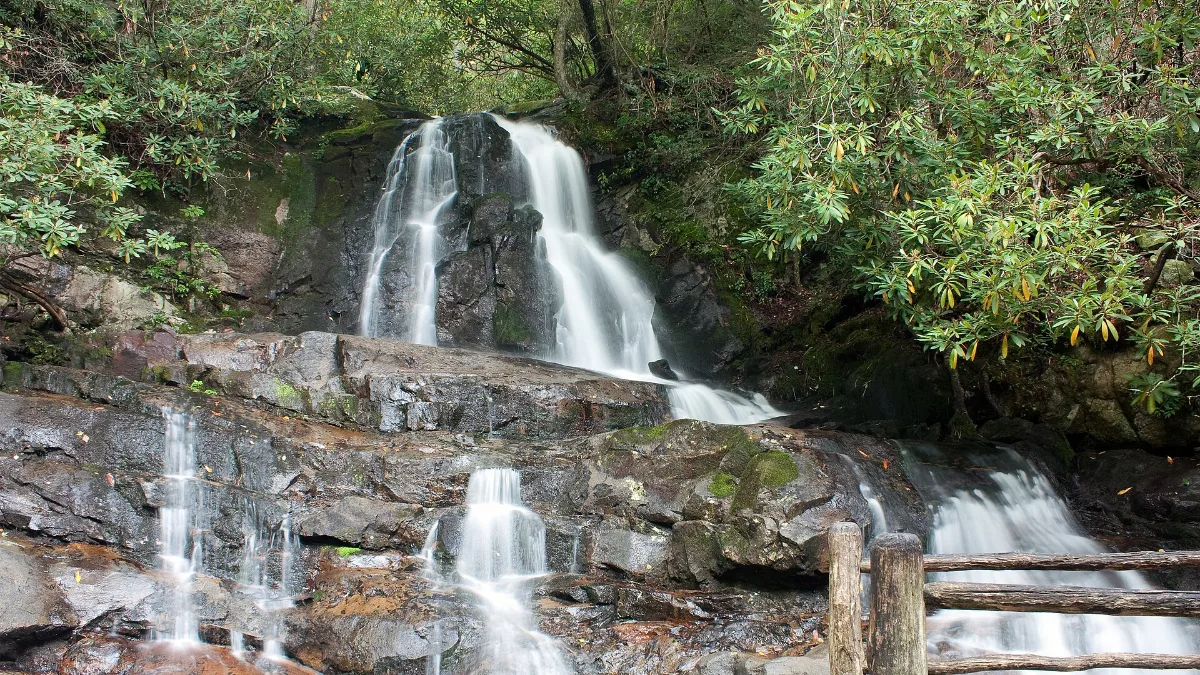
- Laurel Falls: a kid-manageable 2.6-mile round trip that ends at an 80-foot waterfall.
- Roaring Fork Motor Nature Trail: a one-way loop with old mill sites and historic cabins, quieter than Cades Cove.
Insider Tips That Matter
Get to Cades Cove before 9 a.m. or after 5 p.m.; midday traffic on that loop can turn a 45-minute drive into two hours. Skip Gatlinburg’s main strip for dinner on weekends; the wait times rival Disney’s. And sign every kid up for the Junior Ranger program at any visitor center; it’s cheap, it takes an afternoon, and it’s the kind of souvenir that doesn’t end up in a landfill in six months.
Accessibility and Timing
Most of the park’s marquee spots (Sugarlands Visitor Center, Cades Cove’s main pull-offs, and the Newfound Gap overlook) have paved or graded parking with accessible viewing areas, though many of the waterfall trails involve uneven, unpaved terrain that’s tough going with a wheelchair or a stroller. Call ahead to the visitor center if mobility is a concern; rangers are good about steering families toward the flatter options.
Plan on three full days minimum to see the park without rushing, or four if you want a real buffer for weather. Skip late June through early August if you can swing it; that stretch pairs peak crowds with peak humidity, and a two-hour wait for the Cades Cove loop is nobody’s idea of a vacation.
Budget Tiers: What Changes at Each Price Point
Not all affordable family vacations look the same, and they shouldn’t. Here’s how the Smokies scale across three approaches:
- Shoestring ($1,800–$2,200): Tent camping at Elkmont or Cades Cove campground ($27/night), meals cooked on a camp stove, free hikes only. This is the version where the leftover budget from a $5K ceiling could fund a second trip entirely.
- Comfortable ($2,500–$3,200): A basic cabin, a mix of home-cooked and restaurant meals, and one or two paid activities like tubing or a horseback ride. This is the sweet spot most families land on.
- Splurge ($3,800–$4,800): A cabin with a hot tub and mountain view, dinner out most nights, a guided fly-fishing trip or whitewater rafting day, and souvenirs without flinching. Even at this tier, you’re still under the $5K ceiling with room to spare.
What Families Say After Trying Both
Ask around online and a pattern shows up fast: parents who’ve done both trips tend to describe Disney as “magical but exhausting” and the Smokies as “actually relaxing.” The recurring theme in family vacations travel forums isn’t that national parks are a downgrade; it’s that the absence of lines, reservations, and per-attraction upsells changes the emotional tone of the whole week.
One common thread among parents comparing the two: Disney trips get planned down to the Lightning Lane slot, while national park trips leave room to wander into a swimming hole because it looked good from the car. That flexibility is hard to put a price on, but it shows up in how families describe the trip afterward: fewer complaints about being “wiped out” and more mentions of actually talking to each other in the car.
Other National Parks Where the $5K Math Works
The Smokies aren’t the only park doing this. For affordable family vacations, national parks as a category consistently outperform theme parks on value per day, mostly because you’re not paying per attraction; you’re paying once, sometimes not at all, for access to the whole thing. If you’re planning a bigger western trip, our Yellowstone National Park attractions guide covers how to see it right the first time.
A few other strong picks for affordable family vacations on a $5K budget:
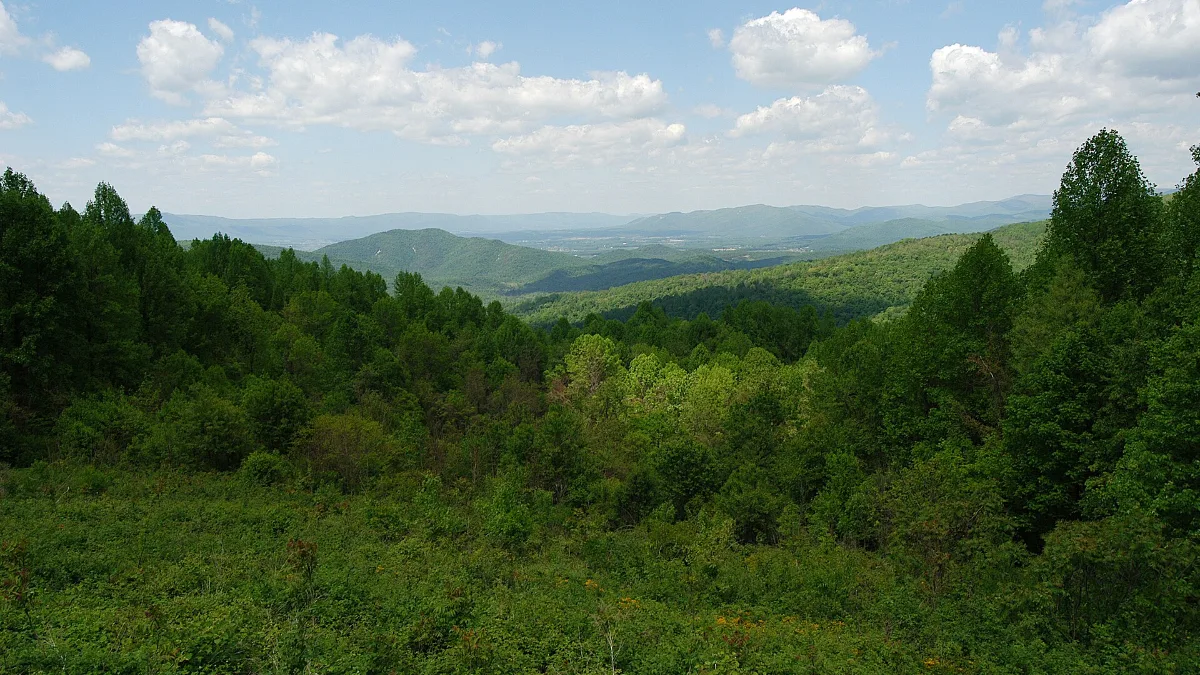
- Shenandoah National Park (Virginia): $30 per vehicle for a week. Skyline Drive is one of the most scenic roads on the East Coast, and it’s within a day’s drive of a huge chunk of the population.
- Rocky Mountain National Park (Colorado): $30/vehicle, and the elevation gain alone gives kids a “we did something big” feeling that sticks.
- Acadia National Park (Maine): $30/vehicle for seven days, with tide pools and lighthouse views that photograph better than anything a theme park can build.
One detail worth building your whole trip around: the Every Kid Outdoors program gives every U.S. fourth grader (and their family vacations, riding in the same vehicle) a free annual pass to more than 2,000 federal recreation sites. That single pass is worth up to $80 in entrance fees, and it applies at every park except the Smokies, where you don’t need it anyway.
Where Is Disney World, and When Does It Still Make Sense?
Let’s answer the search question directly, because it’s a real one: Disney World sits in Bay Lake and Lake Buena Vista, Florida, about 17 miles southwest of downtown Orlando. The full resort spans over 27,000 acres, four theme parks (Magic Kingdom, EPCOT, Hollywood Studios, and Animal Kingdom), two water parks, and dozens of hotels ranging from budget-conscious to eye-watering.
And to be fair to Disney: nothing else replicates that specific kind of magic for a five-year-old meeting Elsa in person. If that’s the trip your family has been saving toward, this isn’t an argument against it. It’s a reality check on the math.
A 2026 week-long trip for a family vacations of four averages $7,250, built from a $194-a-night value resort, a quick-service dining plan, and mid-tier four-day tickets, and that figure typically excludes airfare. Push into a deluxe resort or park-hopper tickets, and estimates climb past $11,000. Even the most aggressively trimmed version, a long weekend at a value resort with basic tickets, tends to land around $2,400 to $2,900, which prices out to well over $5,000 the moment you extend it to a full week. For a line-by-line breakdown, see our guide on how much Disney World vacations cost.
None of that makes Disney a bad trip. It puts it in a different budget category from affordable family vacations, one where $5,000 buys three or four days, not seven, and where the trade-off is worth naming out loud before you book.
Affordable Family Vacations: Side-by-Side Cost Comparison
| Destination | 5-Night Cost (Family of 4) | Entrance/Admission | Best Age Range | Standout Feature |
|---|---|---|---|---|
| Great Smoky Mountains | $2,150–$2,650 | Free (parking tag $5–$15) | 4–16 | No entrance fee, best wildlife odds |
| Shenandoah National Park | $2,400–$3,000 | $30/vehicle (7 days) | 6–16 | Scenic drives, easy day hikes |
| Myrtle Beach, SC | $2,800–$3,600 | Free beach access | All ages | 60 miles of free coastline |
| Rocky Mountain National Park | $2,900–$3,700 | $30/vehicle (7 days) | 8–16 | Alpine scenery, wildlife |
| Walt Disney World (value) | $5,500–$7,250 | $480–$885 per ticket (4-day) | 3–12 | Character experiences, rides |
| Walt Disney World (deluxe) | $9,000–$11,400+ | Included in package | 3–12 | Premium resort, park hopper |
Prefer sand over trails? Our roundup of the best family beach vacations in the USA covers Myrtle Beach and other budget-friendly coastal picks.
Sample 5-Day Smoky Mountains Itinerary Under $5,000
- Day 1: Drive in, check into the cabin, grocery run, evening walk in downtown Gatlinburg. No paid attractions yet, just settling in.
- Day 2: Cades Cove loop at sunrise, packed lunch, afternoon swim at the Metcalf Bottoms picnic area.
- Day 3: Laurel Falls hike in the morning, tubing on the Little Pigeon River in the afternoon (budget $15–$20 per person for rentals).
- Day 4: Clingmans Dome (Kuwohi) and the Roaring Fork Motor Nature Trail, dinner out at a locally owned barbecue spot instead of a chain.
- Day 5: Junior Ranger badge ceremony, souvenir shop in Cherokee or Gatlinburg, drive home.
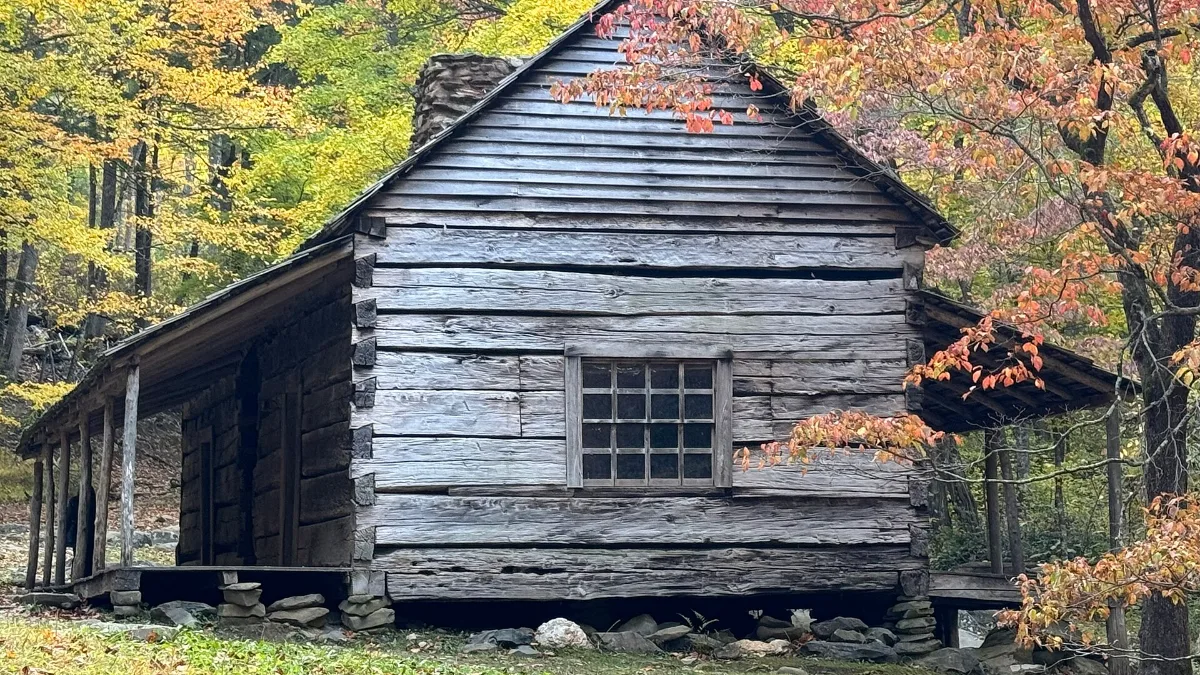
Total spend across five days, including the cabin, food, gas, and every activity above: roughly $2,400 to $2,900 for a family of four, leaving over $2,000 of a $5K budget untouched for whatever comes up, or a second trip later in the year. That’s what affordable family vacations look like when the math works.
Pros and Cons of a National Park vs. a Theme Park Trip
Pros
- Dramatically lower cost per day, especially at fee-free parks like the Smokies
- Less waiting, more doing: no ride lines eating into vacation time
- Junior Ranger and Every Kid Outdoors programs add real educational value at little or no cost
- Works well for multi-generational trips since there’s no age-gated ticket structure
Cons
- Weather is a real variable; rain can shut down a hiking day in a way an indoor Disney restaurant never will
- Younger kids (under 4) may need more planning around nap schedules and trail difficulty
- Cell service is spotty in most parks, which is either a feature or a problem depending on your household
- Character-driven excitement (meeting a specific movie figure) isn’t something a mountain trail replicates
Traveler Tribes Recommendation
If your family is new to affordable family vacations and hasn’t been to a national park together yet, start with the Smokies before anywhere else on this list. The combination of zero entrance fee, easy-to-moderate trails, and a basecamp town with enough amenities to keep non-hikers happy makes it the lowest-risk way to test whether this style of trip fits your family vacations.
Save Disney for a milestone year, a big birthday, or a graduation, when the $7K price tag feels like a celebration instead of a routine expense. That’s the version of budgeting that sustains a family vacations travel habit for the next decade, instead of burning through savings for one big trip and skipping the next three years entirely.
The Takeaway
The real story behind affordable family vacations isn’t that you’re settling for less. It’s that a $5,000 budget, aimed at the right destination, buys a longer trip, less stress, and more actual family time than the same money spent standing in line for a three-minute ride. Book the cabin. Pack the hiking boots. Save Cinderella’s Castle for the year it deserves to be the whole trip, not a corner of one.
Frequently Asked Questions (FAQs)
1. Is Great Smoky Mountains National Park really free to enter?
Ans: Yes. It’s the only major U.S. national park with no entrance fee, a condition written into the 1930s land deed for Newfound Gap Road. You’ll pay a small parking tag: $5 daily, $15 weekly, or $40 annually, but there’s no per-person or per-vehicle admission charge.
2. Where is Disney World located exactly?
Ans: Walt Disney World sits in Bay Lake and Lake Buena Vista, Florida, about 17 miles southwest of downtown Orlando. The resort covers more than 27,000 acres and includes four theme parks, two water parks, and dozens of on-site hotels.
3. What’s a realistic family vacation under $5,000 for a family of four?
Ans: Among the most affordable family vacations, a five- to seven-day trip to a national park destination (the Smokies, Shenandoah) or a budget beach town like Myrtle Beach typically runs $2,500 to $4,000, including lodging, food, gas, and activities, leaving room in a $5K budget for upgrades or a buffer.
4. How much does a week at Disney World actually cost in 2026?
Ans: Standard estimates put a value-resort week at around $7,250 for a family vacations of four, based on a $194-a-night hotel, a quick-service dining plan, and mid-tier four-day tickets. Airfare typically isn’t included in that figure.
5. Is the Every Kid Outdoors pass worth using?
Ans: Absolutely, if you have a fourth grader. It’s a free annual pass covering entrance fees at more than 2,000 federal recreation sites, worth up to $80, and it stacks with the rest of a national park budget strategy.
6. What month is cheapest for a national park family vacations trip?
Ans: Late spring (May, before Memorial Day) and fall (September through mid-October) tend to offer the best mix of lower lodging rates, thinner crowds, and manageable weather, avoiding both summer peak pricing and winter road-closure risk in higher-elevation parks.