

You step off the train in Kyoto and turn a corner, and it happens before you have even settled into your hotel. You’re standing in front of a thousand-year-old gate while a group of schoolkids in uniforms cycles past a 7-Eleven. Old and new, sacred and ordinary, sitting shoulder to shoulder as if they’ve never had a reason to fight. And that contrast is why so many travelers look for places of interest in Kyoto before they have even booked a hotel, because deep down, they already have a feeling that this city is going to rearrange something in them.
If you are planning a trip in 2026, you are in good company. Places of interest in Kyoto have quietly become one of the most in-demand destinations in Asia again, and travelers are no longer content with a rushed one-day stopover between Tokyo and Osaka. They want to feel the city in action, its temples at dawn, its alleys at midnight, its food stalls, its silence.
This guide takes you on a walk through the real places of interest in Kyoto that locals recommend, the real places to visit in Kyoto, and a few tips that most blogs don’t mention: how to get here from Tokyo, where to visit after the sun has gone down, how to build a good Kyoto trip itinerary, and how to do it all without the need for your savings. Make a coffee; this one’s long, but it’s the last Kyoto guide you’ll need to go through.
Why Kyoto Deserves More Than a Day Trip
Most first-time visitors to Japan treat places of interest in Kyoto like a checklist stop: Fushimi Inari, a quick photo, and back on the train. That’s a mistake, and, truthfully, it’s the single biggest regret we hear from travelers after the fact.
Kyoto was the imperial capital of Japan for over a thousand years. There is a part of that history in every neighborhood, whether it’s a moss-covered stone lantern behind a noodle shop or a geisha slipping through Gion just as the lanterns flicker on. The places of interest in Kyoto aren’t just tourist stops; they are chapters of a story that’s still being written.
Let the city be for at least three days. Four, if you can manage it. That’s enough time to slow down, roam without an agenda, and really notice the details that make places of interest in Kyoto distinct from anywhere else in Japan.
Best Way to Travel from Tokyo to Kyoto
Before diving into the sights, let’s solve the logistics, because how you get there determines how much time and money you will actually have for exploring.
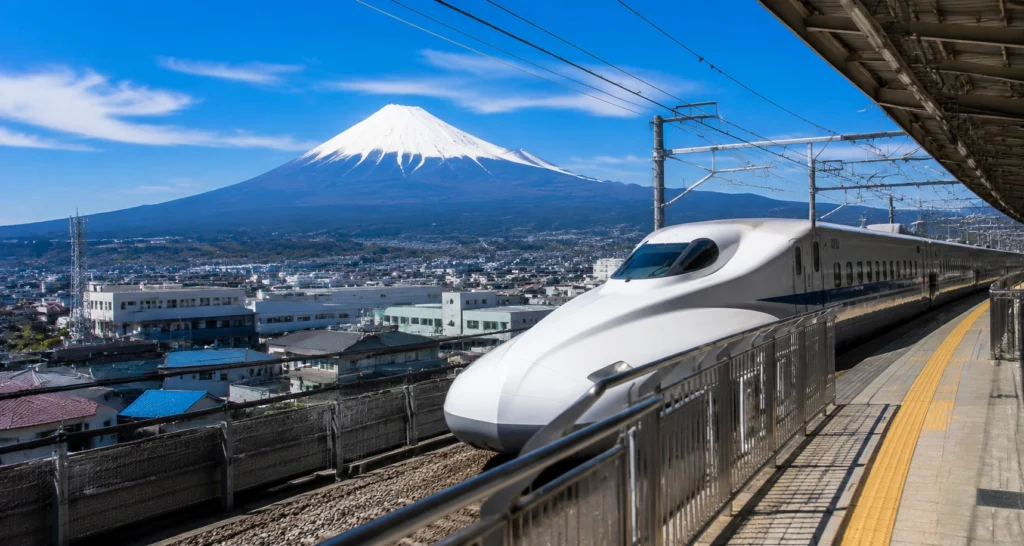
The best way to travel from Tokyo to Kyoto is the Shinkansen (bullet train). The Nozomi and Hikari lines take Tokyo Station to Kyoto Station in about two hours and fifteen minutes, passing Mount Fuji on a clear day, truly one of those “pinch me” travel moments.
A few practical notes:
- Reserved seats are worth it. At around ¥14,000–15,000 one-way, it’s not so hard to avoid standing in unreserved cars in peak travel seasons.
- The JR Pass had been the standard answer for budget travelers, but price changes made it only worthwhile when you go on multiple long-distance trips. Do the math before buying.
- Night buses are available and are much cheaper (sometimes less than ¥5,000), but you’ll have to trade comfort for savings. That’s fine for backpackers, less so for those who value their spine.
- Flying rarely makes sense unless you’re doing it with another part of your trip and airport transfers eat up any time you save.
If you ask someone what the best way to travel from Tokyo to Kyoto (or from Kyoto to Tokyo in general) is, the right answer is the Shinkansen: book it a couple of days ahead, get to the JR website or a reliable app, and make the ride an adventure and not a chore to get through.
What are the places to go in places of interest in Kyoto?
Here’s where things get exciting. Below are the places of interest in places of interest in Kyoto that consistently earn their reputation, not because a brochure says so, but because they genuinely deliver, even after the crowds have made them famous.
1. Fushimi Inari Taisha
OK, everybody has seen the photo: thousands of vermilion torii gates spiraling up a mountainside. But photographs don’t capture the sound of your own footsteps as the crowd shrinks as you climb up or the light changing through the gates at a certain time. Arrive before 7 a.m., and you’ll have entire stretches almost to yourself. This is still one of the most photographed places of interest in Kyoto, and for good reason; it’s different every time you visit.
2. Kinkaku-ji (The Golden Pavilion)
A Zen temple in gold leaf, reflecting perfectly off a still pond. It sounds almost too polished to be real, and in photos it can look staged, but standing in front of it, watching the light shift across the gold as clouds pass overhead, it’s really moving. Be early or during a light rain for the most atmospheric experience.
3. Arashiyama Bamboo Grove
Walking through towering bamboo stalks that creak and sway overhead feels like stepping into a different physical law. It’s compact; go at sunrise if you want it without the crowds. Coupled with nearby Tenryu-ji Temple and Togetsukyo Bridge for a half-day that covers some of the most photogenic places of interest in Kyoto in one loop.
4. Kiyomizu-dera
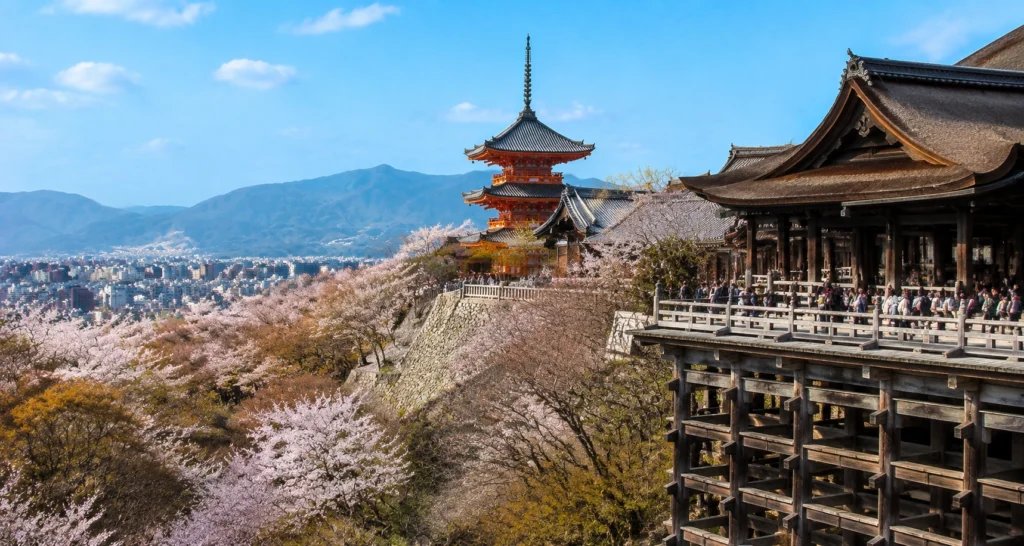
With an elevation on a hillside and grand views of the city, Kiyomizu-dera is particularly impressive in cherry blossom season and autumn foliage. The wooden stage, standing without a nail, survived centuries of earthquakes, a small detail that says a lot about the craftsmanship that’s been woven into this city.
5. Gion District
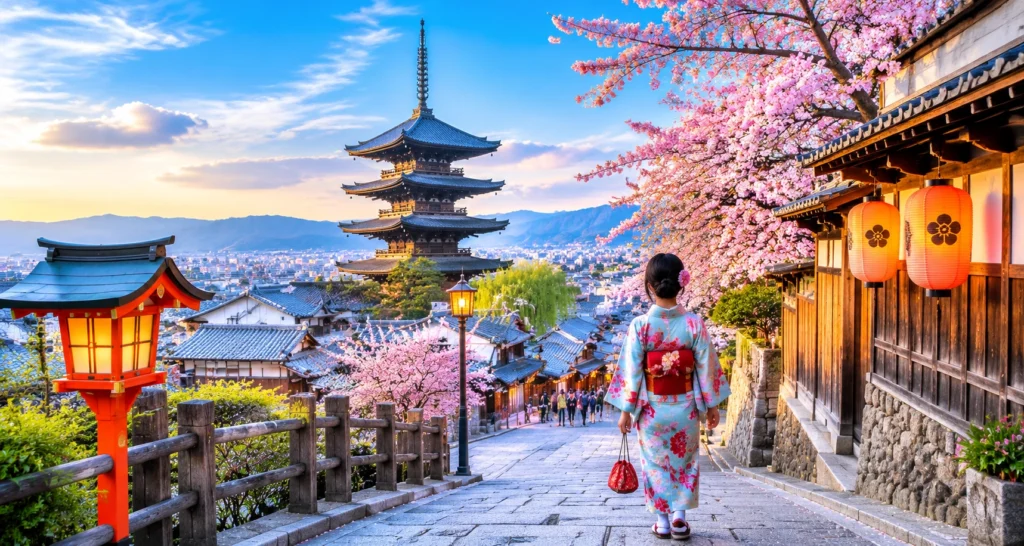
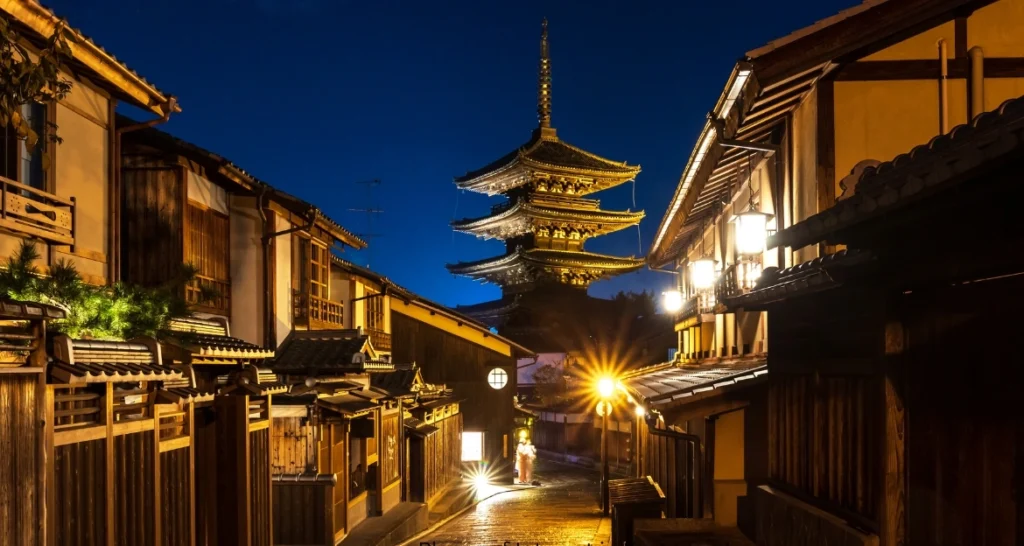
It is the entertainment quarter of old places of interest in Kyoto, where traditional wooden machiya houses line narrow streets, and if you’re lucky (and respectful- please don’t chase or photograph them without consent), you might spot a geiko or maiko heading to an appointment. Gion isn’t just a stop in the morning; it transforms completely after dark, which leads us to our next point.
6. Nijo Castle
Nijo Castle was built by the Tokugawa shogunate and is known for its “nightingale floors” that chirp under footsteps as a security alarm against intruders. It is a fascinating window into feudal Japan and one of the less well-known places of interest in Kyoto that tour groups often rush through too quickly.
7. Philosopher’s Path
A quiet canal-side walking trail that connects Ginkaku-ji (the Silver Pavilion) to Nanzen-ji Temple. Named after a philosophy professor who used it for daily meditative walks, it is lined with cherry trees that turn the whole path pink in spring. It’s a peaceful stretch that you can walk to not only during sakura season but also outside.
8. Nishiki Market
Kyoto’s Kitchen, this covered market street, is teeming with stalls selling everything from fresh yuba (tofu skin) to skewered octopus and matcha sweets. It is one of the best places of interest in Kyoto for food lovers who would like to eat their way through the culture rather than just look at it.
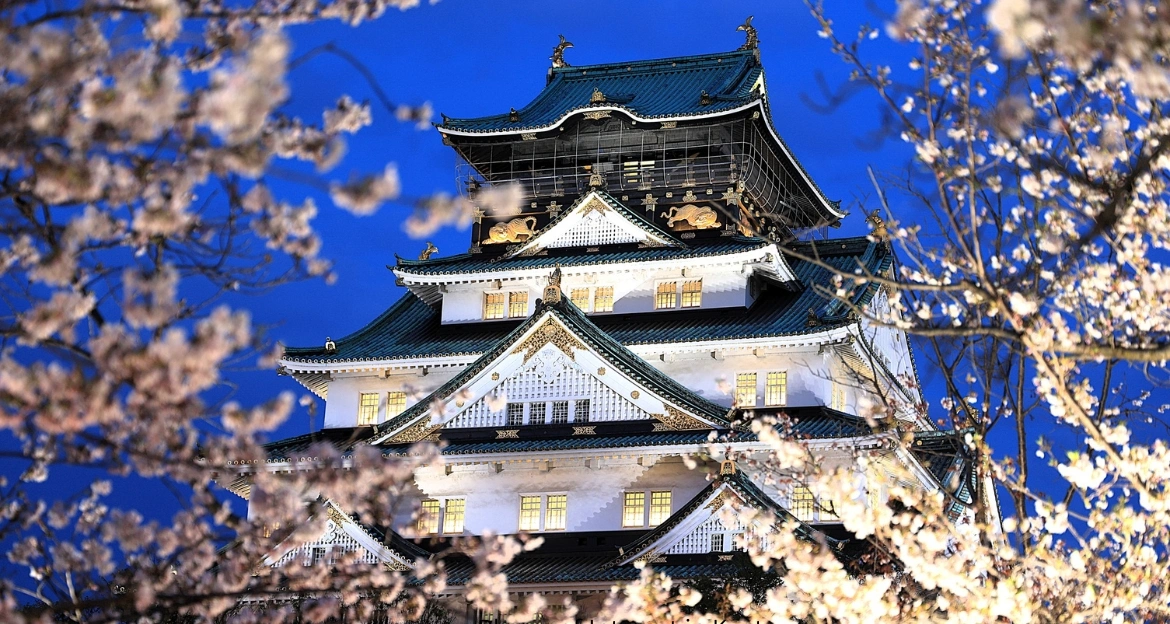
Places to Visit in Kyoto at Night
Here’s something many guides do not mention: Places of interest in Kyoto don’t shut down at sunset; it only alters personality.
If you are searching for the best places to visit in Kyoto at night, start with Gion and Pontocho Alley. Lanterns glow along the Kamo River, restaurants open their riverside terraces in summer, and the whole district takes on a cinematic quality that’s hard to describe until you have walked it yourself.
A few more nighttime favorites:
- Kiyomizu-dera during special illumination events: held in particular weeks in spring and autumn when the temple grounds are lit up in ways that feel almost otherworldly.
- Kyoto Tower: not the most authentic experience, yes, but the night view over the city’s rooftops and temple silhouettes is worth ten minutes of your evening.
- Fushimi Inari at dusk: far fewer people and the gates glow a ghostly, atmospheric glow with lantern light.
- Yasaka Shrine at night: very nice, very quiet, and just a short walk from Gion and easy to do in one evening loop.
Among all the places to visit in Kyoto at night, Pontocho Alley is still the local favorite for a reason: narrow and lantern-lit, with little restaurants that seat maybe eight people at a time. It’s the kind of street where you end up talking to strangers over shared plates of yakitori, simply because there’s nowhere else to look but at each other.
Places of Attractions Beyond the Obvious List
Once you have covered the headline sights, Kyoto rewards travelers who dig a little deeper. These places of attractions rarely make the front page of guidebooks but always surprise people:
- Fushimi Sake District: a walkable neighborhood of century-old sake breweries, a few of which offer tastings for a few hundred yen.
- Tofuku-ji Temple: quieter than Kiyomizu-dera but more dramatic during autumn foliage, thanks to its famous valley bridge.
- Kyoto International Manga Museum: a converted elementary school now home to thousands of manga volumes that are oddly charming for a rainy afternoon.
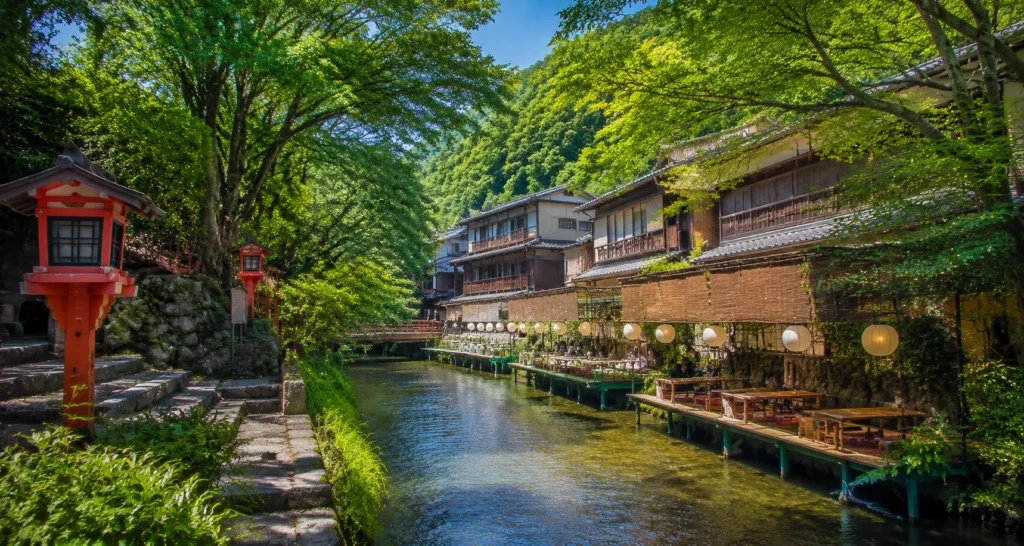
- Kurama and Kibune: a short train ride out of the city center, offering mountain hiking, hot springs, and riverside dining platforms in summer.
These lesser-known places of attraction are often what separate a good places of interest in Kyoto trip from a genuinely memorable one, because you’re not sharing the moment with three tour buses’ worth of strangers.
Building a Smart Kyoto Travel Itinerary
A well-paced Kyoto travel itinerary matters more than most people expect. Cram too much in, and you’ll spend your trip staring at your phone’s map instead of the scenery. Here’s a realistic three-day framework:
Day 1: East Kyoto: Fushimi Inari at sunrise, lunch near the station, Kiyomizu-dera in the afternoon, then wandering into Gion as evening falls.
Day 2: Northwest Kyoto: Kinkaku-ji in the morning, Arashiyama’s bamboo grove and Tenryu-ji by early afternoon, then the Philosopher’s Path toward Ginkaku-ji before sunset.
Day 3: Local Life: Nishiki Market for breakfast and snacks, Nijo Castle mid-morning, then a slower afternoon exploring whatever caught your interest earlier, a shop, a shrine, or a street you didn’t finish walking.
If you have a fourth day, this is the moment to add a day trip to Kurama, Nara, or the Fushimi Sake District. A flexible places of interest in Kyoto travel itinerary should always leave a little breathing room; the best memories usually come from the unplanned detour, not the checklist.
Budget-Friendly Travel in Kyoto
Places of interest in Kyoto is an expensive city, and it’s usually true if you stick to the tourist route. Budget-friendly travel in Kyoto is definitely possible if you plan.
Getting around: A one-day bus pass costs less than individual fares if you’re visiting more than one or two temples. Walking is also underrated here; many of the most important places are closer together than they look on a map.
Eating well without overspending: Skip the restaurants directly outside major temples; prices jump the closer you get to a tourist landmark. Instead, head into Nishiki Market or any side street a few blocks off the main path, where a filling bowl of ramen or udon can cost you under ¥1,000.
Free or almost-free sights: Fushimi Inari, the Philosopher’s Path, Gion’s streets, and browsing Nishiki Market are all free. Many temple grounds only charge for inner buildings, so you can still appreciate the architecture from outside.
Accommodation: There are guesthouses and capsule hotels near places of interest in Kyoto Station that are very good and are within easy reach of the Shinkansen and local buses.
Let budget-friendly travel in Kyoto be a mindset rather than a limitation; some of the best experiences here (a quiet shrine at dawn, a conversation with a shopkeeper, the smell of incense drifting through an alley) don’t cost anything at all.
Final Thoughts Before You Go
Kyoto is not a city you visit in a weekend; it’s a city that you get back to see again and again, noticing something you missed. Whether you’re looking for the classic places of interest in Kyoto, hunting for places to visit at night, or wanting to take a realistic trip in a Kyoto travel itinerary on a budget, the city pays back exactly what you put into slowing down for it.
Pack comfortable shoes, leave room in your schedule for wandering, and let places of interest in Kyoto do what it does best: quietly rearrange your idea of what a “must-see” destination actually feels like.
Planning your places of interest in Kyoto trip? Save this guide, bring it to your travel group, and let Traveler Tribes help you plan the rest of your trip to Japan.
FAQs
1. How many days should I spend seeing the main places of interest in Kyoto?
Ans: Three full days cover the major highlights comfortably. Four or five is a good number for day trips and unhurried exploring without feeling rushed.
2. What is the best way to travel from Tokyo to Kyoto for first-time visitors?
Ans: The Shinkansen bullet train is the most reliable and comfortable option and takes about two hours and fifteen minutes, with reserved seating recommended during peak seasons.
3. Is Kyoto walkable, or do I need to rely on buses and taxis?
Ans: Central places of interest in Kyoto is very walkable, especially in places like Gion and Higashiyama. For sights further apart, like Arashiyama or Fushimi Inari, buses and trains bridge that gap inexpensively.
4. What are the top places to visit in Kyoto at night?
Ans: Pontocho Alley, Gion, illuminated temple events, and the riverside near the Kamo River are among the best places to visit in the evening.
5. Can I experience Kyoto on a budget?
Ans: Yes, budget-friendly travel in places of interest in Kyoto can be done if you eat away from tourist spots, use day passes for transport, and prioritize the many free outdoor places the city has to offer.
6. When is the best time of year to visit Kyoto?
Ans: Spring (late March to early April) for cherry blossoms and autumn (November) for foliage are the most popular, but early mornings year-round offer a quieter, more personal experience regardless of season.