

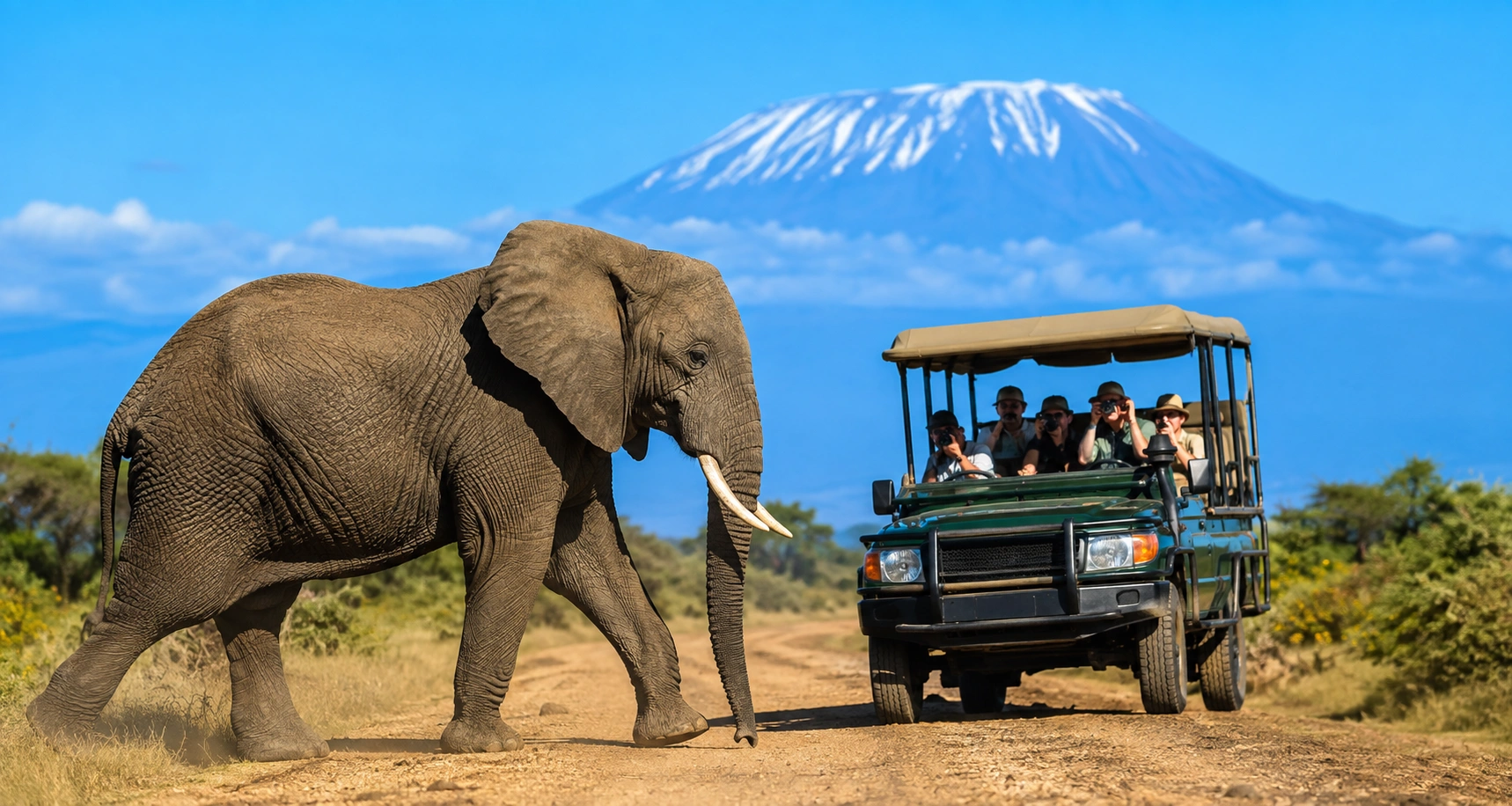
Wildlife tours: There is a particular silence before a grizzly steps into a river full of salmon or a puma freezes mid-stalk fifty yards from your boots. Everyone stops breathing at the same time. Your guide’s hand goes up. That’s the moment people chase across every continent on earth, and that’s the moment we construct this list.
Wildlife tours aren’t just a checkbox on a bucket list; they’re the easiest way to feel small in the best way. Whether you’re picturing a dawn game drive through the Serengeti, a quiet kayak past wild ponies on the Virginia coast, or three days tracking pumas through Patagonian scrub, the through-line is the same: You travel where the animals actually live, on their schedule, not yours. We gathered the best wildlife tours on the planet, organized by region, with detailed information about timing, cost, and what to expect, not postcards.
A quick note before you dive in: the key factor in whether a wildlife tours is memorable or forgettable is not the destination. It’s the guide. A good local guide can turn a piece of forest, on average, into the best two hours of your trip, and a bad one can turn Yellowstone into a drive-through zoo. Set up with operators focused on small groups, ethical viewing distances, and guides who have spent years, not weeks, in that region.
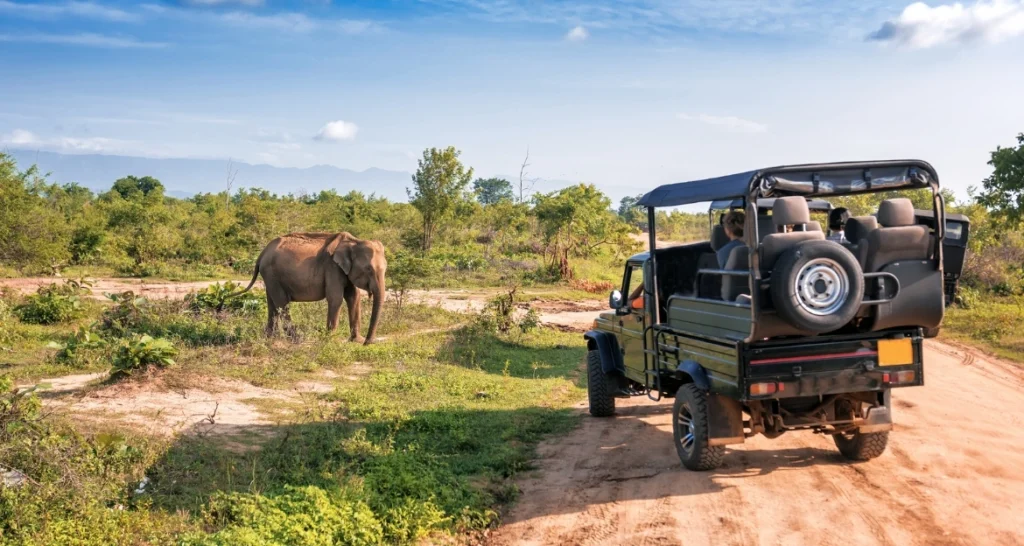
Best Places to See Wildlife in North America
You don’t need a 20-hour flight to have a real wildlife tours encounter. Some of the best places to see wildlife are a domestic flight or a road trip, and the U.S. and Canada’s national park system was literally designed to protect these animals.
1. Yellowstone National Park, Wyoming: For Wolves and Bison
Yellowstone is the original wildlife tours. The Lamar Valley, commonly known as America’s Serengeti, is where bison calves (nicknamed “red dogs” for their rust-colored coats) waddle around on wobbly legs every spring, and wolf-tracking trips head out at dawn to follow packs in the snow in winter. Here, there are guided wildlife tours, from a single-day van tour to multi-day lodges with wildlife tours biologists. Go in late April to June for babies, or January through March for wolves against snow.
2. Katmai National Park, Alaska: For Brown Bears
Watching a 900-pound brown bear catch a leaping salmon in mid-air at Brooks Falls is one of those experiences that pictures never quite capture. Katmai is home to a population of roughly 2,200 brown bears, and from early June through mid-September, three elevated viewing platforms allow you to watch them fish from a genuinely safe distance. Most people fly in by floatplane from Anchorage or King Salmon, and there aren’t any roads in.
3. Chincoteague Island, Virginia: For Wild Ponies by Kayak
Made famous by Misty of Chincoteague, these wild ponies roam the salt marshes of the Chincoteague National wildlife tours Refuge, and the best way to see them is from a kayak. Paddling at high tide takes you into the narrow creeks where ponies wade and graze within refuge guidelines, keeping visitors at a respectful distance. April through October is prime paddling season.
4. Everglades National Park, Florida: For Birding by Tram and Boardwalk
Over 360 bird species pass through or live in the Everglades, including wood storks, roseate spoonbills, and herons that stalk the shallows like tiny dinosaurs. The Anhinga Trail boardwalk near the Royal Palm Visitor Center is a classic, but the open-air Shark Valley tram tour covers more ground with a guide narrating along the way. Early morning is when birds are loudest and most active.
5. Channel Islands National Park, California: For Whales and Sea Lions by Boat
This eight-island area off Santa Barbara can only be reached by boat, and that’s why it remains so wild. Spring is sea lion pupping season and the tail end of migration for gray whales, with the pups being held on shore and whales occasionally breaching offshore. Make a cruise with the park’s official concessionaire for landing trips and non-landing wildlife tours along the Santa Barbara Channel.
6. Silver Springs State Park, Florida: Manatees by Clear Kayak
From mid-November through late March, Florida’s crystal-clear, spring-fed waters fill up with manatees and, since gas- and electric-powered boats are banned here, a paddle in a canoe or kayak or clear-bottom kayak is about as close and quiet as a manatee encounter gets. Keep splashing to a minimum and give them room to surface.
7. Denali National Park, Alaska: Moose, Pika, and the Full Alaskan Cast
When you are planning for a bigger Alaska road trip, Denali is a good point to put your schedule around. Talus fields and rocky alpine slopes here are prime pika habitat, tiny, squeaking mammals that are surprisingly hard to spot unless you sit still and listen. The park shuttle buses also regularly pass moose, caribou, and the occasional grizzly without you ever getting out of your seat.
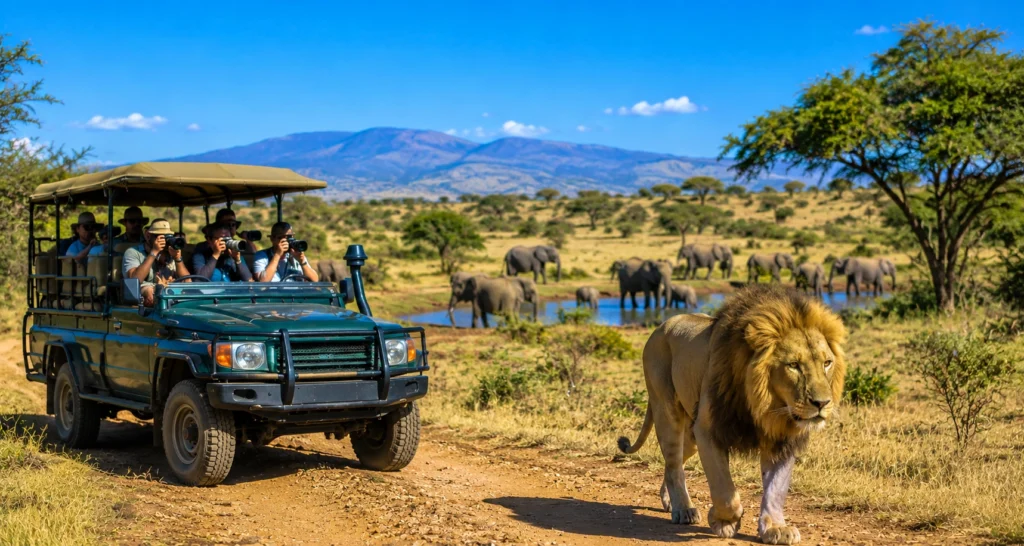
Patagonia Wildlife Tours for Women and Everyone Else
Patagonia has quietly become one of the most sought-after wildlife tours destinations on earth, and not only for the glaciers. Patagonia wildlife tours for women have exploded in popularity over the last few years, largely thanks to operators like WHOA Travel and Her Wildlife Expeditions, which run all-women or women-led trips with local female guides, small group ratios, and itineraries specifically geared towards puma tracking and photography.
8. Torres del Paine, Chile: For Puma Tracking
Torres del Paine National Park has one of the healthiest puma populations left in the wild, and specialized tracking trips, many led by expert local trackers — put you on foot (at a safe distance, always) as you follow prints, scat, and radio collar data to a sighting. You will almost certainly see guanacos, Andean condors, and foxes along the way. Women-focused expeditions here typically run three to eight days and combine tracking with photography mentorship.
9. Punta Arenas, Chile: Penguin Colonies
It takes just a little trip from Punta Arenas to the Magellanic and King penguin colonies, and the latter is the second-largest penguin species on Earth. These are walking tours through protected reserves, not zoo enclosures. The penguins waddle past at their own pace, completely unbothered by your presence.
10. Los Glaciares National Park, Argentina: For Condors and Glacial Wildlife
On the Argentine side of Patagonia, Los Glaciares combines the spectacle of Perito Moreno Glacier with condor-watching along the ridgelines above El Calafate. But full-day wildlife tours here are less physically taxing than the Chilean trekking circuits, making it a good option for travelers who want wildlife without a multi-day hike.
Costa Rica Wildlife Tours: The Rainforest Cheat Code
Costa Rica has an outsized 5% of the biodiversity in a country about the size of West Virginia, and that’s why Costa Rica wildlife tours are some of the most reliable wildlife tours experiences anywhere. You don’t need weeks or luck, just a good guide.
11. Manuel Antonio National Park: Sloths, Monkeys, and Iguanas
Manuel Antonio is small (just 1,680 acres) but populated with wildlife tours: three species of monkey, three-toed sloths, and over 180 bird species, all visible on well-marked trails. It is the easiest point of entry in the country for a first-timer, and sightings here are almost guaranteed.
12. Monteverde Cloud Forest Reserve: Resplendent Quetzals
The resplendent quetzal is probably the most beautiful bird in the Americas, and Monteverde’s misty cloud forest is where it’s most reliably spotted, especially in March when breeding season takes place. A guided walk through the Curi-Cancha Reserve with a naturalist can bring dozens of species in a single morning, silvery-fronted tapaculos and a rotating cast of hummingbirds.
13. Tortuguero National Park: For Sea Turtles and Canal Wildlife
Tortuguero, accessible only by boat or small plane, is Costa Rica’s Caribbean coast version of the Amazon, an elaborate network of jungle canals where you’re just as likely to see a crocodile slipping off a bank as a troop of howler monkeys flying above. Green sea turtles nest on beaches here in one of the largest nesting events in the Western Hemisphere, from July to October.
14. Corcovado National Park: For Jaguars, Tapirs, and the Big Swings
Corcovado is the wild card on this list. It’s remote, humid, and it offers the best (though still rare) chance in the country to see a jaguar or Baird’s tapir in the wild. Most visitors go in for the chance, not the guarantee – and even without a jaguar sighting, the sheer density of monkeys, scarlet macaws and poison dart frogs makes it worth the trek.
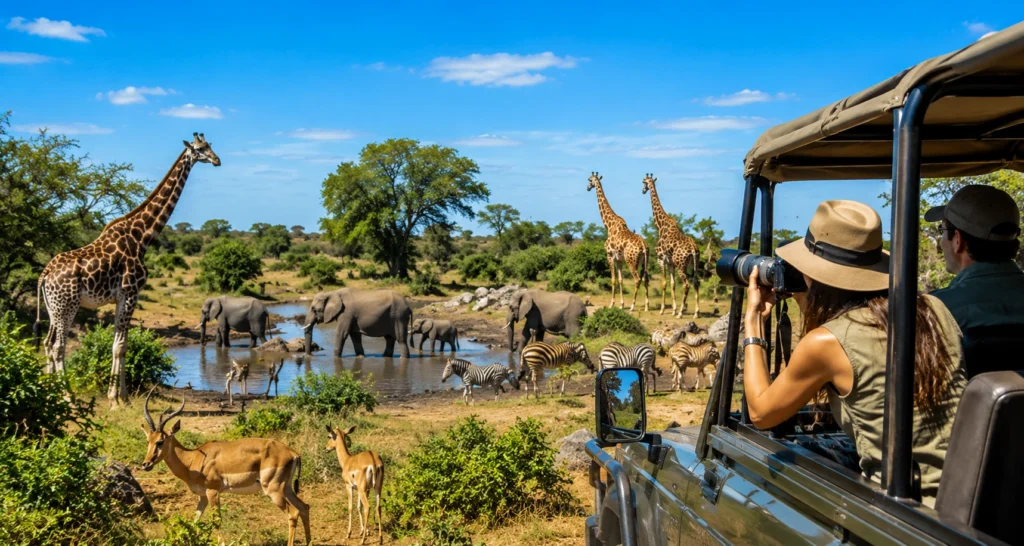
The Big Bucket-List Safaris and Global Wildlife Tours
15. Serengeti National Park, Tanzania: The Great Migration
In the Serengeti, over two million wildebeest and zebras travel across the 14,000-plus square kilometers every year, pursued by about 3,000 resident lions and the occasional cheetah sprint that ends how you would imagine. It’s the safari that most people think of when they hear the word, and for good reason, few places on earth pack this much drama into a single afternoon. June through October is migration season, and January through March is the wildebeest calving season.
16. Masai Mara, Kenya: Big Five Game Drives
The Masai Mara is the Serengeti’s northern neighbor and probably its equal, with open plains that make spotting elephants, lions, and leopards much easier than in denser terrain. Balloon safaris at sunrise here have become almost as iconic as the game drives themselves.
17. Okavango Delta, Botswana: Wildlife Tours by Mokoro Canoe
The Okavango floods every year, turning the Kalahari into a lush wetland maze that’s best explored by mokoro, a traditional dugout canoe poled silently through the reeds. It’s a quieter, slower safari, one where elephants, hippos, and hundreds of bird species show up without an engine warning them first.
18. Kruger National Park, South Africa: Self-Drive or Guided Big Five
Kruger is one of the major safari parks where an option for self-drive is available alongside guided game drives in a way that is very convenient for those looking to be flexible. Luxury camps here usually combine daytime game drives with evening bush dinners and enjoy the view of elephants or rhinos from a distance.
19. Bwindi Impenetrable Forest, Uganda: Mountain Gorilla Trekking
In Bwindi’s dense, misty forest, to sit with a family of mountain gorillas is unlike any other wildlife encounter on this list, not least because it is difficult going through the mountains and forest to get there and gorillas share 98% of our DNA, which makes looking at a mountain gorilla feel unnervingly familiar, and it’s the feeling of eye contact with one is very creepy. Permits are limited and should be booked months in advance.
20. Galápagos Islands, Ecuador: Wildlife With No Fear of You
The Galápagos evolved in near-total isolation, so its animals never learned to fear humans, and the marine iguanas, blue-footed boobies, and giant tortoises just go about their day a few feet from where you stand. Small-ship cruises are the standard way to island-hop here, usually with snorkeling alongside sea lions and hammerhead sharks.
21. The Amazon, Ecuador, and Peru: Pink River Dolphins and Canopy Birding
River cruises and jungle lodges along the Amazon’s tributaries offer a completely different wildlife rhythm, nocturnal caiman spotting with a flashlight, canopy walkways for birding at eye level with toucans, and, if you’re lucky, a glimpse of the Amazon’s famously shy pink river dolphins.
22. The Pantanal, Brazil: The Best Place on Earth to See a Jaguar
If a jaguar sighting is really the goal, skip the rainforest and head to the Pantanal, the world’s largest tropical wetland. Its open floodplains make jaguars far easier to spot here than anywhere else in South America, alongside giant otters, capybaras, and hyacinth macaws.
23. Borneo, Malaysia: Wild Orangutans
The ancient rainforests of Borneo are one of the last strongholds for wild orangutans, and river cruises along the Kinabatangan, along with visits to rehabilitation centers like Sepilok, bring with them the wild and the conservation context. You can expect pygmy elephants, proboscis monkeys, and hornbills along the way.
24. Ranthambore National Park, India: Bengal Tigers
Ranthambore is one of India’s most reliable places to spot a wild Bengal tiger, thanks to a healthy resident population and open, dry-deciduous terrain that doesn’t hide them the way denser jungle would. Morning and afternoon jeep safaris are timed around tiger activity patterns, with sightings most likely from March to May.
24. Ranthambore National Park, India: Bengal Tigers
For polar bears, it’s all about two places: Svalbard, reached by expedition ship deep in the Arctic, or Churchill, Manitoba, the “polar bear capital of the world,” where specialized tundra vehicles roll right up to bears waiting for sea ice to form each October and November.
How Safe Are Safari Tours Around Wildlife?
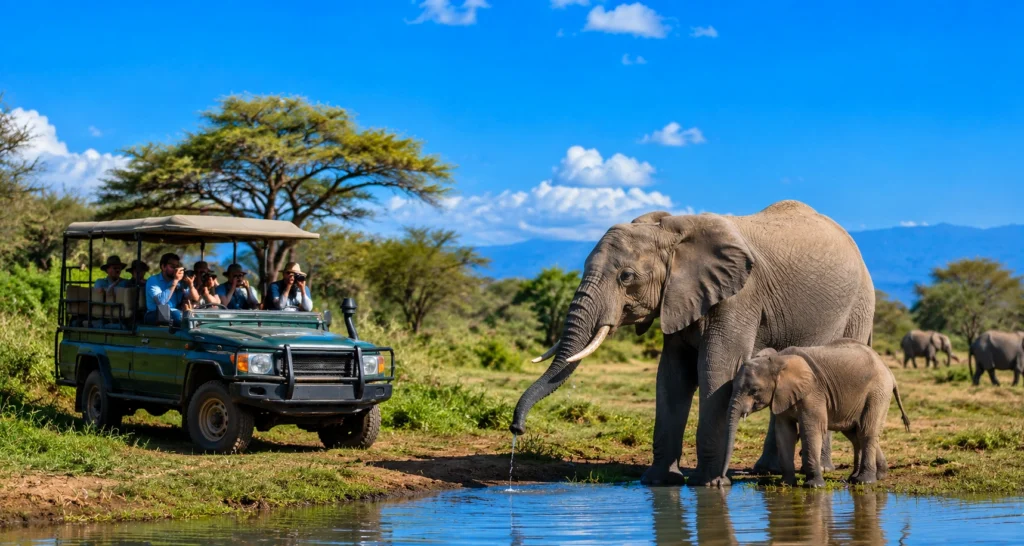
This is the question that almost everyone asks when booking their first big safari, and the answer is: safer than most people think. How safe safari tours really come down to three things: the vehicle, the guide, and whether you follow instructions.
On a game drive, animals read a closed vehicle as one big, non-threatening shape. When someone stands up, opens a door, or leans out for a photograph, that silhouette breaks, and that’s when it goes wrong. Reputable operators brief every guest on this before the first drive, and professional guides are trained to read subtle warning signs, an elephant’s ears spreading, a lion’s tail flicking, long before a tourist would notice anything at all.
A few rules hold true across virtually every safari destination on this list:
- Stay in the vehicle unless your guide explicitly says otherwise.
- Never feed or touch wild animals, no matter how comfortable they appear with you. Hugging and touching are the two most likely behaviors to cause bites, scratches, and aggressive encounters at any time of day.
- During close encounters, especially around mothers with young children, keep noise and movement to a minimum.
- Trust your guide’s read on a situation over your own instinct to get closer for a better photo.
- At night, request an escort at unfenced camps; this is standard practice, not a sign that something is wrong.
Incidents involving trained guides and guests who follow the rules are extremely rare across the industry. Most of the viral “safari gone wrong” videos that circulate online either come from unlicensed operators, self-drive travelers ignoring guidance, or aren’t from guided safaris at all. Booking with an established operator with strong reviews and clear safety protocols all but eliminates the risk that makes people nervous in the first place.
Your Next Move
The best wildlife tours on this list all share one thing: they put you in a place where the animals are simply living their lives, and you happen to be a quiet, respectful guest for a few hours. That’s the whole trick. Pick the ecosystem that’s been living rent-free in your head, the bears, the pumas, the gorillas, the quetzal you saw in a documentary once, and build your trip around the season when that animal is actually doing something worth watching. Book with a guide who knows the terrain better than the map does, pack more patience than you think you’ll need, and let the silence before the sighting do the rest.
FAQs
1. What is the best time of year to book a wildlife tours?
Ans: It depends on the place and species. The East African Great Migration peaks from June through October. Costa Rica’s dry season (December to April) is the season for general wildlife viewing, and Katmai’s bear-fishing season runs from June to September. Always check species-specific timing before locking in dates; a trip booked in the wrong month can mean the difference between a dozen sightings and none.
2. Do I need to be a very experienced traveler to go on a wildlife tour?
Ans: No. Most of the places on the list, Yellowstone, Costa Rica, Galápagos, and even the Serengeti, run comfortable, guided small-group trips designed for first-timers, families, and solo travelers alike. The most physically demanding options, like gorilla trekking in Bwindi or multi-day puma tracking in Patagonia, are the exception rather than the rule.
3. How much do wildlife tours typically cost?
Ans: Costa Rica wildlife day wildlife tours typically run $40 to $100 per person, while multi-day African safaris typically range from $300 to $800+ per person per night, depending on the luxury level. Polar bear tours in Churchill and expedition cruises to Svalbard or Antarctica tend to sit at the higher end, often starting around $5,000 to $8,000 for a full trip.
4. Which is better to book, a private guide or a small group tour?
Ans: Both have a place. Private guides offer flexibility and pacing suited to your interests, which matters a lot for photography-focused trips. Small group wildlife tours are usually more affordable and come with built-in camaraderie, genuinely useful on longer, more remote trips like Patagonia or the Pantanal.
5. Are wildlife tours ethical?
Ans: The best ones are built around observation, not interaction, no touching, feeding, or riding wild animals, and strict adherence to viewing distances that keep animal behavior natural. Look for operators who partner with local conservation groups, employ local guides, and avoid any activity involving direct contact with wildlife.