

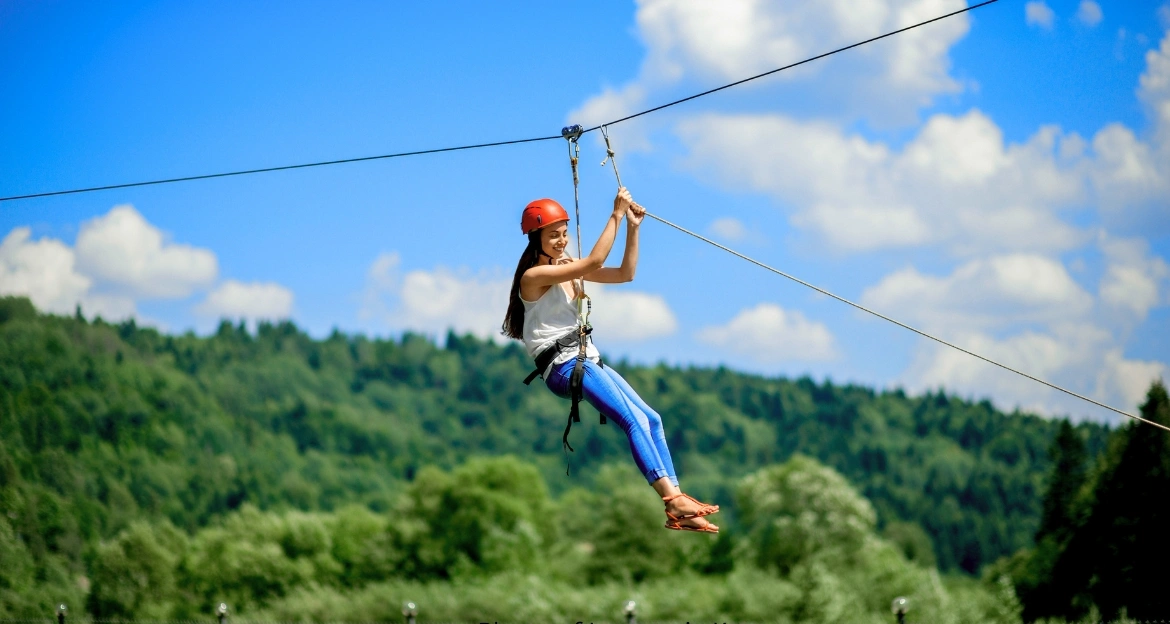
There are two seconds on every zip line, right after your feet leave the platform and right before your brain catches up, when you forget you have a phone, a job, or a single responsibility waiting back home. And that’s the moment people chase when they start Googling the best zip lines in the country, and honestly, it’s the moment that keeps this sport growing every single year.
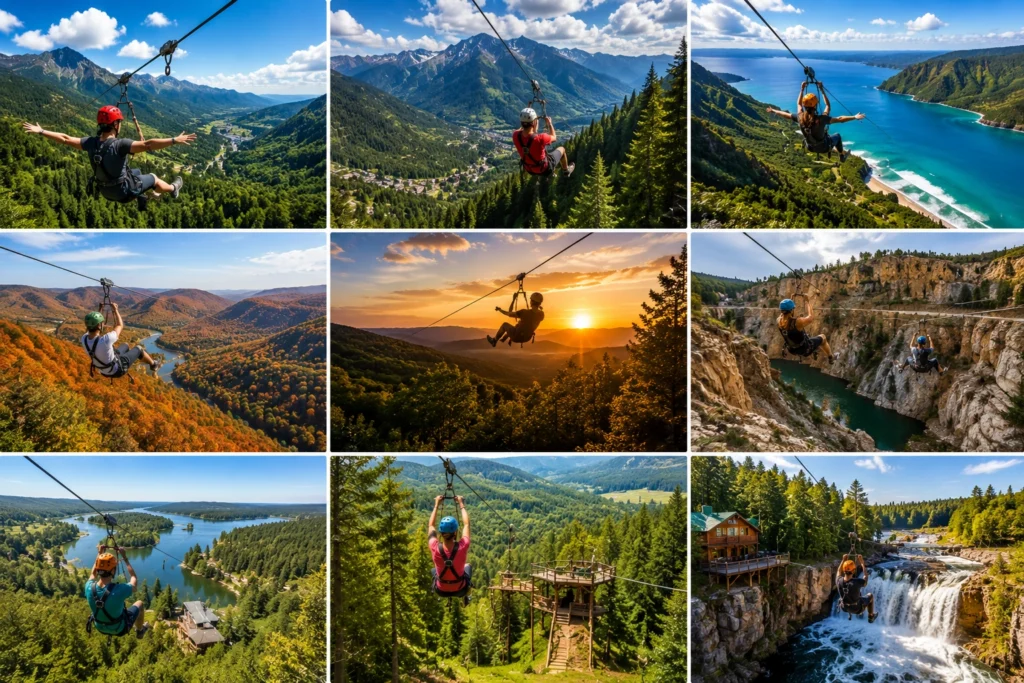
Whether you picture a jungle canopy in Hawaii, a mountain descent in Colorado, or a friendly tree-to-tree course in the Minnesota Northwoods, the best zip lines in the USA have a wider variety of terrain, speed, and scenery than most first-timers expect. Some send you screaming across a canyon at highway speed. Some are designed to help nervous flyers get started with the sport, one gentle line at a time. This guide walks along all those lines, and the stuff that no one tells you until you’re standing on the platform sweating through your jacket because you wore the wrong thing.
What Actually Makes a Zip Line “The Best
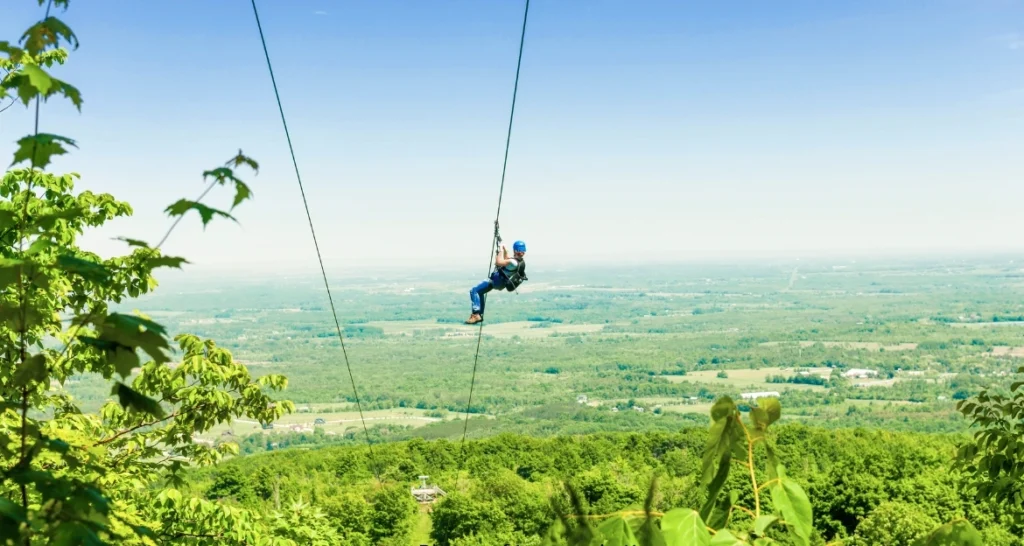
Before ranking anything, it’s important to understand what separates a forgettable zip line from one you’re going to talk about for years. It’s usually a matter of four things: the place from which you’re flying over, the length and speed of the lines themselves, the quality of guides’ training, and how smooth the operation is going to take you through check-in, getting into it, and the safety briefing.
A course with jaw-dropping views but disorganized staff will leave you frustrated. A perfectly run operation over a flat, unremarkable field won’t give you much to remember. The best zip lines manage to nail both, and that’s the bar this list uses.
What Makes a Zip Line Tour “Beginner-Friendly”?
Not every course on a best zip lines list is really a good starting point for someone who’s never done this before, and it’s worth knowing the difference before you book. A good beginner ZIP LINE tour should have a few things in common: shorter opening lines (often in the 300- to 800-foot range) that build up gradually rather than throwing you into the longest run first, guides who walk through the entire process instead of rushing the briefing, and a tandem option so a nervous first-timer can ride clipped in alongside a guide rather than solo.
Courses designed for thrill-seekers tend to go straight to speed and distance. That’s not a flaw; it’s just a different kind of day. Knowing which category a course falls into before you arrive saves you from either being bored on a tame line or terrified on one that’s more advanced than you bargained for.
Top Zip Line Destinations Across the USA
1. Hunter Mountain, New York: Longest in North America
Tucked into the Catskills about two hours from New York City, this course has built its reputation on sheer scale: multi-mile lines running hundreds of feet above the forest floor, reached through a training run at the on-site pilot school before you’re cleared to fly. It’s a serious ZIP LINE tour for people who seek distance and speed, not just a scenic float between two platforms.
2. Whistler, British Columbia: The Sasquatch
Just across the border but worth mentioning for anyone planning a Pacific Northwest trip, the Sasquatch zip line spans more than a mile across a valley lined with old-growth trees. The ride up via gondola is nearly as memorable as the zip itself.
3. Camelback Mountain, Pennsylvania
This one swaps the traditional harness for a seated “zip-flyer” style ride, which changes the whole sensation; you’re not dangling, you’re flying feet-first down a 4,000-foot line at speeds that can hit 60 mph. It’s one of the more unique entries among ZIP LINES USA has to offer, and it works well for riders who want intensity without rock-climbing-level upper body strength.
4. Kualoa Ranch and North Shore, Oahu, Hawaii
Zip lining over the jungle valleys that have served as filming sites for Jurassic Park and Lost gives Hawaii a permanent spot on any serious list. The scenery does most of the heavy lifting here; you’re soaring over ridgelines and rainforest canopy with the Pacific visible in the distance.
5. Navitat Canopy Adventures, Asheville, North Carolina
The Blue Ridge Mountains version of a canopy tour, Navitat ties together multiple lines in a mature forest for over a mile of flight distance. Here, guides are known to take longer to work with nervous first-timers, so it’s a good option to take someone who might be on the fence about going or not with the whole idea.
6. Ocala/Marion County, Florida
Most people don’t associate Florida with elevation, but this course runs over limestone canyons and includes the longest zip over water in the country. It’s proof that a best zip lines list shouldn’t just be a mountain-state contest.
7. Kerfoot Canopy Tour and Brainerd Zip Line Tour, Minnesota
The Minnesota Northwoods probably isn’t the first place an individual might think of when they think about zip lining, but the Brainerd Lakes Area has quietly built one of the more popular regional operations in the Midwest. Brainerd Zip Line Tour is at Mount Ski Gull in Nisswa, and has seven lines and a suspension bridge of about 15 miles long along Gull and Agate Lakes with an optional 50-foot free-fall finish for those who want more adrenaline.
If you’re weighing Brainerd zip line tour reviews before booking, the pattern across independent travel write-ups and repeat visitors is pretty consistent: guides are singled out by name almost every time, the two-hour pace feels well-managed rather than rushed, and the training run before the first real line does a genuinely good job calming nerves. Kerfoot Canopy Tour in Henderson operates a longer 14-line, mile-plus route, and stays open during the winter, whereas Brainerd closes seasonally because the lines share space with the mountain’s ski operations. Both are owned by the same family-owned company, and both are there when people are looking for a reliable ZIP LINE tour in the Upper Midwest instead of a coastal or mountain-state destination.
8. Historic Banning Mills, Georgia
Laced with one of the longest zip line canopy tours in North America, this Georgia property mixes long, fast lines with a truly wild property, a raptor rehabilitation center and lakeside lodge on the grounds.
What to Expect on Your First ZIP LINE Tour
Almost every operator on this list runs guests through the same basic sequence, regardless of whether you’re in a Hawaiian rainforest or a Minnesota pine forest, so it helps to know the rhythm ahead of time.
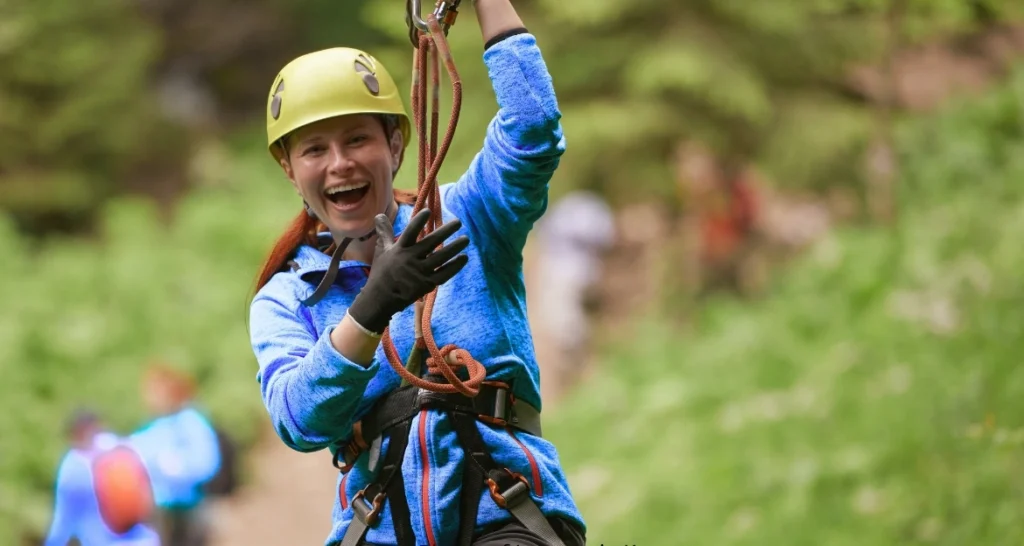
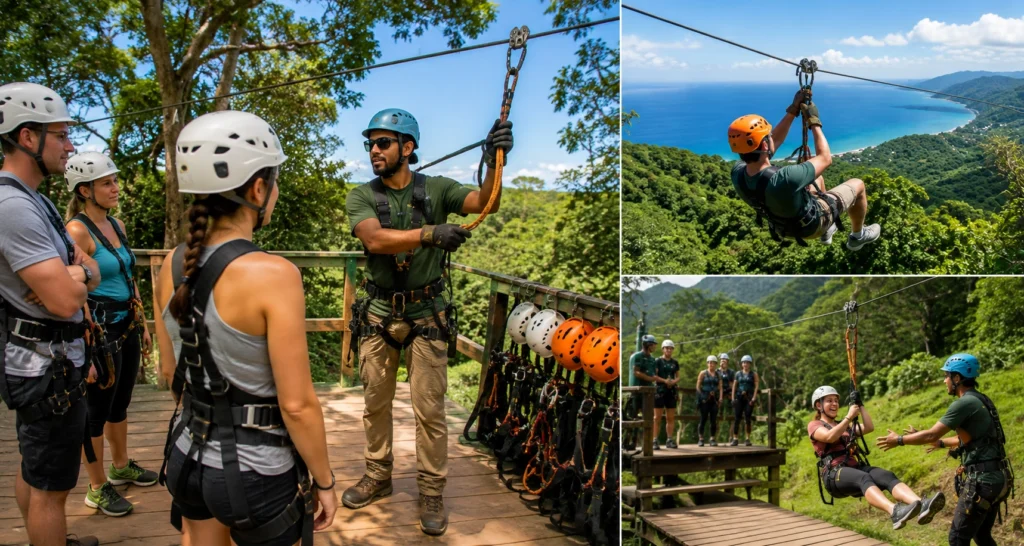
You will be fitted for your harness and helmet and will go through a ground-level safety briefing on hand signals and braking. Most courses then have you practice clipping in and braking on a low demonstration cable before you ever step onto the ground; this is the stage that quietly turns “nervous” into “ready” for most first-timers. Then your guides will take you to the first platform, which is intentionally the shortest and lowest line on the course.
By the third or fourth line, most people have completely forgotten they were nervous. The best zip lines are built around that exact arc: start small, build confidence, then let the views and speed take over.
Zipline Weight Limit: What You Actually Need to Know Before Booking
This is the part almost nobody researches until they’re already mid-booking and staring at a confusing rule on a tour operator’s website, and it trips up more travelers than you’d think, especially families booking multiple people at once.
Every course has a zipline weight limit, and it varies drastically from one course to another. Most operators land at least 70–280 pounds, though some go as low as 40 pounds at the minimum level and as high as 285 on the maximum, depending on the course design. Some operators, such as Historic Banning Mills in Georgia, also set certain maximums for men and women based on how weight distribution affects speed and landing.
The physics behind both numbers is not judgment. A gravity zip line cable sags in the middle by design; you build momentum down to that low point and then coast into the landing platform. Riders under the minimum zipline weight limit don’t build enough momentum and stop short of the platform, which is not dangerous but is certainly an awkward way to end a run. Riders over the maximum build too much speed coming into the landing zone, which is the real safety concern maximums are designed to prevent, not the strength of the cable itself, which is typically rated to hold several thousand pounds.
A few practical takeaways:
- Always check the specific operators’ posted limits before booking, not a general number from a blog (including yours). Each course is designed differently.
- Tandem lines generally limit the combined weight of both riders, which is important if you are going to zip alongside a child.
- Most operators weigh guests at check-in quietly and privately to confirm they are within range for the equipment they are using that day.
- If you’re near a limit, call ahead. Many operators will offer direction or alternatives to your tour plan rather than turn you away.
What to Wear for Ziplining (So You’re Not the Person in Flip-Flops)
Every operator has a version of this list and for good reason; showing up in the wrong outfit is the single most common reason first-timers have an uncomfortable day. Here’s what really matters when it comes to what to wear for ziplining:
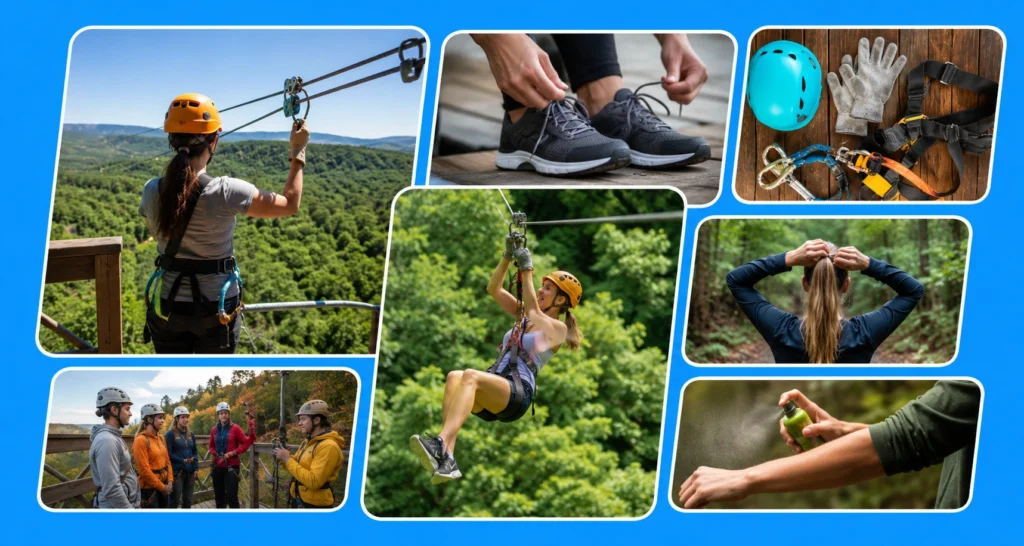
Closed-toe shoes are non-negotiable. Sneakers or hiking shoes with secure laces are ideal. Sandals, flip-flops, and slip-on shoes are turned down at nearly every course in the country, not because you are looking to wear a different style but because an open shoe can slip off mid-line or get caught in equipment.
Athletic, fitted clothes are better than loose layers. Baggy shirts, scarves, and loose jackets may catch on the harness hardware or the cable itself. Leggings, joggers, or athletic shorts with a fitted top don’t hurt in most seasons.
Dress for the season, not just for the activity. In cooler months, thin moisture-wicking layers under a fitted jacket keep you warm without bulk; gloves are also helpful, since you stay on the brake line and cold metal cable gets uncomfortable fast. But in the summer, breathable sweat-wicking fabric and sunscreen are more important than you’d think because you’ll be standing on exposed platforms in direct sun between lines. A hat is usually fine on the ground, but gets swapped for the helmet once you’re on course, so pack something you can stash in a pocket.
Don’t wear jewelry and tie back long hair. Dangling necklaces and bracelets are a snag risk, and most helmets are more comfortable with hair pulled into a low ponytail rather than a high bun.
If you’re headed into a wooded area, make sure to take bug spray. Forest-based courses, particularly in humid Southeast or Upper Midwest regions, come with mosquitoes and ticks in season. A permethrin-treated outer layer is an appropriate last layer if you’re prone to bites.
When you have the right clothes to wear for ziplining, it doesn’t just mean comfort; a properly dressed rider is also a safer one because loose fabric and open footwear are two of the most common reasons guides pull someone aside before a tour even starts.
Working Through the Fear of Heights
A fear of heights is one of the biggest reasons people put off trying any of the best zip lines on this list for years, and it’s also one of the easiest fears to deal with in a controlled setting like this because of the equipment and guides designed for it.
One thing that really helps is to tell your guide before the tour starts so they can pace your briefing and give you extra reassurance rather than finding out mid-line; focusing on the horizon rather than looking straight down, which is the same thing that helps with ladder or balcony anxiety, and remembering that you’re double-clipped to a cable designed to hold thousands of pounds, the fear response and the actual risk are two very different things. Starting on a tandem line with a guide, where available, takes the decision-making entirely out of your hands for that first run.
Most operators will tell you the same thing: the shortest opening line exists specifically to let nervous flyers test the harness and the cable at low stakes before the course builds up. Almost everyone who arrives anxious ends the day asking when they can book the next one.
Tips for Your First Time on a Zip Line
If this is your first run at any of the best zip lines on this list, some things are going to make it easier:
- Arrive at least 15 minutes early. Rushing through gear-fitting sets a stressful tone for the whole tour.
- Listen during the safety briefing, even if you have watched enough YouTube videos to think you know what’s coming. Each course’s braking system and hand signals are different.
- Just eat something light before you get into it; a heavy meal plus nerves plus movement rarely go well.
- Ask your guides questions. They have seen every version of “what happens if I stop in the middle” and would rather hear it than have you white-knuckle through the first line in silence.
- If you are nervous, say so before you go on the platform. Most guides are good at talking first-timers through it, and there are tandem options in many courses for that reason.
Final Thoughts
The best zip lines in the USA cover a genuinely wide range: coastal jungle canopies, mile-long mountain descents, and approachable Midwest courses that ease you in one line at a time. What matters most isn’t chasing the single longest or fastest option in the country; it’s picking a course that matches your comfort level, checking the zipline weight limit ahead of time so nobody in your group gets turned away at check-in, and dressing the part so the only thing you’re thinking about on the platform is the view. Pick one from this list, book ahead for peak season, and go find that two seconds of weightlessness for yourself.
FAQs
1. What is the best zip line in the USA?
Ans: There isn’t a single universal answer; it depends on what you want. Hunter Mountain in New York is usually considered the longest and fastest option in North America, while Oahu and Asheville are good for the landscapes, and family-friendly Midwest courses like Brainerd or Kerfoot are good for approachability for nervous first-timers.
2. Is there a standard zipline weight limit?
Ans: No. Most courses set their maximum somewhere between 250 and 280 pounds and their minimum between 40 and 90 pounds, but the exact range depends entirely on how each course was engineered. Always confirm with the specific operator before booking.
3. What should I wear ziplining if it’s hot outside?
Ans: Breathable, fitted athletic wear, closed-toe shoes, and sunscreen. Avoid anything loose or sleeveless enough to expose skin to harness straps, and take a refillable water bottle if the course allows it on the trail between platforms.
4. Are Brainerd zip line tour reviews generally positive?
Ans: Yes, across independent travel blogs and repeat visitors, the most consistent praise centers on the guides, the well-paced two-hour format, and the lake views from Mount Ski Gull. The most common critique is a poorly marked entrance from one direction, which is worth noting before you drive up.
5. Can kids zip line, and is there an age minimum?
Ans: Most courses set a minimum age around 7 to 10, often paired with a minimum weight requirement rather than age alone. Many operators also require an accompanying adult for guests under 16.
6. Do I need prior experience to try a zip line tour?
Ans: No. The vast majority of courses across the country, including everything on this list, are built for complete beginners. Almost every ZIP LINE tour includes ground-level training before you’re ever clipped into a real line.
7. Can I zip line at night?
Ans: Some operators run seasonal night or moonlight tours with headlamps and added lighting along the course, though it’s far less common than standard daytime tours and availability shifts year to year. If a nighttime run interests you, check directly with the operator, since most courses default to daylight hours only.