

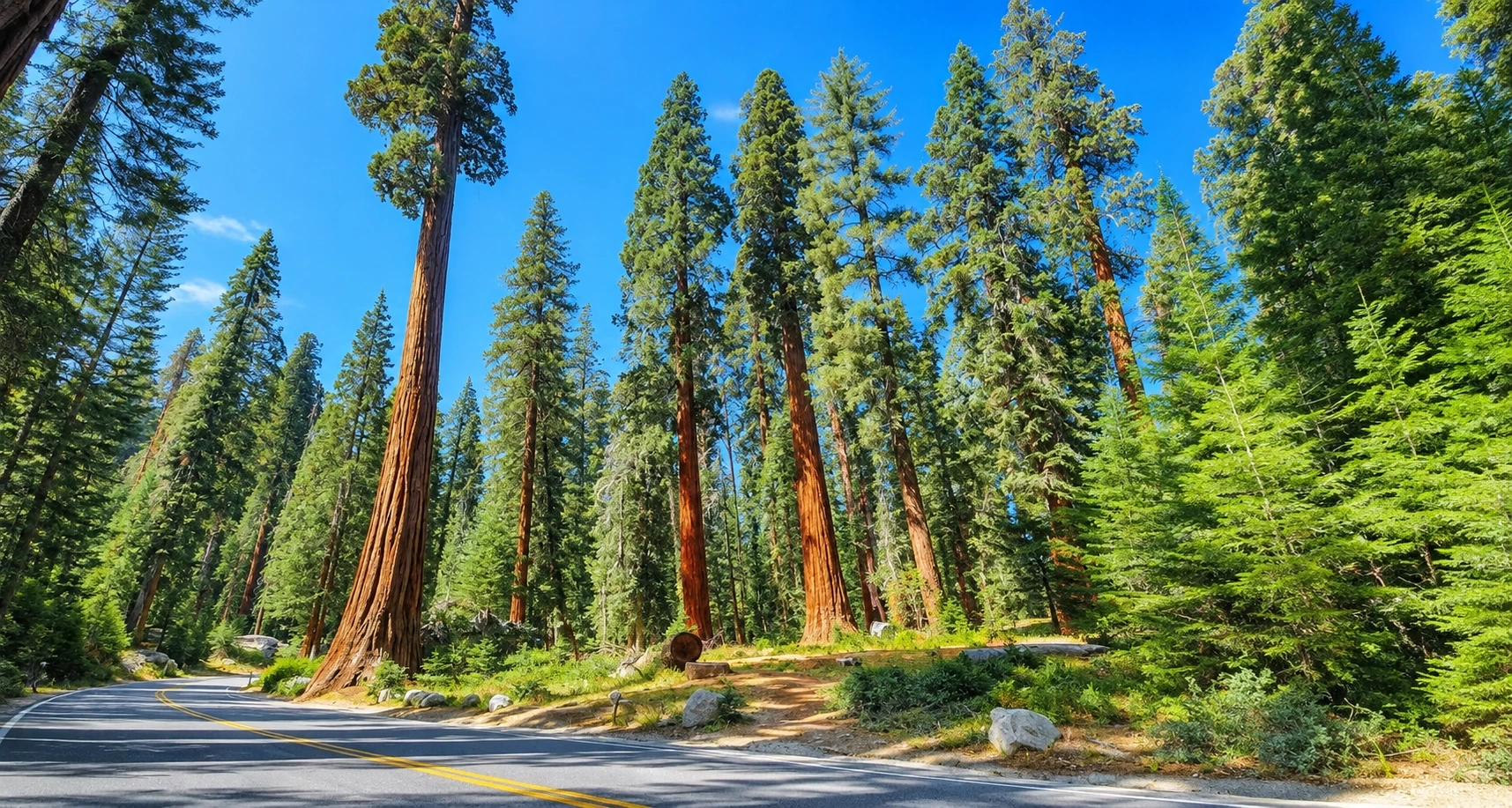
Start your day under 2,000-year-old sequoias in the Sierra Nevada and end it watching the sun drop below Badwater Basin, the lowest point in North America. You can do both in one state. The National Parks in California go from the foggy Redwood Coast in the far north to the cactus-studded desert near the Mexican border, and no other state is so close. There are nine of them in California, more than anywhere else in the country, and each one protects a landscape you cannot find anywhere else on Earth.
This guide maps out each park, tells you what makes each one worth the drive, and answers the practical questions travelers actually type into Google before they book. You will find current 2026 entrance fees, the smartest way to read a National Parks Map of the state, and a season-by-season plan so you can visit the National Parks in California at the right time of year instead of the wrong one.
How Many National Parks Are in California?
California has nine national parks, the most of any U.S. state, followed by Alaska with eight and Utah with five. Yosemite, Sequoia, Kings Canyon, Death Valley, Joshua Tree, Redwood, Lassen Volcanic, Pinnacles, and Channel Islands are all among them.
If you have ever searched for how many national parks in California and seen numbers like 28 or 34, here is the reason for the confusion:
- There are nine official “national park” designations.
- Around 25 more are national monuments, historic sites, seashores, and recreation areas operated by the National Park Service.
- Together, they form roughly 34 NPS units, which is where the higher numbers come from.
The nine flagship parks are the ones to make an itinerary around for a classic parks trip.
Where Are California’s National Parks on the Map?
The easiest way to read a National Parks Map of the state is to think in three bands running north to south. This mental map saves you from backtracking across a state that takes 12 hours to drive end to end.
- Far North: Redwood National Park is on the coast near the Oregon border. Lassen Volcanic anchors the inland north near Redding.
- Central Sierra and Coast: Yosemite, Sequoia, and Kings Canyon line up along the Sierra Nevada east of Fresno. Pinnacles hide in the Gabilan Range to the south of the Bay Area. Channel Islands float off the coast near Ventura.
- South and Desert: Death Valley straddles the Nevada border east of the Sierra. Joshua Tree is inland from Palm Springs.
Any National Parks Map of California provides a clear pattern: lush and green to the north, arid and dramatic to the south. Plan clusters, not marathons. The Sierra trio goes well together, and the two desert parks form a natural southern loop. Redwood in the far north to Joshua Tree in the south is a 14-hour drive, so trying to link opposite ends in a long weekend leaves you staring at the windshield instead of the scenery.
What Makes Yosemite National Park So Famous?
Yosemite is the park that put California on the postcard rack. Granite walls rise 3,000 feet straight up, waterfalls thunder into the valley each spring, and a single meadow view can stop you mid-sentence.
- Location: Sierra Nevada, about 3.5 hours east of San Francisco.
- Don’t miss: Tunnel View, Half Dome, El Capitan, Bridalveil Fall, and the Mariposa Grove of giant sequoias.
- Entrance fee: $35 per vehicle for seven days. Yosemite went cashless, so bring a card.
- Reservations: The park has changed its way of entering for 2026, so you can drive up without a day-use booking.
- Best season: Waterfalls are at their best in April and June.
- Tioga Road to the high country is closed until late May.
- Traveler tip: Be there before 8 a.m. in the summer to have valley parking before the crowds come and fill it.
Why Do Giant Trees Grow in Sequoia and Kings Canyon?
These two parks sit side by side and share one entrance, so treat them as a pair. Sequoia protects the largest trees on the planet by volume; Kings Canyon cuts one of the deepest gorges in North America right next door.
- Location: Southern Sierra Nevada, about 4 hours from Los Angeles.
- Don’t miss: General Sherman Tree, the largest tree on Earth, plus Moro Rock and the Kings Canyon Scenic Byway.
- Entrance fee: $35 per vehicle for seven days, valid for both parks on one pass.
- Non-resident note: Both are among the 11 parks with the new $100 per-person surcharge for visitors from outside the U.S.
- Best season: Late spring through fall. Snow closes the high roads in winter, and chains are often required on the drive in.
- Where to stay: Wuksachi Lodge is located in Sequoia, and the gateway cities of Three Rivers and Visalia have cheaper beds a short drive from the entrance.
- Traveler tip: Walk the Congress Trail loop past Sherman to get away from the tour bus jam around the parking lot.
Is Death Valley Really the Hottest Place in America?
Death Valley earns every superlative. It is the hottest, driest, and lowest national park in the country, and it recorded the highest air temperature ever measured on Earth. It’s also stranger and more beautiful than its name suggests.
- Location: Eastern National Parks in California on the Nevada border, about 2 hours from Las Vegas.
- Don’t miss: Badwater Basin at 282 feet below sea level, Zabriskie Point at sunrise, Mesquite Flat Sand Dunes, and Artist’s Palette.
- Entrance fee: $30 per vehicle for seven days (cashless at the gates).
- Best season: October through April. Summer highs are above 120°F.
- March bonus: After a wet winter, the valley floor can erupt into a wildflower superbloom, one of the desert’s rarest shows.
- Traveler tip: Fill your gas tank and water bottles before you go in. Services inside are sparse and pricey.
What Is There to Do in Joshua Tree National Park?
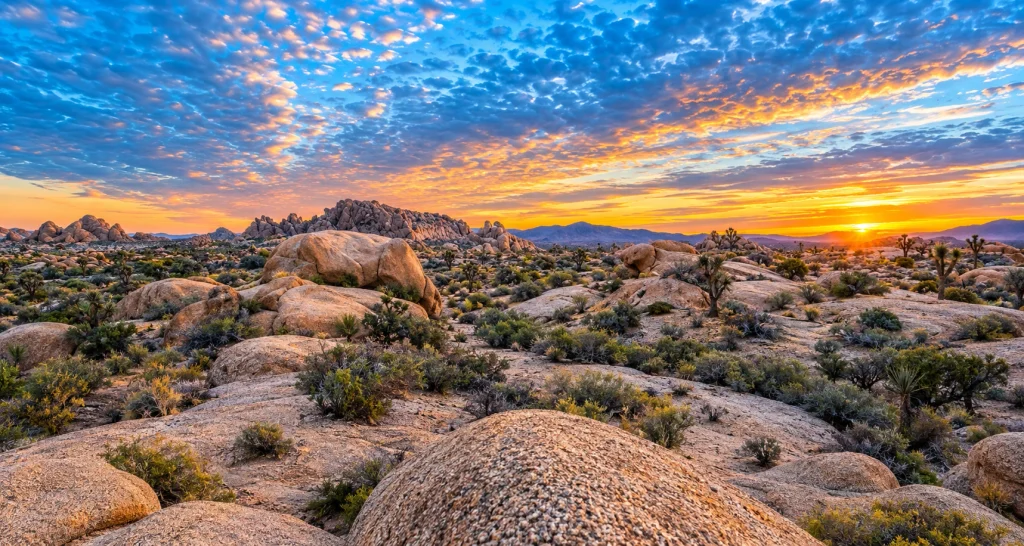
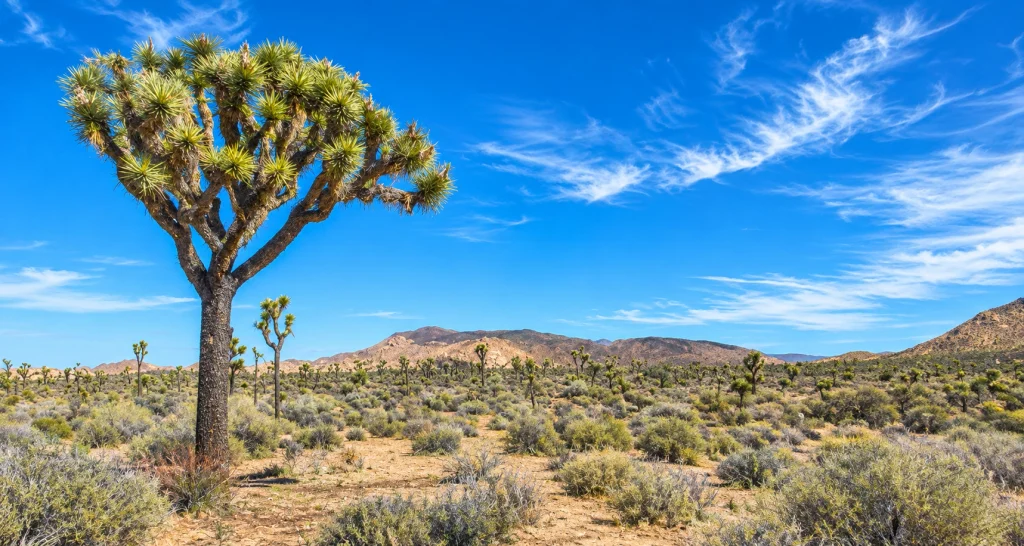
Joshua Tree lies where two deserts meet, the high Mojave and the low Colorado, which gives it a split personality. Twisted Joshua trees dot one side of the park, spiky ocotillo and cactus gardens are spread out on the other side, and boulder piles the size of houses attract climbers from all over the world.
- Location: Inland from Palm Springs, about 2.5 hours east of Los Angeles.
- Don’t miss: Hidden Valley, Cholla Cactus Garden, Keys View, and Arch Rock at golden hour. Entrance fee: $30 per vehicle for seven days.
- Best season: October through April, with wildflowers in the lower desert from late winter to spring.
- Stargazing: The park is a certified Dark Sky location, so get a blanket and stay after dark.
- Traveler tip: There is no water and no gas in the park. Stock up in Twentynine Palms or Joshua Tree town.
Where Can You See the Tallest Trees at Redwood National Park?
Redwood protects the tallest living things on Earth, coast redwoods that top 350 feet. The long drive north keeps the crowds thin, and the reward is a cathedral of trees, fern canyons, and elk-filled meadows against a wild coastline.
- Location: Far northern National Parks in California coast, about 5 hours north of San Francisco.
- Don’t miss: Tall Trees Grove, Fern Canyon, Lady Bird Johnson Grove, and Roosevelt elk at Prairie Creek.
- Entrance fee: Free. Redwood has no entrance fee at all.
- Permits: Tall Trees Grove and Fern Canyon require a free advance day-use permit in peak season.
- Best season: Late spring through early fall for the driest weather, but the forest is green year-round.
- Traveler tip: The coastline is often foggy in summer, which makes the redwoods feel even more otherworldly.
What Makes Lassen Volcanic National Park Unique?
Lassen is the park most Californians drive past without knowing it exists, and their loss is your gain. It packs all four types of volcanoes into one compact park, with boiling mud pots, steaming fumaroles, and alpine lakes that mirror the peaks above.
- Location: Inland northern California, approximately an hour east of Redding.
- Don’t miss: Bumpass Hell hydrothermal basin, the Lassen Peak trail, and Manzanita Lake at sunrise.
- Entrance fee: Seasonal. Roughly $30 per vehicle in the snow-free months and less in winter.
- Best season: July to September, when the park highway melts out.
- Winter note: The main road closes to cars in winter and becomes a snowshoe and ski route.
- Traveler tip: Bumpass Hell is the state’s best hydrothermal walk short of leaving for Yellowstone.
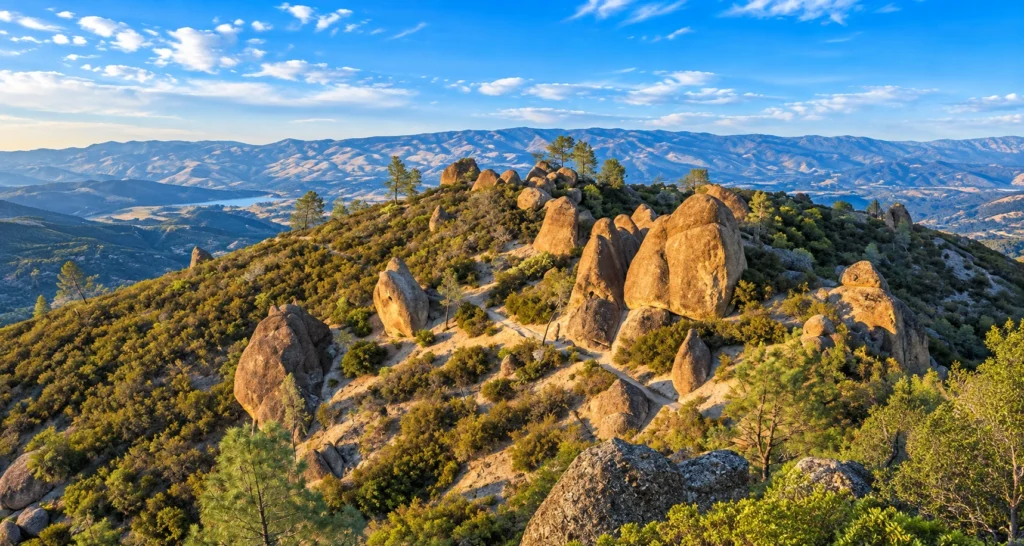
Is Pinnacles National Park Worth Visiting?
Pinnacles is the youngest and smallest national park, born from an ancient volcano that plate tectonics dragged nearly 200 miles from its origin. The jagged spires and talus caves make it a favorite for climbers and anyone looking for a National Parks in California condor riding the thermals.
- Location: Gabilan Range, roughly 2 hours south of San Francisco.
- Don’t miss: Bear Gulch Cave, High Peaks Trail, and condor viewing at dusk.
- Entrance fee: $30 per vehicle for seven days, cashless at the gate.
- Best season: Spring and fall. Summer bakes above 100°F with little shade.
- Heads up: The east and west entrances of the park don’t connect by road inside the park.
- Traveler tip: Bring a headlamp for the talus caves, and check if they’re open since bat season closes them.
How Do You Get to Channel Islands National Park?
Channel Islands is the park you can’t drive to, which makes it wonderfully wild. You’re on a boat that takes you across the channel to five rugged islands called the Galapagos of North America, and the islands are home to plants and animals found nowhere else.
- Location: Islands off the coast of Ventura and Oxnard.
- Getting there: A ferry with the park’s concessionaire or a private boat is a good way to get there.
- Don’t miss: the sea caves on Santa Cruz Island, the lighthouse and arch in Anacapa, and the island fox.
- The entrance fee for the park is free. You pay for boat transport, not park entry.
- Best season: Spring for wildflowers, summer and fall for the calmest water.
- Wildlife: Check for blue and humpback whales on the crossing from late spring to fall, plus sea lions hauled out on the rocks year-round.
- Traveler tip: There are no services on the islands. Carry all your food, water, and gear, and pack out your trash.
Which Are the Best National Parks in California?
A few of the best national parks in California would answer that question, but a few of the best are still top of the list if you’re looking to see the classic California landscape for the first time.
Yosemite wins for icon status, as it is the most well-known of the best national parks in the state and the one photo everyone knows.
For giant trees: Sequoia and Kings Canyon carry the largest trees on Earth on one ticket.
For desert drama, Death Valley and Joshua Tree are both the best national parks in California for winter and spring family trips.
For solitude: Redwood, Lassen, and Channel Islands are quiet even in high season.
For a quick trip, Pinnacles fits into a single day from the Bay Area.
If you want to get to the best national parks without racing the clock, pick one cluster and go deep instead of attempting to get all nine in one vacation.
What Are the Best National Parks to Visit in March?
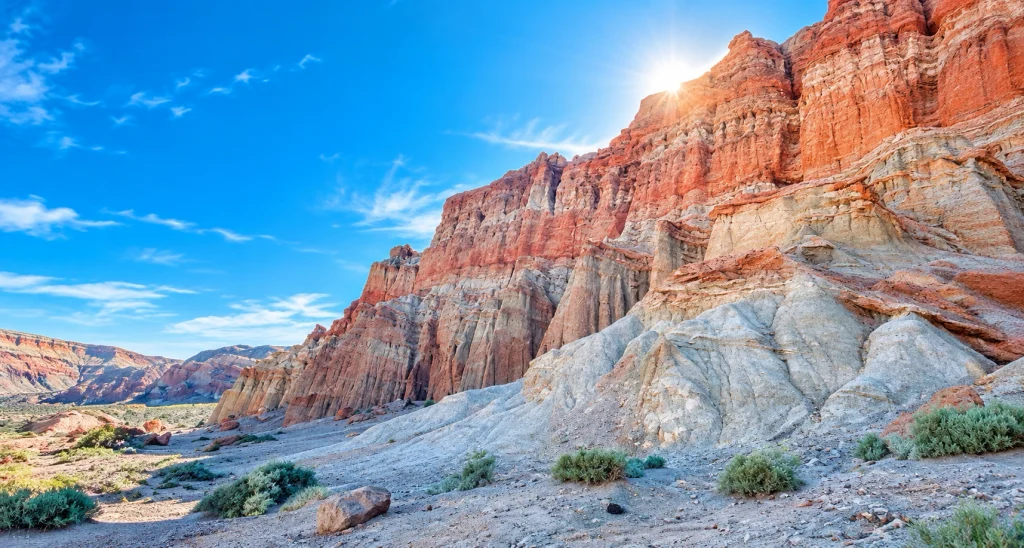
March offers desert travelers a chance to go. Winter crowds have thinned, summer heat is still weeks away, and a wet winter can trigger wildflowers, which makes the desert parks the clear pick for the best national parks to visit in March.
Death Valley: March is the best month. Mild days, cool nights, and the chance of a superbloom on the valley floor.
Joshua Tree: Great climbing and hiking weather, and wildflowers start in the lower desert. Aim for early March to avoid spring break crowds.
Pinnacles: Spring greens up the hills, and condor sightings pick up in the mild weather.
Channel Islands: Wildflowers are blooming, and the island fox is active, though the channel crossing can be choppy.
Skip for now: Yosemite’s high country and the Sierra parks are buried in snow, so save them for summer.
For the single best March experience among the best national parks to visit in March, point your car towards Death Valley or Joshua Tree and check the park’s wildflower report before you go.
What Is the Best Time to Visit California’s National Parks?
No single month suits every park, because the National Parks in California span desert floor to alpine summit. Match the season to the region, and you avoid closed roads, brutal heat, and empty overlooks blanketed in fog.
Winter (December to February):
Desert time. Death Valley and Joshua Tree have comfortable daytime temperatures, and the Sierra parks are bundled up in snow. Lassen’s road shuts down to cars and becomes a ski route.
Spring (March to May):
The sweet spot of the Southern Parks. Wildflowers bloom in the deserts, pinnacles green up, and Channel Islands wake up with color. Yosemite’s waterfalls run hardest in May.
Summer (June to August):
Peak season for the mountains. Yosemite’s high country opens, Sequoia and Kings Canyon shed snow, and the trails in Lassen’s Peak are clear of snow, and the mountain is clear. Don’t go to Death Valley unless you like triple-digit heat.
Fall (September to November):
It is probably the best all-around season. Crowds thin, the Sierra glows, and the desert cools back into hiking weather.
Reading the calendar this way makes a scattered wish list into a route. Chase the mountains in summer, the deserts in winter and spring, and treat fall as the reliable catch-all for almost every one of the National Parks in California.
Do You Need a National Parks Pass for California?
If you have at least two or three parks to visit each year, you’re going to make a National Parks Pass pay off fast. What is the calculation of options in 2026?
- America the Beautiful Annual Pass: $80 for twelve months. This National Parks Pass covers entrance to all 400-plus federal sites, including all National Parks in California that charge for admission.
- Who it covers: The passholder plus up to three adults in the same vehicle. Kids under 16 always enter for free.
- Where to buy: Online at the government store, at any staffed entrance station, or at recreation.gov.
- Single park math: At $30 to $35 per vehicle per park, the National Parks Pass is good for about three park visits and breaks even.
- Free parks: Redwood and Channel Islands have no entry fee, so you can just go to them without any National Parks Pass.
New for 2026: Visitors from outside the U.S. will now pay a $100 per-person surcharge at Yosemite and Sequoia & Kings Canyon and can buy the $250 nonresident annual pass instead. The ten fee-free days in 2026 apply only to U.S. citizens and residents.
The Final Word: Building Your California Parks Trip
Nine parks, one state, and a range of landscapes you would normally cross continents to see. The smart move is not to chase all of them at once. Choose the coast redwoods and Lassen for a northern loop, the Sierra giants for a mountain week, or Death Valley and Joshua Tree for a desert escape in March. Take the National Parks Pass if your route hits three or more, save this National Parks Map for planning, and let the National Parks in California take you on a trip that photos never quite capture. The only hard choice is where to start.
FAQs
1. How many national parks are in California?
Ans: California has nine official national parks, the most of any state. Including monuments, seashores, and historic sites, the total number of National Park Service units in National Parks in California is around 34.
2. What is the most visited national park in California?
Ans: Yosemite draws the most visitors, with about 4 million a year, followed by Joshua Tree and Sequoia. Its granite walls and waterfalls are the most popular stops for most first-time visitors.
3. Can I visit all nine California National Parks in one trip?
Ans: You can, but you need to plan for two to three weeks and a lot of driving because they all span the state. Most of the time, people choose a region like the Sierra trio or the two desert parks to visit, and they’re going to explore it fully.
4. Is the America the Beautiful pass worth it in California?
Ans: Yes, if you visit three or more fee-charging parks in one year. At $80, it covers entry to every California park that charges a fee and pays for itself quickly on a multi-park road trip.
5. Which California national park is the best for families?
Ans: Yosemite and Sequoia are best for families with easy valley walks, giant trees kids love, and ranger programs to check out. Joshua Tree also does well for its short trails and boulder scrambling.
6. Do any of the California national parks require reservations?
Ans: Yosemite dropped its timed-entry system for 2026, so no day-use booking is required there. A few parks also require free advance permits for specific trails, like Tall Trees Grove at Redwood.