

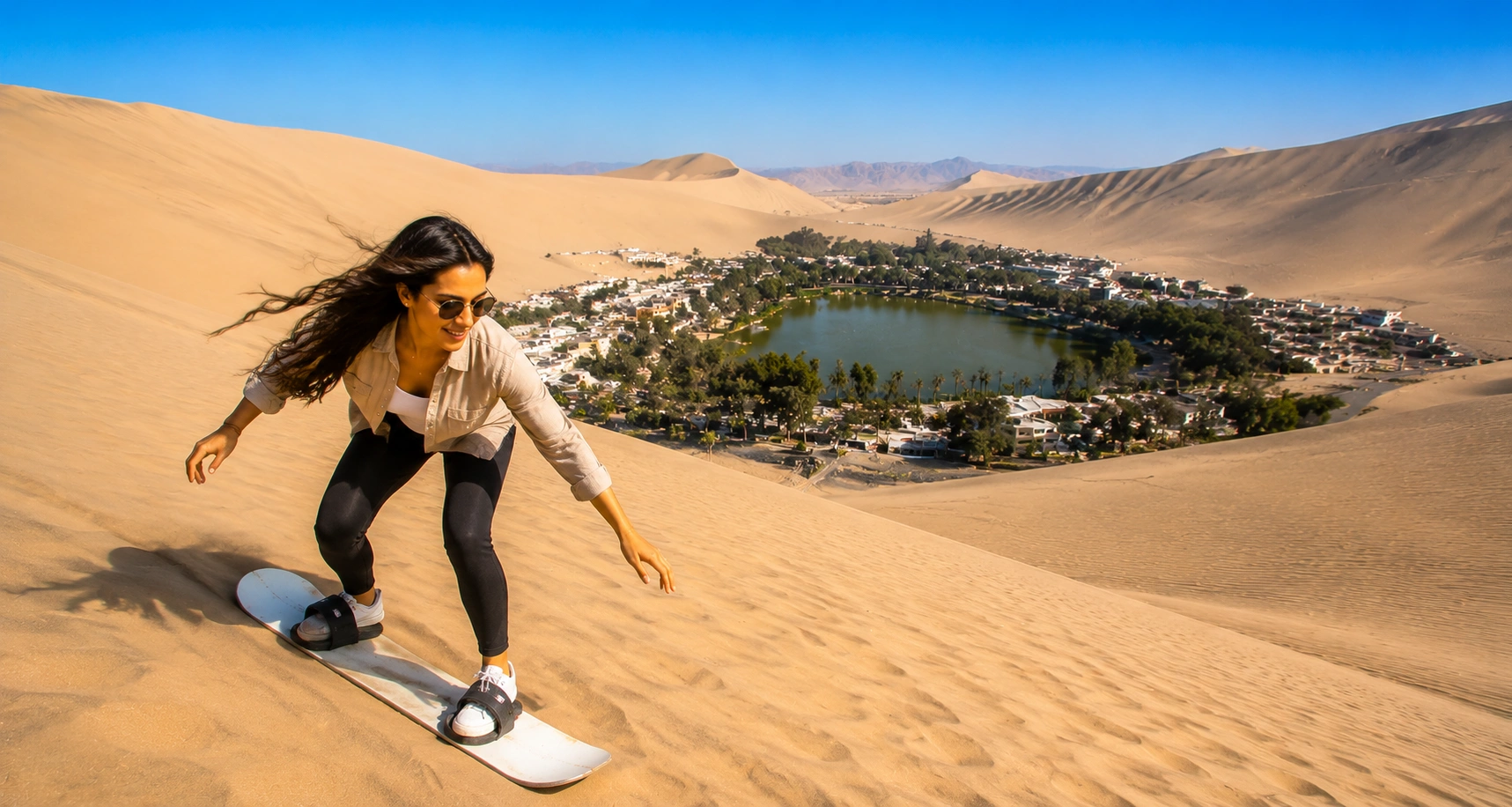
Picture standing at the top of a colossal sand dune, board strapped to your feet, with nothing but golden desert stretching to the horizon. This is the thrill that draws travelers from around the world to one small oasis town in southern Peru. Sandboarding has become one of South America’s most talked-about adventure activities, and few places deliver the experience quite like Huacachina.
Tucked into the desert near the city of Ica, Huacachina is a natural oasis ringed by some of the tallest sand dunes on the continent. What was once a quiet stopover for passing travelers has turned into a bucket-list destination for anyone chasing adrenaline, dramatic sunset views, and a genuinely unique outdoor adventure.
Whether you’re a first-timer wondering whether sandboarding is difficult, or you’re comparing tour options and pricing before you book, this guide covers everything you need to know. You’ll learn how sandboarding works, what a typical Huacachina Sandboarding Price looks like, the best months to visit, what to pack, how to get there, and the safety habits that keep the ride fun rather than risky.
By the end, you’ll understand exactly why sandboarding in Huacachina deserves a spot on your Peru itinerary — and how to make the most of it.What Is Sandboarding?
Sandboarding is an answer, in 45 words: Sandboarding is an adventure sport in which riders slide or glide down sand dunes on a board, either standing up or lying flat. It uses waxed boards for speed and requires no prior board-sport experience, making it one of the most beginner-friendly desert activities in the world.
How Does Sandboarding Work?
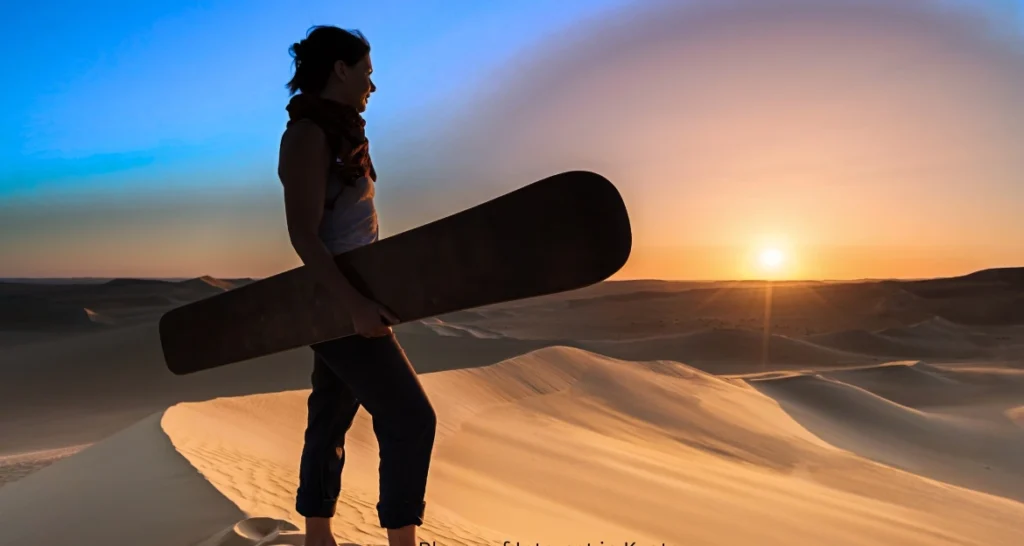
At its core, Sandboarding works the same way snowboarding does — a rider uses a board to slide down a slope using gravity and momentum. The main difference is the surface. Sand creates far more friction than snow, so boards need heavy waxing before every run to reduce drag and pick up speed.
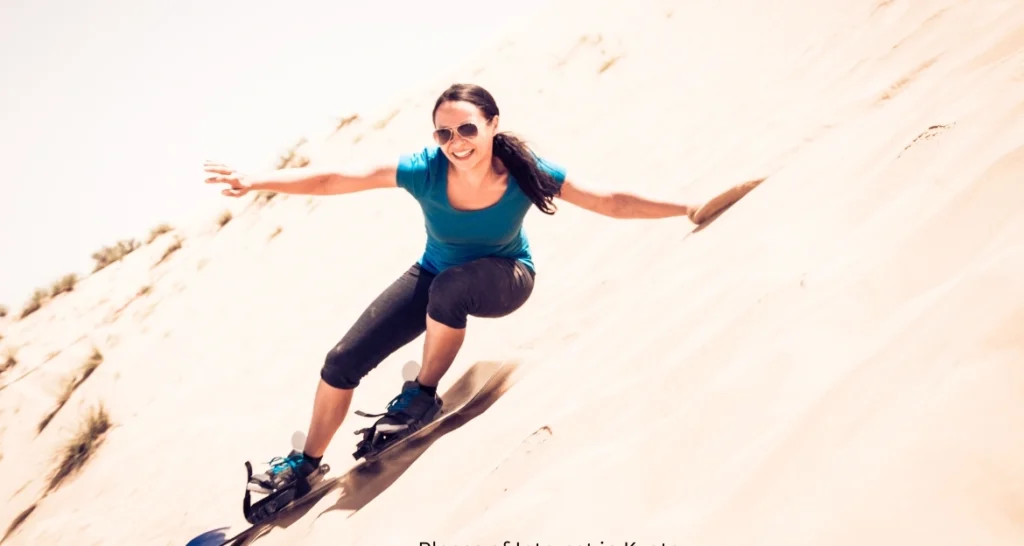
Riders can choose between two styles. Standing sandboarding mimics snowboarding, with the rider’s feet strapped into simple foot straps rather than rigid bindings. Lying-down sandboarding, where the rider lies face-first on the board, is generally considered easier for beginners because it requires less balance and delivers a faster, more thrilling descent.
The boards themselves are usually made from laminated wood rather than fiberglass, since wood holds wax better on abrasive sand. Unlike snowboarding, there are no boots, bindings, or heavy winter gear involved, which is part of why so many first-time travelers try Sandboarding in Huacachina without any prior experience.
Why Huacachina Is the Best Place for Sandboarding in Peru
Discover Huacachina Desert Oasis
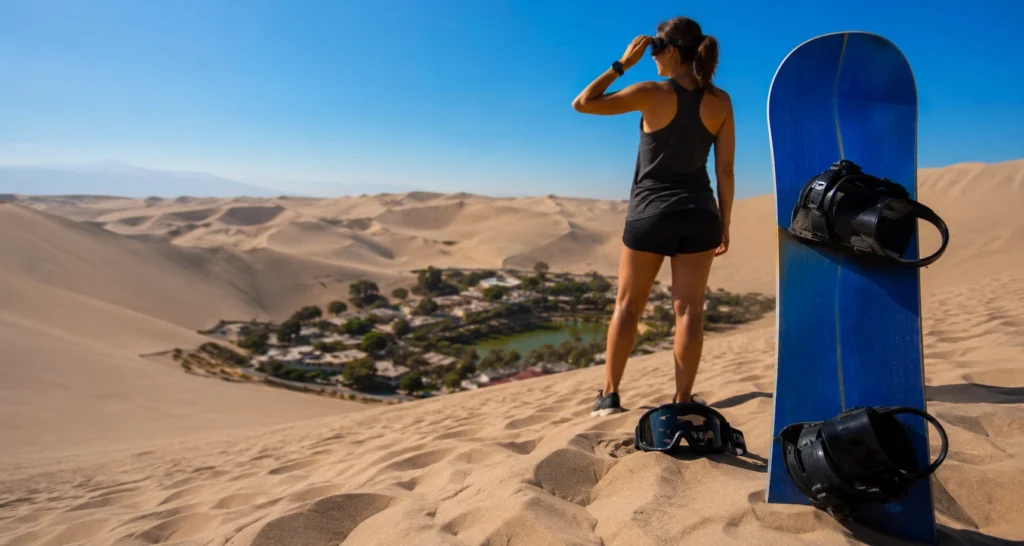
About five hours south of Lima, and just a short ride from the city of Ica, Huacachina is a small desert oasis built around a natural lagoon. Palm trees line a small lake, hotels and hostels sit along the water’s edge, and just beyond the last building, an enormous desert takes over completely.
The dunes surrounding Huacachina rank among the tallest in South America, with several peaks rising well over 100 meters. This dramatic landscape, combined with the oasis’s compact, walkable layout, has made Huacachina one of Peru’s most visited and most photographed adventure destinations.
Why Choose Sandboarding in Huacachina?
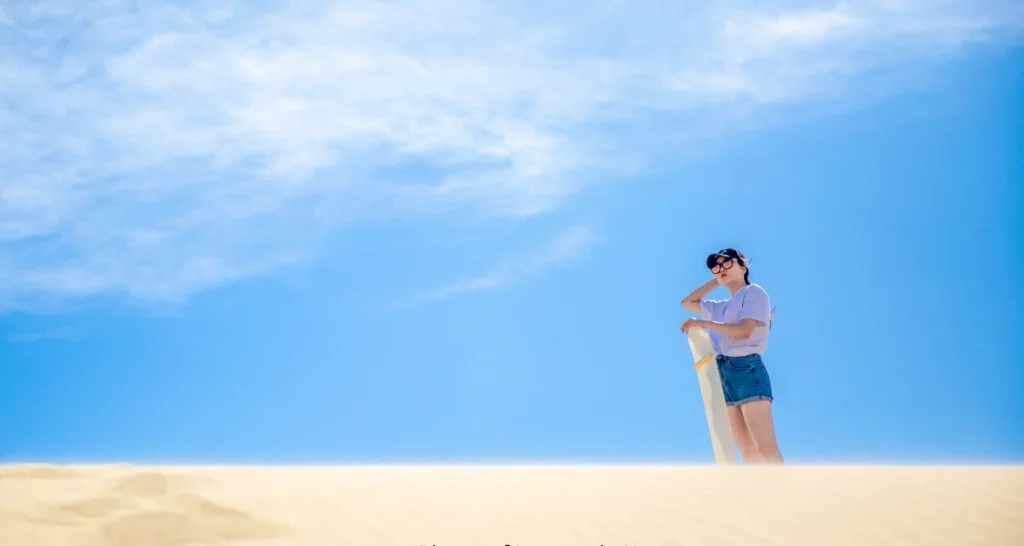
Few destinations combine scale, accessibility, and atmosphere the way Huacachina does. Here’s why so many travelers choose Sandboarding in Huacachina over other desert locations in the region:
- Massive, steep dunes suited to both nervous beginners and thrill-seekers
- Gentler beginner-friendly slopes located close to the oasis itself
- Golden-hour lighting that makes sunset runs genuinely unforgettable
- Easy pairing with a dune buggy ride, giving you two adventures in one outing
- A compact town where tour operators, hotels, and restaurants are all within walking distance
For travelers researching Sandboarding In Peru more broadly, it’s worth knowing that while other desert regions exist, none match Huacachina’s combination of dune height, easy access, and built-in tourist infrastructure.
My Experience With Sandboarding in Huacachina
Arriving at the Desert Dunes
Our dune buggy left Huacachina just as the afternoon heat began to soften. Within minutes, the palm trees and hostels disappeared behind us, replaced by an ocean of sand in every direction. The driver killed the engine near a ridge, and the silence that followed was almost startling — no traffic, no voices, just wind moving over the dunes.
The guide unloaded a stack of boards from the back of the buggy and handed us each a block of candle wax. It was a strange first task for an ‘adventure sport’ — kneeling in the sand, rubbing wax across the underside of a board — but it set the tone for how approachable the whole afternoon would be.
Learning the Basics
Our guide didn’t waste time on theory. He demonstrated the lying-down technique on a smaller slope first: chest flat on the board, hands gripping the front edge, chin up, weight centered. He explained that the biggest beginner mistake wasn’t going too fast, but leaning too far back, which causes the nose of the board to dig into the sand and stop abruptly.
A few of us tried standing up instead, treating it more like snowboarding. It took a couple of short, tumbling attempts to find any real balance, but falling into soft sand turned every mistake into a laugh rather than an injury. That forgiving landing is probably the single biggest reason Sandboarding feels so much less intimidating than it looks from the top of a dune.
Riding Down the Massive Sand Dunes
The real test came at the largest dune of the afternoon. From the top, the slope looked almost vertical, and the buggy below looked the size of a toy. Lying flat, gripping the front edge, I pushed off — and the acceleration was immediate. There’s a strange, weightless second at the start of a steep run, followed by a rush of wind and sand spray that makes it impossible not to grin.
By the third or fourth dune, our small group had gone from nervous first-timers to arguing over who could go fastest. As the sun started dropping toward the horizon, the sand turned a deep orange-gold, and our guide timed the final run so we’d finish just as the light hit its most dramatic point. Watching that sunset from the crest of a dune, boards resting beside us, is still one of the most memorable travel moments from our time in Peru.
How Difficult Is Sandboarding for Beginners?
One of the biggest questions travelers ask before booking is simple: is Sandboarding actually hard? The honest answer is no — not for the lying-down style most tours default to. Standing sandboarding takes more practice, but even that comes with a forgiving landing surface that softens the learning curve considerably.
Is Sandboarding Easier Than Snowboarding?
For most beginners, yes. The table below compares the two directly:
| Feature | Sandboarding | Snowboarding |
|---|---|---|
| Surface | Soft, forgiving sand | Hard-packed snow or ice |
| Falling | Usually painless | Can cause real impact injuries |
| Equipment | Simple board, no boots or bindings | Specialized boots, bindings, warm gear |
| Learning curve | Beginner-friendly, quick to pick up | Requires more time and practice |
Tips for First-Time Sandboarders
- Start on smaller dunes before attempting the tallest ones
- Listen closely to your instructor’s technique demonstration
- Keep your weight centered rather than leaning back
- Wear protective gear like goggles or sunglasses to keep sand out of your eyes
- Practice the stopping technique before picking up serious speed
Sandboarding Tour in Huacachina: What to Expect
Typical Sandboarding Tour Experience
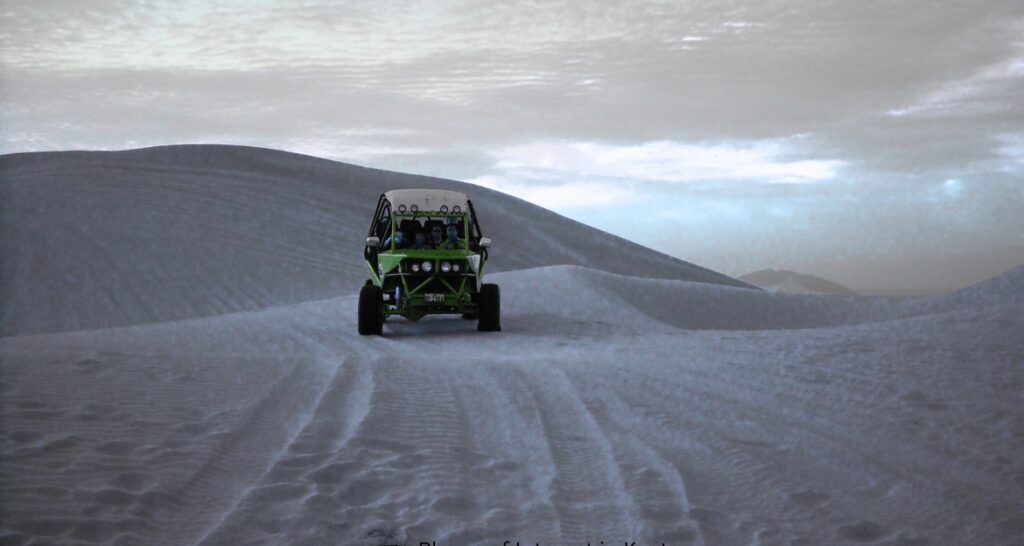
Most operators combine sandboarding with a dune buggy ride, so you’re not just walking to each slope. A standard Sandboarding Tour usually includes:
- Pickup from your hotel or hostel in Huacachina
- A high-speed dune buggy ride across the desert
- Boards and wax provided on-site
- Multiple dune runs of increasing difficulty
- A sunset stop timed for photos before heading back
Tours typically depart in the late afternoon so the group finishes right around sunset, when temperatures cool down and the lighting is at its best.
Private Lesson vs Group Tour
Both formats are available in Huacachina, and the right choice depends on your budget and comfort level:
| Feature | Group Tour | Private Tour |
|---|---|---|
| Cost | Lower | Higher |
| Guidance | Basic group instruction | One-on-one instructor attention |
| Best for | Budget travelers, groups of friends | Nervous beginners, families with kids |
Huacachina Sandboarding Price: Complete Cost Guide
Cost is usually the deciding factor for travelers comparing options, and the Huacachina Sandboarding Price varies depending on the type of tour, group size, and season. Here’s a general breakdown:
| Tour Type | Average Price | Duration |
|---|---|---|
| Basic dune buggy + boarding | $15–30 | 1–2 hours |
| Group tour | $25–50 | 2 hours |
| Private lesson | $70+ | 2–3 hours |
A few things that affect the final Huacachina Sandboarding Price:
- Prices tend to rise slightly during peak travel season (June to August)
- Higher-quality, well-waxed boards can push group tour prices up
- Private instructors and smaller group sizes cost noticeably more
Booking directly through a hostel or a reputable local operator in Huacachina is usually cheaper than booking the same tour through a third-party site from home.
Best Time for Sandboarding in Huacachina
Huacachina Weather Conditions
Huacachina sits in a true desert climate, meaning dry conditions and strong sun for most of the year. Mornings tend to be calm and clear, while afternoons bring stronger winds that can shift sand across the dune faces — something guides usually account for when picking routes.
| Season | Experience |
|---|---|
| May–September | Cooler temperatures, more comfortable for daytime activity |
| October–April | Warmer desert conditions, intense midday heat |
Regardless of season, sunset tours remain the most popular choice, since temperatures drop and the lighting is far more flattering for photos than the harsh midday sun.
What to Wear for Sandboarding in Peru
Packing right makes a real difference to comfort during a Sandboarding In Peru excursion. Here’s a simple checklist:
Clothing
- Light, breathable clothing
- Comfortable closed-toe shoes or sandals with straps
- Long socks to help keep sand out of shoes
- Sunglasses or goggles
- Sunscreen with strong SPF
Things to Carry
- A refillable water bottle
- A camera or GoPro for sunset shots
- A light jacket for the cooler evening ride back
- A bandana or scarf for dust protection
How to Get to Huacachina, Peru
From Lima to Huacachina
Most travelers reach Huacachina by first heading to Ica from Lima. Long-distance buses run regularly and are the most common option, with several companies offering comfortable, reclining seats for the journey. The trip generally costs a modest fare and takes several hours, making it an easy addition to a broader Peru itinerary.
From Ica to Huacachina
Once in Ica, Huacachina is only a short taxi or tuk-tuk ride away. Many hostels in Huacachina can also arrange pickup directly from the Ica bus terminal, which is worth asking about when you book your stay.
| Route | Approximate Time |
|---|---|
| Lima → Ica | 4–5 hours by bus |
| Ica → Huacachina | 10–20 minutes by taxi |
Other Things to Do Near Huacachina
Visit Ica Vineyards
Ica is one of Peru’s main wine and pisco-producing regions. Several vineyards near Huacachina offer tastings and tours, making for a relaxed contrast to a day spent on the dunes.
Explore Nazca Lines
A few hours south of Huacachina, the mysterious Nazca Lines can be viewed from a small aircraft or an observation tower, and many travelers combine both stops into one Peru desert itinerary.
Enjoy Desert Sunset Views
Even without a board, simply walking up a nearby dune at sunset is worth doing at least once — the changing light over Huacachina’s oasis and lagoon is one of the most photographed views in Peru.
Try Dune Buggy Adventures
Most sandboarding operators already bundle in a dune buggy ride, but some travelers choose to book a longer buggy tour on its own for an extended, high-speed exploration of the surrounding desert.
Sandboarding Safety Tips
- Choose a trusted, well-reviewed tour operator rather than the cheapest option available
- Wear goggles or sunglasses to protect your eyes from blowing sand
- Follow your instructor’s guidance on technique and dune choice
- Stay hydrated, especially during warmer months
- Avoid the steepest dunes until you’re confident with the basics
Conclusion
Huacachina remains Peru’s top desert adventure destination for a reason. It pairs beginner-friendly slopes with some of the tallest dunes in South America, all wrapped around a genuinely charming little oasis town. Whether you’re gliding down your first small dune or racing down the tallest one at sunset, Sandboarding in Huacachina delivers an experience that’s as accessible as it is memorable.
Add the dune buggy ride, the golden desert light at sunset, and the ease of reaching Huacachina from Lima or Ica, and it’s easy to see why this activity keeps landing on so many travelers’ must-do lists. Plan your Peru adventure and experience the unforgettable thrill of riding the Huacachina dunes.
FAQs
1. Is sandboarding in Huacachina worth it?
Ans: Yes. Huacachina offers some of the tallest, most accessible dunes in South America, along with sunset views and an easy dune buggy pairing that make the experience worth the stop for almost any traveler in Peru.
2. How much does sandboarding cost in Huacachina?
Ans: The Huacachina Sandboarding Price generally ranges from about $15 for a basic dune buggy and boarding session up to $70 or more for a private lesson, depending on group size and season.
3. Is sandboarding difficult for beginners?
Ans: No. Most tours start with lying-down technique, which requires minimal balance, and the soft sand makes falls far less painful than on other board sports, so most beginners pick it up within their first few runs.
4. What is the best month for sandboarding in Peru?
Ans: May through September offers cooler, more comfortable temperatures for Sandboarding In Peru, though the activity runs year-round since Huacachina’s desert climate stays dry throughout the year.
5. Do I need previous snowboarding experience?
Ans: No prior experience is needed. Guides teach the basics on-site, and the lying-down style used by most beginners doesn’t require the balance or technique that snowboarding demands.
6. How long does a sandboarding tour last?
Ans: A typical Sandboarding Tour lasts between one and two hours for a group tour, including the dune buggy ride, while private lessons often run closer to two to three hours.