

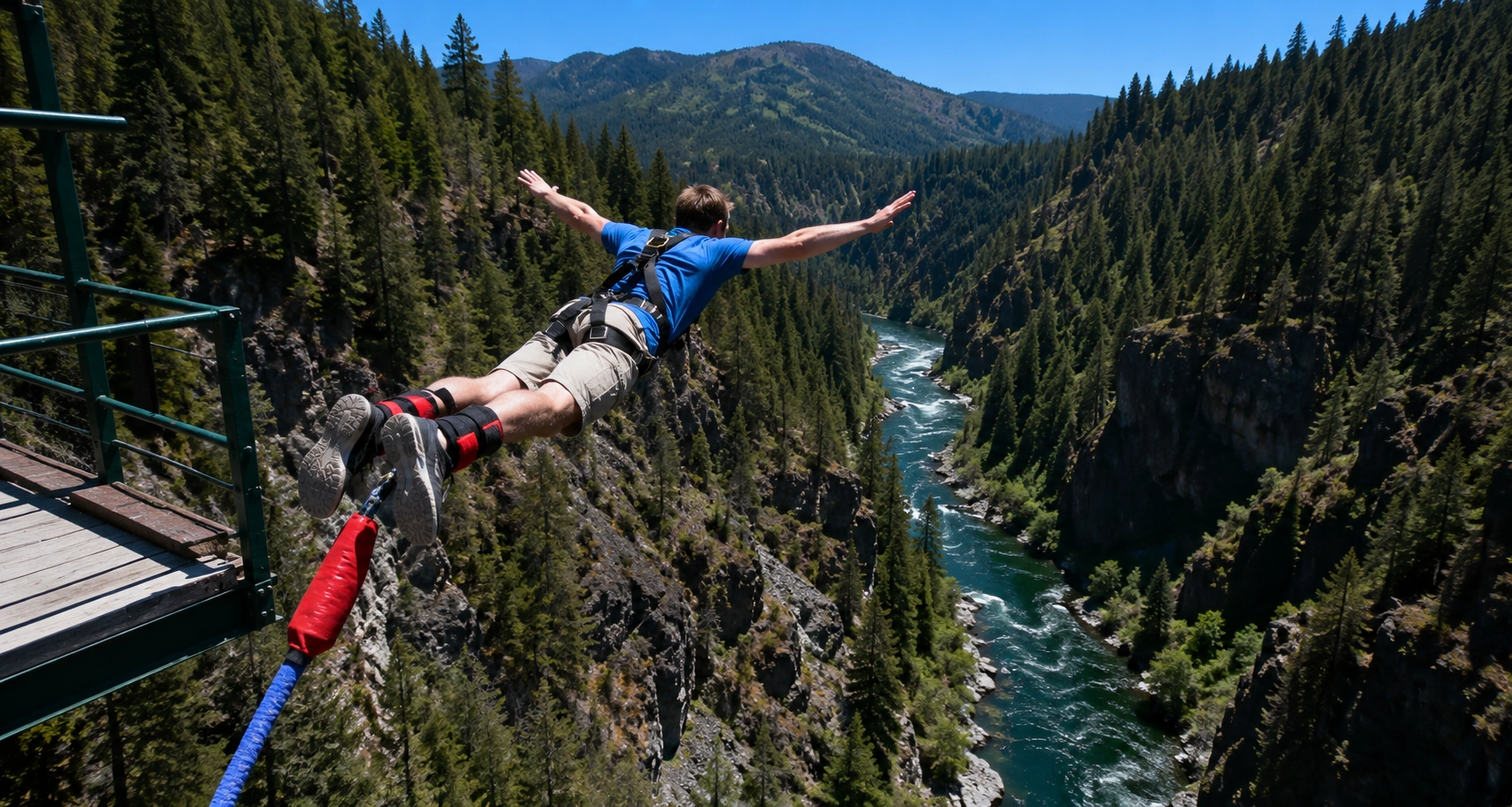
Few adventures in the Pacific Northwest match the rush of bungee jumping in Oregon. Standing on a steel platform bolted to the side of the Crooked River High Bridge, looking 300 feet down into a rust-colored canyon, is not something most people forget. It’s one of the reasons Bungee Jumping Oregon has become a bucket-list search term for thrill seekers across the country.
Central Oregon is home to one of the highest commercial bungee jumps in North America, run out of a dramatic canyon near Terrebonne, just north of Bend. Unlike jumps that take place off cranes or amusement-park towers, this one happens over a real river gorge, framed by high desert cliffs and pine forest — the kind of scenery that turns a five-second free fall into a lasting memory.
This guide is built for people who are still deciding, not just for people who’ve already booked. We’ll cover exactly where to jump, how safety works, what it costs, who can participate, what to wear, and how to prepare mentally and physically. We’ll also compare Oregon’s jump to other well-known bungee destinations in the U.S., so you know how it stacks up before you commit.
Whether you’re a first-timer trying to talk yourself into it or a repeat jumper planning a trip to Central Oregon, here’s everything you need to know about bungee jumping in Oregon — the height, the price, the safety record, and the experience itself.
What Makes Bungee Jumping Oregon Unique?
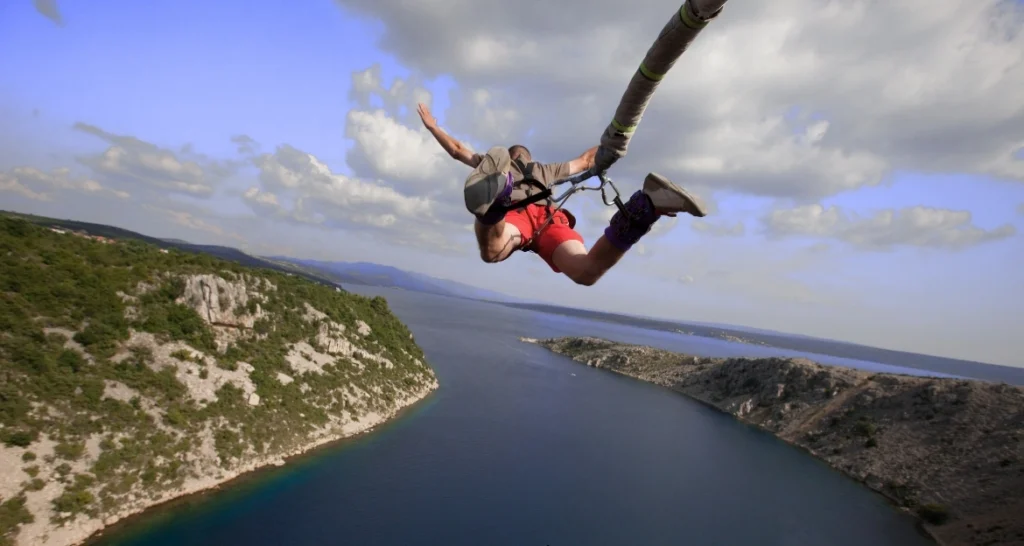
Oregon has built a reputation as one of the country’s top states for outdoor adventure, and bungee jumping in Oregon fits right into that identity. The state already draws climbers to Smith Rock, kayakers to the Deschutes River, and skiers to Mount Bachelor — bungee jumping adds a vertical thrill to that same high-desert playground.
Why Oregon Is Famous for Adventure Sports
Central Oregon’s combination of canyons, rivers, and volcanic terrain creates natural launch points that most states simply don’t have. The region’s dry climate also means more predictable weather for outdoor operators, which matters a great deal for an activity that depends on calm wind conditions.
Highest Commercial Jump in North America
The jump from the Crooked River High Bridge is regularly cited as one of the highest commercial bungee jumps in North America, with a free fall from roughly 300 feet above the river. That height is part of what separates Bungee Jumping Oregon from smaller crane-based jumps found at fairs or amusement parks.
Why Thrill Seekers Love It
It isn’t only the height. The setting — a historic railroad-era bridge suspended over a basalt canyon — gives jumpers several seconds of free fall with a view most people only see from a helicopter. That combination of scale and scenery is why the jump keeps showing up on regional “must-do” adventure lists.
Where Can You Experience Bungee Jumping in Oregon?
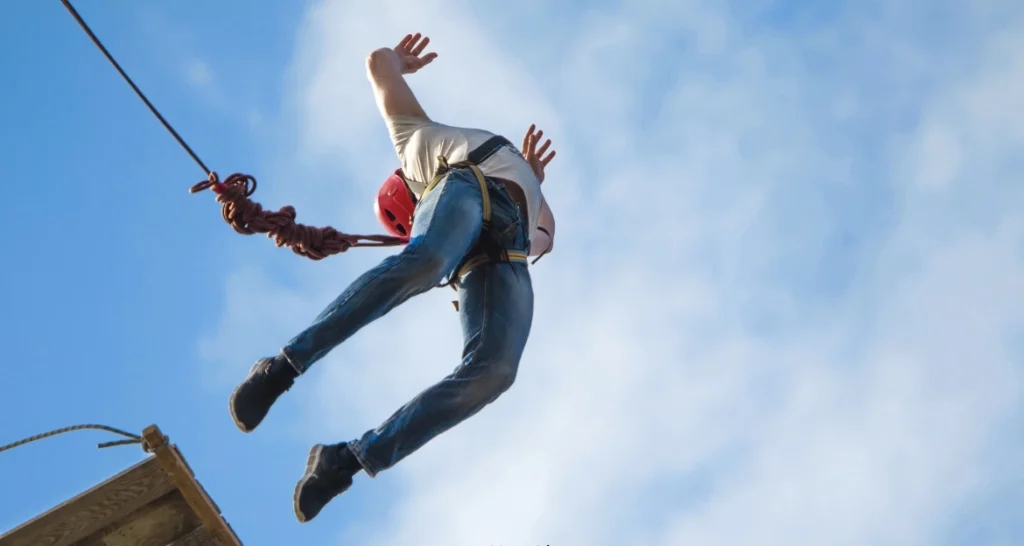
If you’re searching for bungee jumping Oregon locations, there is really one primary commercial site worth knowing about, plus the surrounding scenic area that makes the trip worthwhile.
Crooked River High Bridge
This is the main jump site, located near Terrebonne in Central Oregon, a short drive from Redmond and about 25 minutes from Bend. The historic railroad bridge sits parallel to a newer highway bridge, both crossing the Crooked River Gorge.
Peter Skene Ogden State Scenic Viewpoint
Right next to the bridge, this state park offers public parking, restrooms, and viewpoints where friends and family can watch jumpers without paying for the experience themselves. It’s a good stop even if you’re not jumping, since the canyon views are dramatic on their own.
Scenic Surroundings
The canyon walls show layered volcanic rock formed over thousands of years, and the river below is a popular fishing and rafting spot. Jumpers get a rare vantage point of this landscape that most park visitors never see.
Accessibility
The site is reachable by car from Highway 97, with paved parking close to the viewpoint. It’s an easy add-on to a Central Oregon road trip that also includes Smith Rock or Bend.
About Central Oregon Bungee Adventures
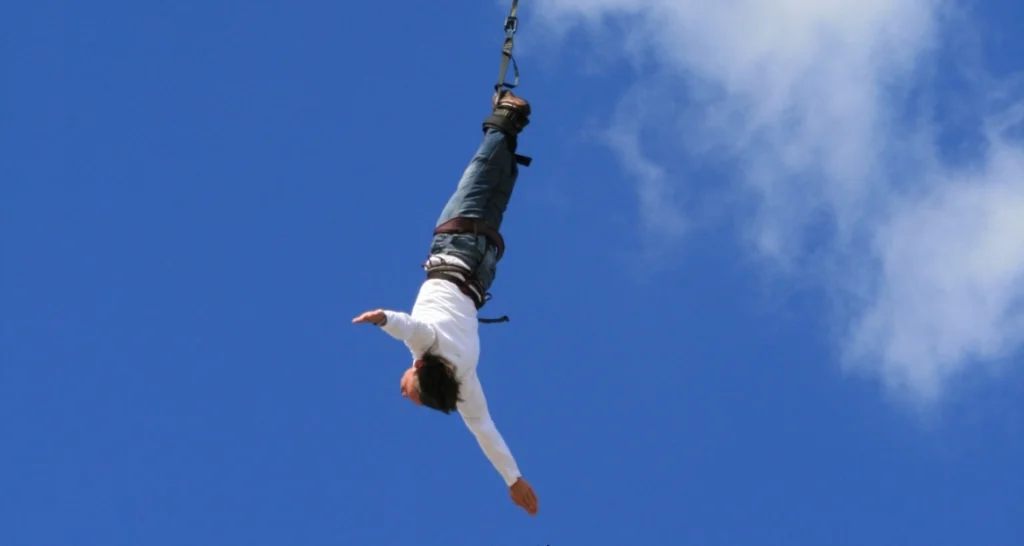
Central Oregon Bungee Adventures operates the commercial jump at the Crooked River High Bridge and is the main operator most people book with when researching Bungee Jumping Oregon.
Company Overview
The operator specializes exclusively in bridge Bungee Jumping Oregon at this single location, rather than running a chain of sites. That focus tends to translate into a crew that knows the bridge, wind patterns, and rigging setup extremely well.
Experience
The company has run jumps at this site for years, building a track record with thousands of completed jumps and a strong regional reputation among adventure travelers.
Safety Record
Commercial Bungee Jumping Oregon operators in the U.S. are subject to general amusement and recreation safety standards, and reputable companies — including this one — publish or can confirm their safety protocols, equipment inspection routines, and staff certifications on request.
Professional Instructors
Jump crews typically include certified riggers and jump masters who handle harness fitting, cord attachment, and the final safety check before every jump.
Equipment
Expect dynamic Bungee Jumping Oregon cords rated for the jumper’s specific weight, full-body or ankle harnesses depending on the jump style offered, and carabiners and connection hardware rated for climbing and rigging use.
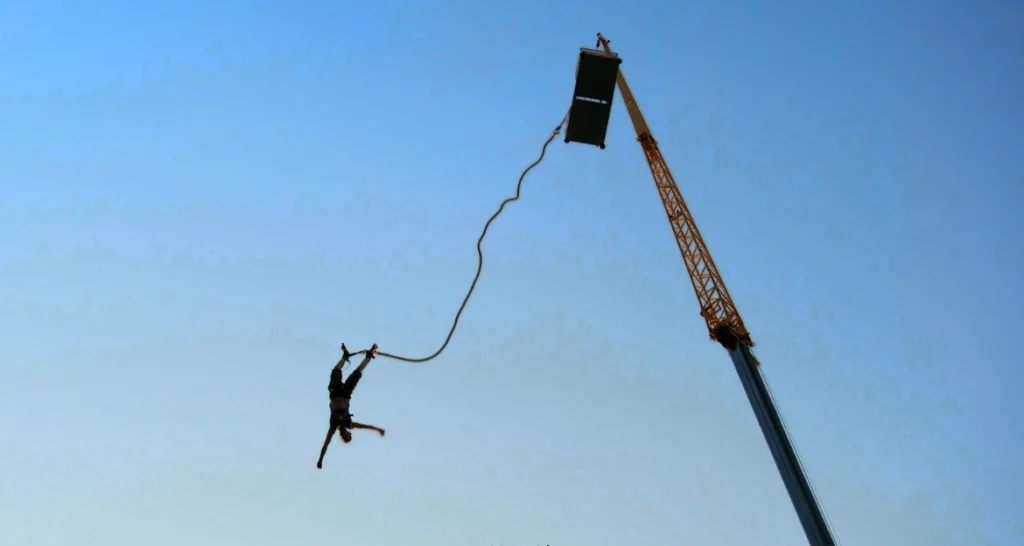
Crooked River High Bridge Explained
| Fact | Detail |
|---|---|
| Location | Near Terrebonne, Central Oregon |
| Bridge height above river | Approximately 300 feet |
| Jump type | Free-fall bridge bungee |
| Bridge history | Built in the early 20th century for rail traffic |
| Canyon | Crooked River Gorge (basalt/volcanic rock) |
| Nearest town | Terrebonne, near Redmond |
| Drive from Bend | Roughly 25–30 minutes |
Bridge Height and Jump Height
The platform sits close to 300 feet above the Crooked River, giving jumpers several full seconds of free fall before the cord engages — noticeably longer than most amusement-park Bungee Jumping Oregon towers, which rarely exceed 100–150 feet.
History
The original railroad bridge dates back over a century and once carried rail traffic across the gorge. A newer highway bridge now runs parallel to it, and the older structure has since been repurposed for recreational use, including Bungee Jumping Oregon.
Why This Location Was Chosen
The gorge offers a rare combination: enough height for a genuine free fall, a stable structure to rig from, and public road access — a hard combination to find anywhere else in the state.
Scenic Views
Jumpers get a suspended, birds-eye view of the canyon’s layered rock walls and the river winding below, framed by high desert on both rims.
What Happens During the Jump?
Understanding the full sequence helps take some of the mystery — and anxiety — out of bungee jumping in Oregon.
Arrival
Jumpers typically check in at the site, sign waivers, and receive a safety orientation before heading to the bridge.
Registration
Staff confirm weight (required for cord calibration), review the waiver, and answer any last questions about the process.
Safety Briefing
A jump master walks through what to expect: body position, how the harness works, and what the countdown and jump signal will sound like.
Harness Fitting
Depending on the operator’s setup, jumpers are fitted into a full-body harness, ankle harness, or both, with every buckle and strap double-checked.
Countdown
Jumpers step to the edge of the platform. The crew does a final visual check, then counts down.
The Jump
On the signal, jumpers lean forward and fall — no running start needed, since gravity does the work.
Free Fall
For roughly 3–4 seconds, jumpers experience true weightlessness before the cord begins to stretch and slow the fall.
The Rebound
The cord absorbs the fall’s energy and springs the jumper back upward, often producing one or two smaller rebounds before settling.
Recovery
Once movement stops, a retrieval system — often a winch or rope system — brings the jumper back up to the platform or down to a recovery point.
Back on the Bridge
Crew members help unclip the harness, and most jumpers head straight for their friends, their photos, or a second jump.
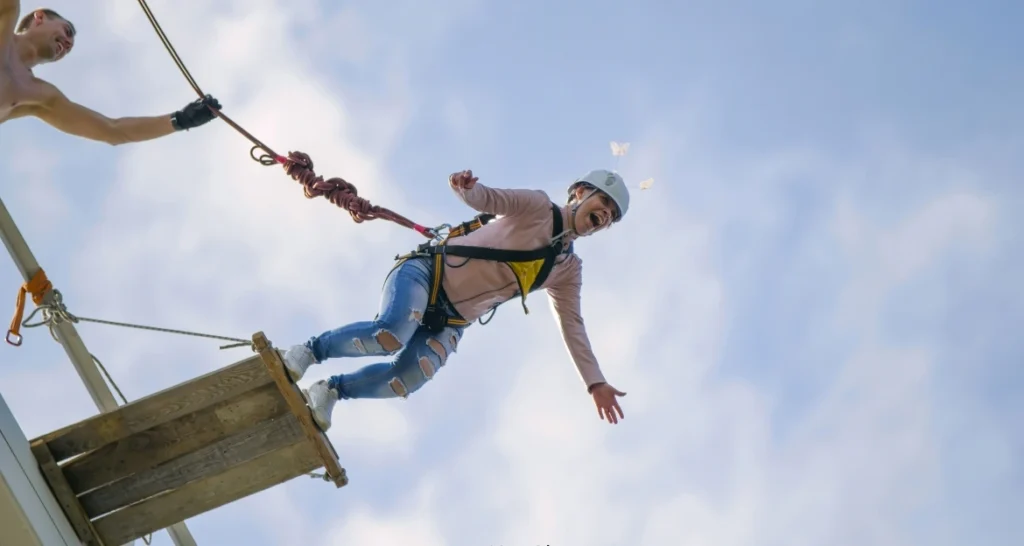
How Safe Is Bungee Jumping Oregon?
Safety is the number one concern for anyone researching Bungee Jumping Oregon, and it’s a fair one to have before jumping off a 300-foot bridge.
Safety Equipment
Reputable operators use dynamic bungee cords engineered specifically for jump weight and height, along with harnesses, carabiners, and rigging hardware rated well beyond expected loads.
Multiple Safety Checks
Most operators use redundant systems — a primary harness plus a backup connection point — so a single point of failure doesn’t put a jumper at risk.
Professional Crew
Jump masters and riggers are trained specifically for bridge Bungee Jumping Oregon operations, not general amusement park staff filling in for the day.
Weather Policies
Jumps are typically paused or canceled in high wind, lightning, or heavy precipitation, since wind is the biggest variable affecting a safe swing and landing.
Emergency Procedures
Sites generally maintain an emergency action plan, including communication with local emergency services, given the remote canyon location.
Inspection Process
Cords, harnesses, and rigging hardware are inspected before each operating day, and cords are typically retired well before reaching their rated jump-cycle limit.
Medical Precautions
Staff ask about medical conditions during registration and can decline jumps for participants with disqualifying health issues (see the eligibility table below).
Safety Checklist Table
| Safety Element | What to Look For |
|---|---|
| Harness type | Full-body and/or ankle harness, properly fitted |
| Backup connection | Secondary attachment point beyond the main cord |
| Weight verification | Staff confirm your weight before cord selection |
| Pre-jump inspection | Visible daily equipment checks |
| Weather policy | Clear cancellation rules for wind/storms |
| Staff certification | Jump masters trained specifically in bungee operations |
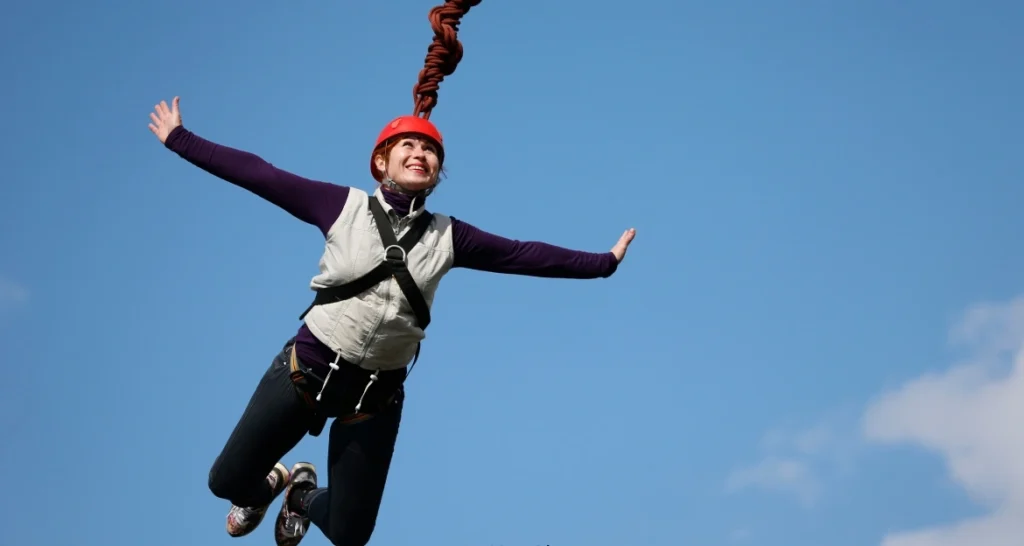
Who Can Go Bungee Jumping?
Before booking Bungee Jumping Oregon, check the eligibility requirements, since operators enforce these strictly for safety reasons.
Minimum Age
Most Oregon Bungee Jumping Oregon operators require jumpers to be at least 18, or 14–17 with a parent or guardian’s signed consent — always confirm the current policy directly with the operator before planning a family trip.
Weight Limits
Typical weight ranges run from around 90 lbs to 250–260 lbs, since cords are calibrated to a jumper’s specific weight for a safe rebound.
Medical Conditions
Heart conditions, high blood pressure, recent surgeries, and certain neurological conditions are common disqualifiers.
Pregnancy Restrictions
Pregnant participants are not permitted to jump, due to the impact forces involved.
Heart Conditions
Anyone with a diagnosed heart condition should consult a doctor before considering a jump, and most operators will decline participation regardless.
Accessibility
The bridge platform and access points may not accommodate every mobility need — contact the operator directly if you have physical accessibility questions.
Eligibility Table
| Requirement | Typical Standard |
|---|---|
| Minimum age | 18 (or 14–17 with guardian consent, operator-dependent) |
| Weight range | Roughly 90–260 lbs |
| Pregnancy | Not permitted |
| Heart conditions | Disqualifying, in most cases |
| Recent surgery | Disqualifying until cleared |
| Alcohol/drug use | Not permitted before jumping |
Cost of Bungee Jumping Oregon
Pricing for bungee jumping in Oregon typically falls in line with other premium U.S. bungee experiences, though exact rates change over time, so always confirm current pricing directly with the operator before booking.
First Jump
A single jump is generally the base-priced option and the most common purchase for first-timers.
Second Jump
Many operators offer a discounted rate for a second jump the same day, since the rigging and safety setup is already in place.
Video Package
Add-on video packages capture the jump from a mounted or handheld camera and are a popular purchase for people who want proof (and bragging rights).
Photos
Photo packages are usually cheaper than video and can sometimes be bundled together.
Group Bookings
Groups of friends or family jumping together may be eligible for reduced per-person pricing — worth asking about directly when booking.
Gift Certificates
Many operators sell gift certificates, a popular option for birthdays or bucket-list gifts.
Cancellation Policy
Weather-related cancellations are common in an outdoor, wind-sensitive activity; ask about rebooking or refund terms before paying.
Pricing Table (General Reference)
| Item | Typical Range |
|---|---|
| First jump | $100–$150 |
| Second jump (same day) | Discounted rate |
| Video package | $30–$60 add-on |
| Photo package | $20–$40 add-on |
| Group rate | Per-person discount for larger groups |
| Gift certificate | Same as standard jump pricing |
Prices vary by season and operator — confirm directly before booking.
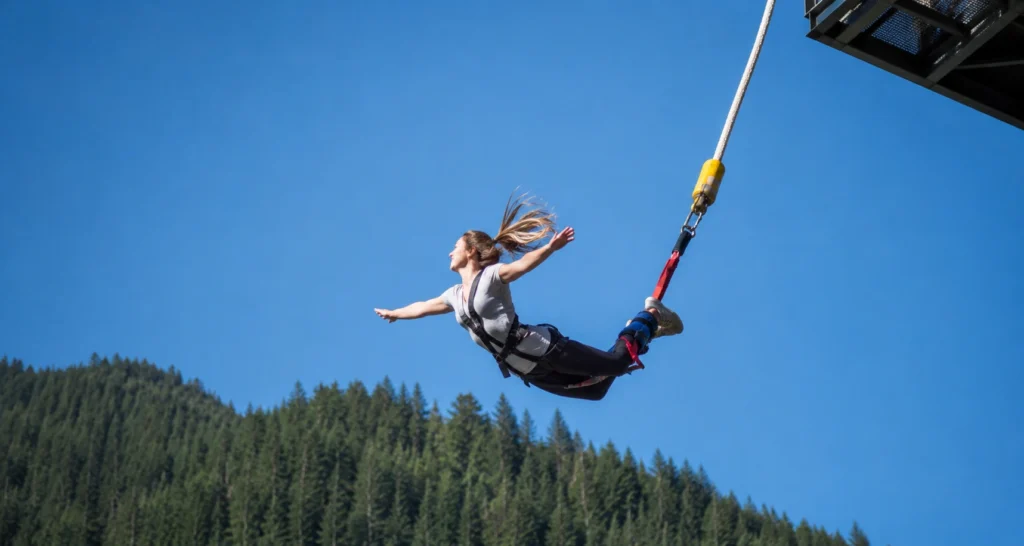
Best Time for Bungee Jumping Oregon
Central Oregon’s high desert climate plays a big role in planning your trip.
Spring
Mild temperatures but higher odds of wind and unpredictable weather.
Summer
The most popular and reliable season, with warm days and lower wind variability — peak demand also means booking ahead matters.
Fall
Cooler, often clear days with fewer crowds than summer.
Weather
Because the jump is wind-sensitive, calm mornings are often preferred by operators over afternoons, when desert winds tend to pick up.
Best Months
Late spring through early fall (roughly May through September) generally offers the most consistent operating conditions.
Crowd Levels
Weekends and July–August see the highest demand; weekday and shoulder-season jumps are easier to book last-minute.
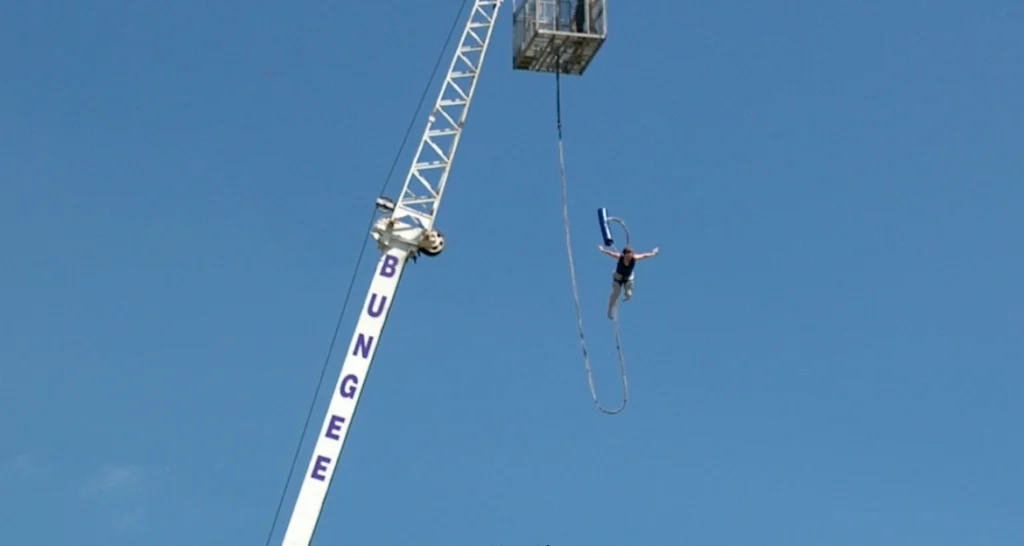
How to Prepare Before Your Jump
A little preparation makes the whole day smoother.
What to Eat
Eat a light, normal meal beforehand — skipping food entirely can leave you lightheaded, while an overly heavy meal can add discomfort during the rebound.
Hydration
Drink water throughout the day, especially in Central Oregon’s dry summer heat.
Clothing
Wear comfortable, fitted clothing that won’t flap or restrict harness straps.
Shoes
Closed-toe athletic shoes with secure laces are standard — sandals and flip-flops are typically not allowed.
Fitness
No special fitness level is required, but comfort with heights and quick movements helps.
Mental Preparation
Give yourself time to sit with the nerves rather than rushing straight from the car to the platform — most operators build this into the check-in and briefing process anyway.
Weather Considerations
Dress in layers if jumping in spring or fall, since mornings in Central Oregon can be chilly even when afternoons warm up.
What Should You Wear?
Recommended Clothing
Fitted athletic wear, leggings, or shorts that won’t billow during free fall.
Footwear
Closed-toe sneakers with laces tied securely.
Accessories
Keep jewelry and loose accessories to a minimum.
Avoid Bringing
Loose hats, sunglasses without a strap, and anything you’re not prepared to lose mid-fall.
Packing Checklist
- Closed-toe athletic shoes
- Fitted clothing (avoid loose skirts or baggy layers)
- Hair tie, if you have long hair
- Water bottle
- Light jacket for cooler mornings
- Camera or GoPro (check the operator’s mounting policy first)
- Valid photo ID
- Signed waiver, if provided in advance
First-Time Jumper Guide
Common Fears
The most common fears are the moment of stepping off the platform and the uncertainty of the free fall itself — both are completely normal, and something jump crews see every single day.
Breathing Techniques
Slow, deliberate breathing in the seconds before the jump can help settle nerves and keep your body relaxed rather than tense.
How to Jump Properly
Follow the jump master’s exact positioning instructions — usually leaning forward from the platform edge rather than jumping outward or upward.
Mistakes to Avoid
Don’t overthink the countdown, and don’t grab the platform or railing at the last second, which can affect balance during the jump.
Confidence Tips
Watching another jumper go first, if possible, can help demystify the process before your own turn.
Why the Adrenaline Rush Feels Incredible
Science Behind Adrenaline
Free fall triggers a rapid release of adrenaline and endorphins, producing the heightened alertness and euphoria many jumpers describe immediately afterward.
Mental Benefits
Facing and completing a fear-inducing activity like this is linked to a short-term boost in confidence and mood for many participants.
Confidence Boost
Completing the jump — especially for someone nervous beforehand — often becomes a personal marker of overcoming fear.
Stress Relief
The intense focus required in the moments before and during the jump can create a temporary mental reset, similar to other high-focus adrenaline activities.
Is Bungee Jumping Oregon Worth It?
Pros
- One of the highest commercial jumps in North America
- Dramatic, genuinely scenic canyon setting
- Professional, experienced local operator
- Memorable bucket-list experience
- Combines well with other Central Oregon attractions
Cons
- Not cheap as a one-time purchase
- Weather-dependent scheduling
- Not suitable for people with certain medical conditions
- Requires a drive out to Terrebonne from Bend or Redmond
Who Should Try It
Thrill seekers, bucket-list travelers, and anyone visiting Central Oregon who’s comfortable with heights and looking for a genuine adrenaline experience.
Who Should Skip It
Anyone with disqualifying medical conditions, a severe fear of heights that outweighs the appeal, or a very tight travel budget that can’t accommodate the add-on cost.
Pros & Cons Table
| Pros | Cons |
|---|---|
| Among the highest commercial jumps in North America | Weather can cause delays or cancellations |
| Scenic, real-canyon setting (not a crane or tower) | Cost adds up with video/photo add-ons |
| Experienced, specialized local operator | Strict medical/weight eligibility rules |
| Great add-on to a Central Oregon trip | 25–30 minute drive from Bend |
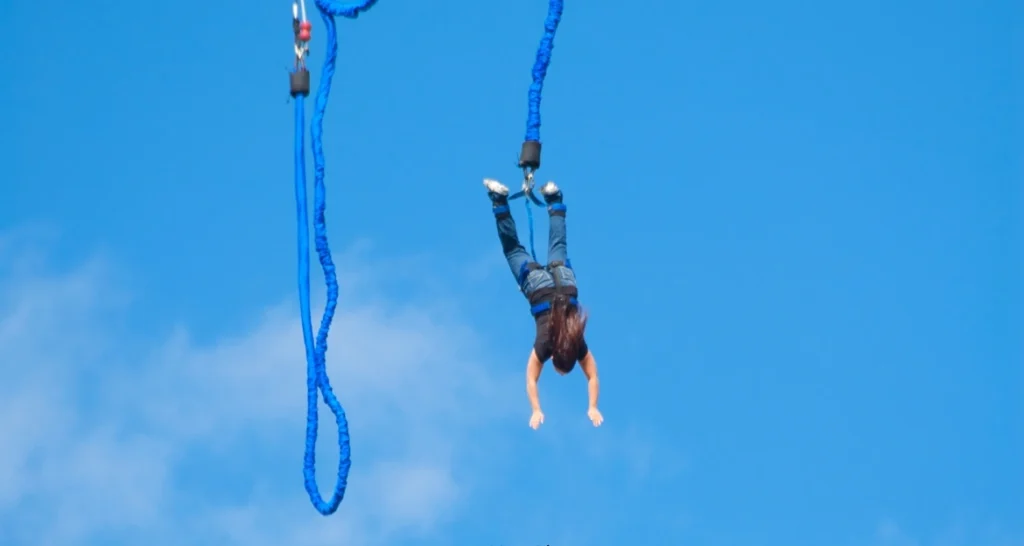
Best Nearby Attractions After Your Jump
Smith Rock State Park
A world-class climbing and hiking destination just minutes from the bridge, known for dramatic red rock formations and river-canyon trails.
Crooked River Canyon
Beyond the jump site itself, the canyon offers fishing and rafting opportunities along the river below.
Bend
Oregon’s outdoor-adventure hub, with breweries, restaurants, and easy access to Mount Bachelor and the Deschutes River.
Redmond
A smaller, closer town to the bridge with lodging and dining options for a shorter trip.
Hiking Trails
Smith Rock’s Misery Ridge and River Trail loops are popular options for a post-jump hike.
Camping
Several campgrounds sit within a short drive, popular with visitors combining the jump with a longer outdoor trip.
Photography Spots
The canyon rim near the bridge and the viewpoints inside Smith Rock both offer strong photo opportunities.
Restaurants
Bend and Redmond both offer a wide range of dining, from casual brewery food to sit-down restaurants — a good way to refuel after the adrenaline wears off.
Oregon Bungee Jumping vs Other US Destinations
| Location | Height | Price | Scenic Views | Difficulty | Best For |
|---|---|---|---|---|---|
| Oregon (Crooked River High Bridge) | ~300 ft | $100–$150 | Canyon/river gorge | Moderate | Highest commercial jump, scenic canyon setting |
| California (bridge-style jumps) | ~100–140 ft | $75–$130 | Forest/river canyon | Easy–Moderate | Shorter free fall, easier accessibility |
| Colorado (select seasonal operators) | Varies, often lower | $80–$120 | Mountain terrain | Moderate | Mountain scenery, seasonal availability |
| Washington (limited commercial options) | Varies | $80–$130 | Forest/river | Easy–Moderate | Fewer year-round operators |
Bungee Jumping Oregon stands out primarily on height — the Crooked River jump is significantly taller than most other commercial U.S. bungee sites, giving a noticeably longer free fall than shorter tower or bridge jumps elsewhere.
Essential Tips for the Best Experience
- Book early, especially for summer weekends, since availability is limited.
- Arrive early to allow time for check-in, waivers, and the safety briefing without feeling rushed.
- Stay hydrated, particularly in summer heat.
- Listen to instructors and follow their exact positioning and countdown cues.
- Capture memories with a video or photo package if it fits your budget.
- Travel with friends — having someone cheer you on (and film you) adds to the experience.
Common Mistakes to Avoid
- Skipping breakfast before the jump
- Wearing loose shoes, sandals, or flip-flops
- Ignoring the jump master’s instructions
- Arriving late and rushing the safety briefing
- Carrying loose valuables during the jump
- Not checking the weather or cancellation policy in advance
- Booking without confirming current eligibility requirements
Photography & Video Tips
GoPro
Ask the operator directly whether personal action cameras are allowed and how they should be mounted — policies vary for safety reasons.
Professional Video
Operator-provided video packages typically use a fixed or crew-operated camera positioned for the best angle of the free fall and rebound.
Camera Angles
An angle from below or beside the platform captures the full free-fall arc better than a straight-down shot.
Best Photo Locations
The public viewpoint at Peter Skene Ogden State Scenic Viewpoint is a great spot for friends and family to photograph the jump from a distance.
FAQs
1. Is Bungee Jumping Oregon safe?
Ans: When booked through an experienced, properly certified operator using inspected equipment and trained jump masters, bungee jumping in Oregon follows established safety standards similar to other reputable commercial bungee operations in the U.S. As with any adventure sport, some inherent risk remains, which is why waivers and eligibility screening exist.
2. How high is the Oregon bungee jump?
Ans: The jump at the Crooked River High Bridge is approximately 300 feet above the river, making it one of the highest commercial bungee jumps in North America.
3. What is the weight limit for bungee jumping in Oregon?
Ans: Most operators set a range of roughly 90 to 260 lbs, since bungee cords are calibrated to each jumper’s specific weight. Always confirm current limits directly with the operator.
4. Can beginners try bungee jumping in Oregon?
Ans: Yes. No prior experience is required — jump masters walk every participant through a full safety briefing and harness fitting before the jump.
5. Is Bungee Jumping Oregon open year-round?
Ans: Operating schedules are typically seasonal, with the most consistent availability from late spring through early fall. Always check current operating dates before planning a trip.
6. What should I wear for Bungee Jumping Oregon?
Ans: Fitted, comfortable clothing and closed-toe athletic shoes are recommended. Avoid
Conclusion
Bungee Jumping Oregon offers something genuinely rare: one of the highest commercial free falls in North America, set against a real high-desert canyon instead of a crane or amusement-park tower. The experience at the Crooked River High Bridge, run by Central Oregon Bungee Adventures, combines a serious adrenaline rush with a setting that’s worth the trip on its own.
It’s best suited to thrill seekers, bucket-list travelers, and anyone visiting Central Oregon who meets the age, weight, and health requirements and is ready for a few unforgettable seconds of free fall. It’s not the right choice for everyone — those with disqualifying medical conditions or a hard “no” on heights should sit this one out — but for most healthy adults, it’s a manageable, well-supervised way to push past a fear and walk away with a story worth telling.
If you’re planning a trip, book ahead, check the weather policy, and pair your jump with nearby stops like Smith Rock or Bend to make a full day of it. Whether it’s your first jump or your fifth, Bungee Jumping Oregon remains one of the most memorable adventure experiences the Pacific Northwest has to offer.