

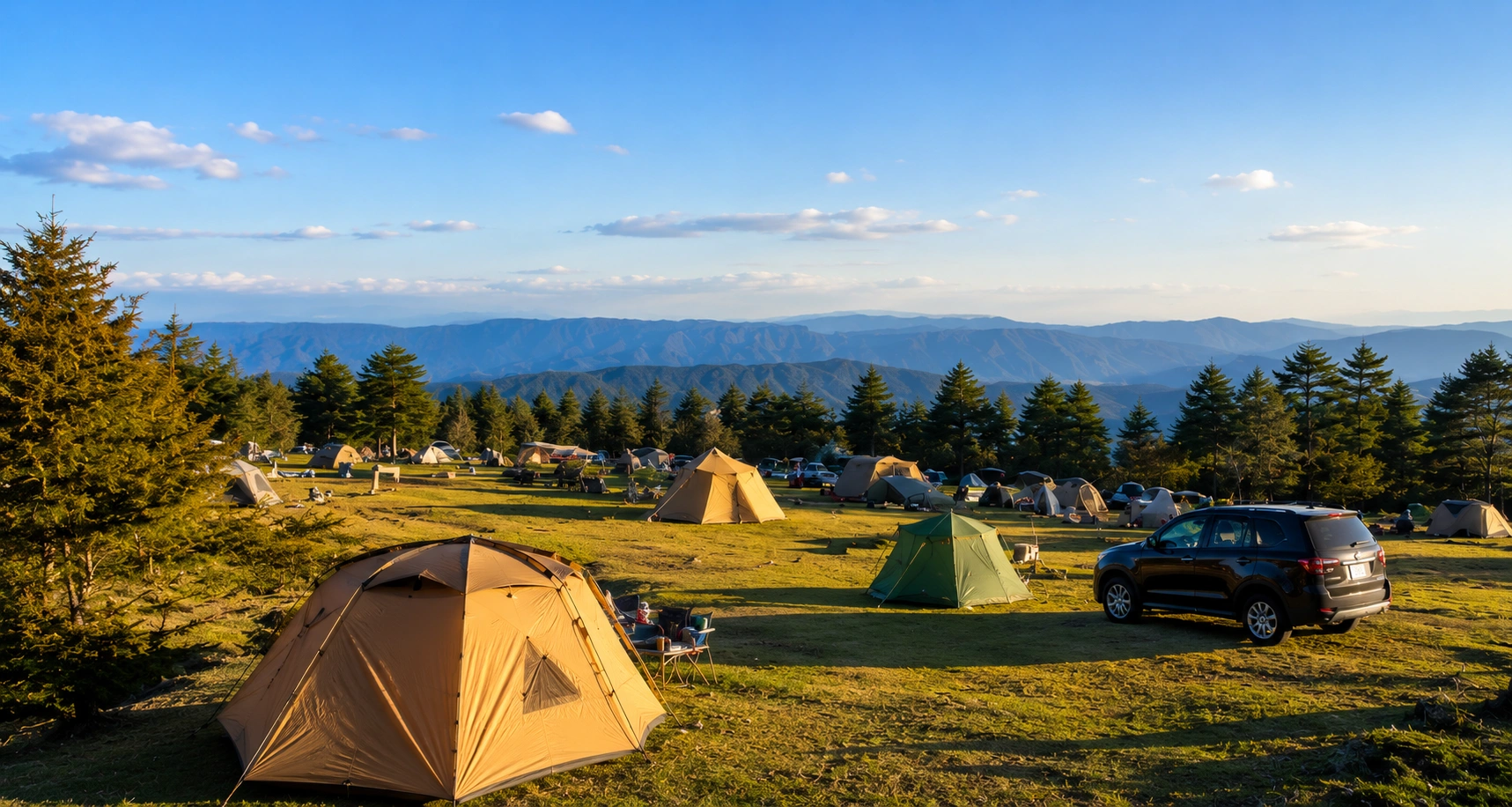
When I opened a tent flap at Lake Motosu and saw Mt. Fuji lying there, unmoved and reflected in all the still water, I realized something that no guidebook had ever done to tell me: Japan is not just temples and Japanese trains. It’s also 3,000-plus Camping spots tucked into volcanic coastlines, alpine valleys, and cedar forests older than most countries. If you have ever envisioned neon-lit Tokyo crossing when you think about it, you are missing half the story, and honestly, the better half.
Camping spots in Japan aren’t an afterthought for outdoorsy backpackers. They’re a genuine and very common national pastime, with vending machines delivering hot coffee at 3 a.m. and Camping spots with better hot springs than most hotels. The Camping spots guide brings together the 10 places that do actually work, locals come back to summer after summer, and not just the most photogenic ones that rank well and disappoint in person. You’ll find your match here if you’re looking for a car Camping spots weekend near Tokyo, a full-blown Mt. Fuji panorama, or a forest that feels like you have walked inside Studio Ghibli’s world.
Why Camping in Japan Deserves a Spot on Your Itinerary
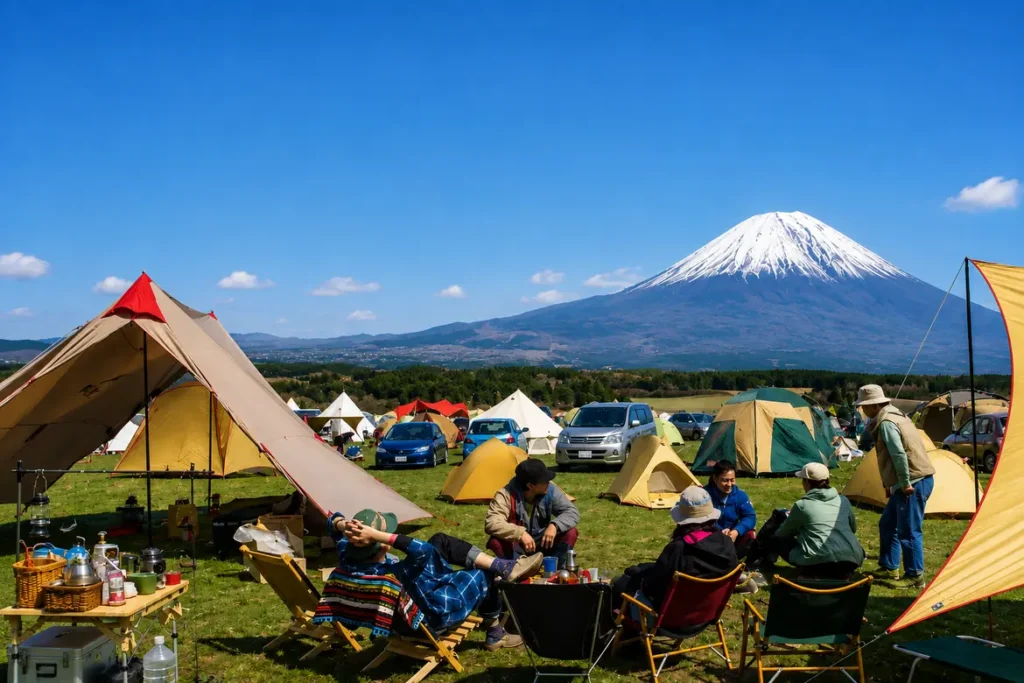
Before we get into the list, it’s worth discussing what makes this country such a weird and wonderful outlier for Camping spots. More than 70% of Japan’s land is mountainous, so dramatic sights are rarely more than a couple of hours from any major city. And unlike wild Camping spots traditions in North America or parts of Europe, Japanese campgrounds are meticulously managed, with clean toilets, running water, and often an onsen within walking distance.
Wild Camping spots is officially discouraged almost everywhere, so almost all of the camping sites covered here are official, maintained sites. That’s not a downside. It means you can show up with little stuff (you can rent tents, sleeping bags, and even barbecue sets), spend as little as 400 yen a night, and still wake up to truly spectacular views. If you’re looking for fun things to do in Japan that are beyond the tourist checklist, then this is where you start.
Peak demand hits during Golden Week (late April–early May) and the summer school holidays (mid-July through August), so when you’re traveling then, book ahead. Outside those windows, many of these areas feel so much less crowded.
1. Kouan Camping Ground, Lake Motosu: The Mt. Fuji Money Shot
If you’ve ever held a 1,000-yen note, you’ve seen this view. Kouan Camping Ground is on the north shore of Lake Motosu, one of the Fuji Five Lakes, and it looks out across still water toward Mt. Fuji’s near-perfect cone. It’s the real-world scene behind the opening episode of the anime Laid-Back Camping spots, which has turned it into something of a pilgrimage site for camping spot fans from all over the world.
You’ll choose between lakeside tent sites (book these early; they go first) and a quiet forest site away from the water. You can find cabins if you’d rather not have to deal with the gear, too. Facilities are simple but durable: coin-operated showers, a small restaurant for lunch, and firewood sold on-site (it’s worth bringing your own dry kindling since supplies can run damp). Get there before 8 p.m., when the gate closes, sign up at the Motosu Central Lodge, and settle in for one of the most photographed sunrises in the country.
Good for: Fuji views, photographers, first-time Camping spots who want scenery without complexity
Nearest access: Roughly 2.5 hours from Tokyo by car or bus/train combo via Kawaguchiko
2. Kamikochi, Nagano: Alpine Serenity in the Northern Japan Alps
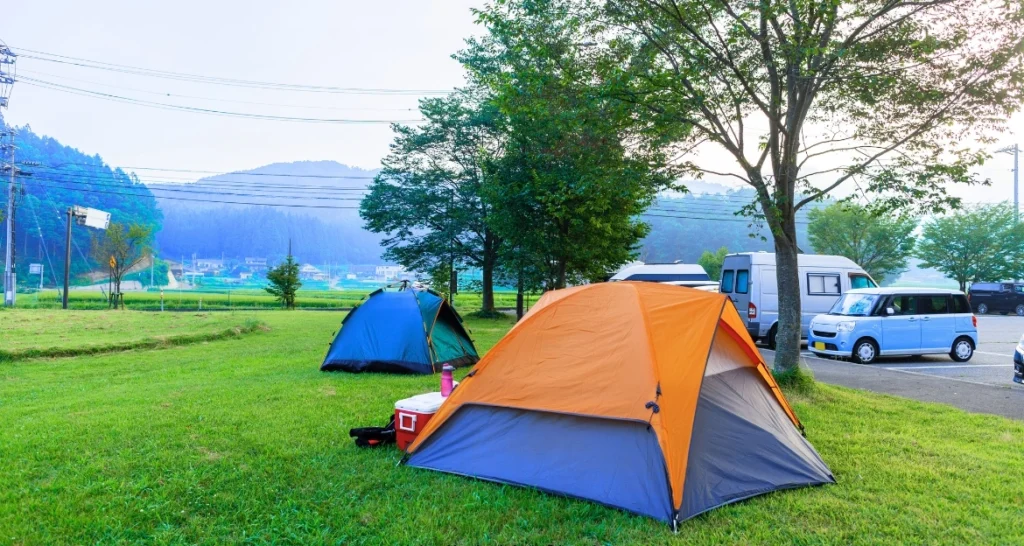
Kamikochi is the kind of place that makes you lower your voice without being told to. In the Northern Japan Alps, the lakeside valley is only accessible by shuttle bus or taxi; no private cars are allowed, so crowds are lower and the air is much cleaner. The Konashidaira Camping Grounds are fully equipped with tent and cabin rentals, gear hire, and even an on-site restaurant, so you can show up with nothing and leave with photos that look professionally staged.
What makes Kamikochi special is not just the alpine lake but the surrounding trail network. Walk to the Azusa River at sunset, and you’ll come to understand why Japanese hikers consider this valley sacred land. Wildlife sightings are common, so keep a respectful distance from the local monkeys.
Good for: Serious hikers, alpine scenery seekers, anyone wanting a car-free wilderness escape. Nearest access: About 5–6 hours from Tokyo; closer via Matsumoto (approximately 1.5 hours)
3. Shiretoko National Park, Hokkaido: Japan’s Wildest Frontier
For campers who want real remoteness, Shiretoko is about as far as you can get from convenience-store civilization while still having a reservation system. This UNESCO World Heritage-listed peninsula in northeastern Hokkaido is one of the most untouched landscapes in Japan, and the Shiretoko National Camping Grounds are located just a short distance from the Kamuiwakka Hot Waterfalls, with extensive hiking and cycling trails and near-guaranteed wildlife encounters, deer, foxes, and yes, brown bears, so pack accordingly and follow local safety guidance closely.
Visiting in winter, the coastline changes completely, with drift ice drifting in from the Okhotsk Sea – a phenomenon that draws its own crowd of photographers and researchers. Summer is when most Camping spots come, drawn by long daylight hours and wildflower-covered hillsides.
Good for: Wildlife lovers, remote-wilderness seekers, winter drift-ice viewing
Nearest access: Fly into Memanbetsu Airport, then roughly 1.5–2 hours by car
4. Yagachi Beach, Okinawa: Camping With Your Toes in the Sand
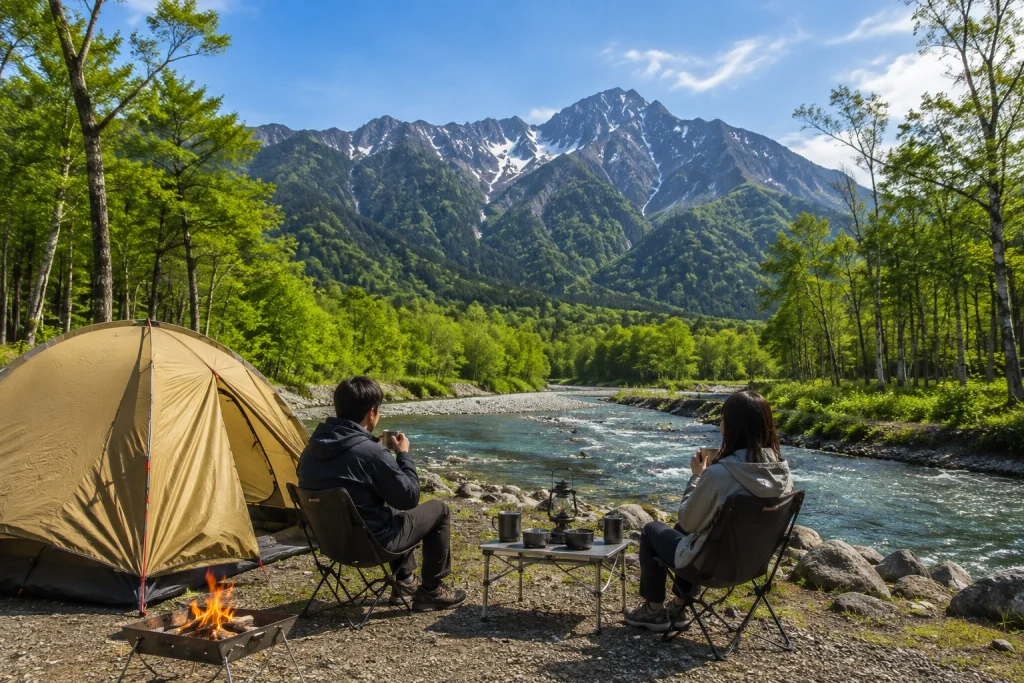
Not every outdoor adventure requires mountains. If turquoise water and white sand are more your speed, pitch your tent steps from the shoreline at Yagachi Beach, one of the more low-key beach camping spots in Okinawa’s northern reaches. The campground comes with shower facilities, a small store, and rental services for everything from bicycles to boats, so a day of paddling or snorkeling requires almost no planning.
The pace here is slower than the Fuji lakes or alpine valleys; this is beach-nap-and-swim territory rather than hard-hiking territory. It’s a truly different type of Japanese camping, and a good reminder that “Camping spots in Japan” doesn’t have one fixed aesthetic.
Good for: Beach lovers, families, easy-access water activities
Nearest access: Roughly 1.5-2 hours by car from Naha
5. Okutama, Tokyo: The Weekend Escape Every Local Knows About
Ask a Tokyo resident where they go camping on short notice, and Okutama comes up constantly. About two hours from central Tokyo by train, this mountainous corner of western Tokyo Prefecture packs in lakes, hiking trails, swimming holes, and rock-climbing spots – plus the truly fascinating Nippara Limestone Cave discovered in 1963 and one of the largest of its kind in the Kanto region.
Campgrounds around Okutama Lake vary from bare-bones tent sites to full-service Camping spots with facilities, gear rental, and chalets, making it one of the most flexible campsites to be included in this camping guide, whether you are going to do it for the first time or have done it more than once and want to be near the city.
Good for: Weekend trips from Tokyo, cave exploring, a taste of nature without a long commute
Nearest access: About 2 hours from central Tokyo via JR train
6. Hakone, Kanagawa: Onsen, Lake Views, and Fuji From Afar
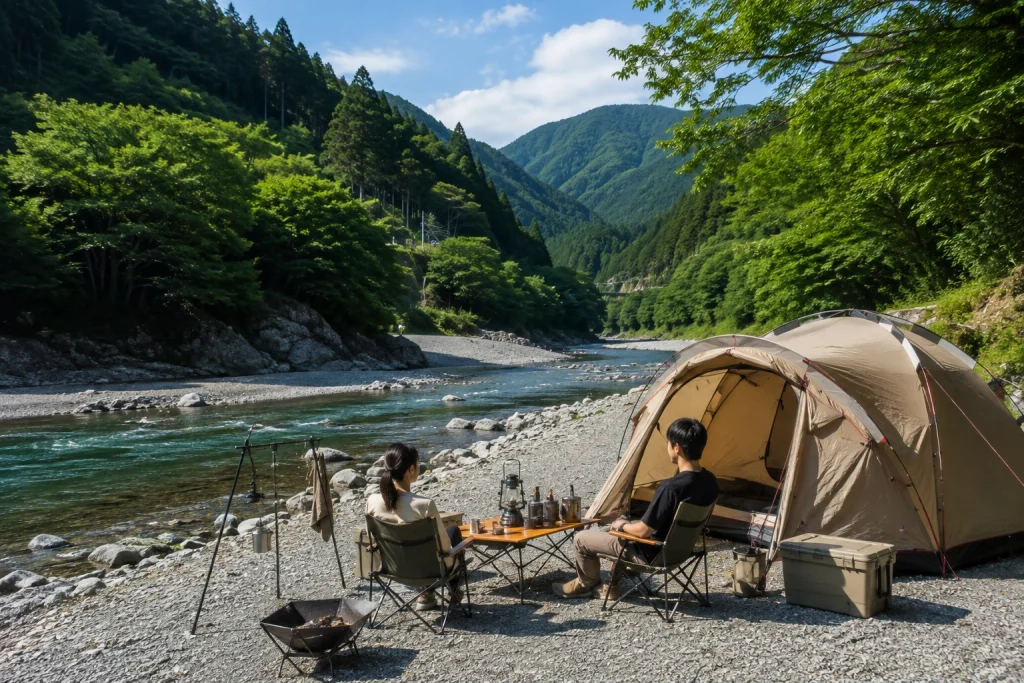
Hakone rarely needs an introduction; it’s already one of the most cherished locations in Japan for its shrines and hot springs. What is surprising to first-time visitors is that you can skip the ryokan completely and camp on the shores of Lake Ashinoko instead, with Mt. Fuji looming in the distance whenever the clouds cooperate. The lake was created about 3,000 years ago by Mt. Hakone’s last eruption is framed by hiking trails, sightseeing cruises and, most important to campers, easy access to public onsen. Spend the day soaking, then walk back to your tent under a sky that feels much darker than it has any right to, just two hours from Tokyo.
Good for: Onsen lovers, scenic lake views, hot springs, and the outdoors
Nearest access: About 2 hours from Tokyo by train or car.
7. Kirishima-Kinkowan National Park, Kyushu: Volcanoes and Hot Springs in One Frame
Down in Kyushu, Kirishima Kogen Kokumin-kyuyochi campgrounds are built in a national park built on active volcanic terrain and the smoke silhouette of Sakurajima is visible on clear days. It is one of the more amenity-rich ones on this list, except for on-site onsen, tennis courts, swimming pools, hiking and cycling, and horseback riding.
It’s an underrated region for international visitors in the sense that Kyushu has less attention than Honshu’s bigger names, which is really a good thing for you. Fewer crowds, a lot more dramatic scenes, and the volcanic landscape is so much different than what you’ll see around Fuji.
Good for: Volcano views, families wanting activity-packed campgrounds, onsen access
Nearest access: Roughly 1 hour from Kagoshima by car
8. Yakushima, Kagoshima: Camping Spots Inside an Ancient, Moss-Covered Forest
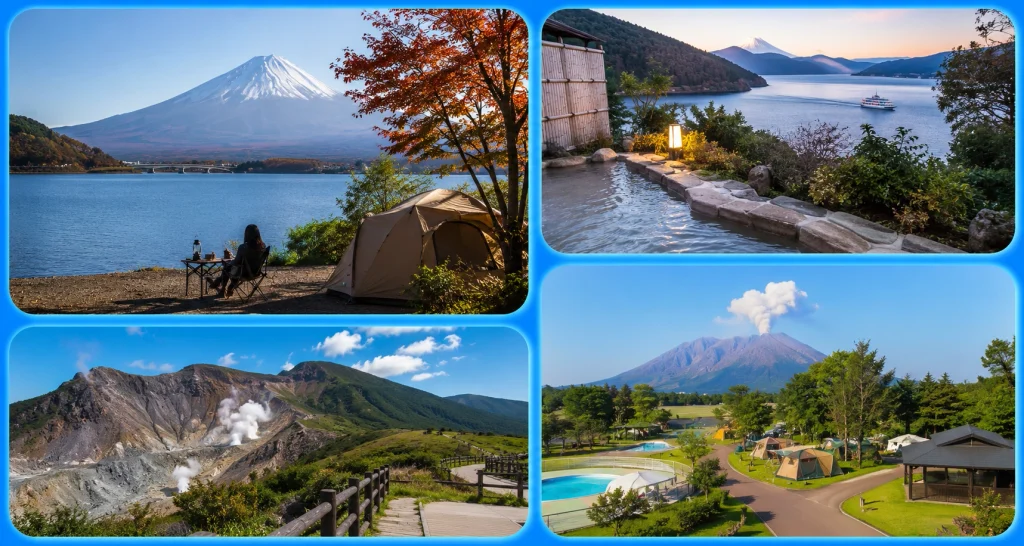
Yakushima is like nothing else in Japan. This subtropical island south of Kyushu is home to cedar trees thousands of years old, moss-blanketed forest floors that inspired parts of Princess Mononoke, and hiking routes that lead up to Mt. Miyanoura, the highest peak in Kyushu. Campsites and travel-village-style grounds in the vicinity of the coast— some of which include cabins, canoeing places, and rental equipment— are good base camps for multi-day trips into the interior.
This is less an island of lakeside relaxation and more of a total immersion in old-growth forest. Trails around the Shiratani Unsuikyo Gorge and toward Jomon Sugi, one of the oldest living trees on the island, reward campers who put in the mileage.
Good for: Serious hikers, forest bathing, a truly unique ecosystem you won’t find elsewhere in Japan
Nearest access: Ferry or flight from Kagoshima, then local transport to trailheads
9. Nagano Highlands (Sugadaira & Kayanodaira), Auto Camping Country
Nagano Prefecture is probably the beating heart of Japan’s auto-camping culture, and the Sugadaira and Kayanodaira plateaus show why. These highland campgrounds let you drive right up to your tent site, with basic free sites and fully serviced auto-camp plots with private family baths, rental barbecue sets, and starlit skies that seem enormous once you’re above the haze of the valleys.
Kayanodaira, in particular, is in a beech forest called a National Recreational Forest, and it gives the whole area that kind of mysterious, hushed feeling even though the campground itself is busy. For travelers who’ve rented a car and want flexibility to travel around the wider Nagano region, hot springs towns, ski resorts converted for summer trailheads, historic post towns and such, this is your base.
Good for: Road-tripping campers, families, stargazing
Nearest access: 2–3 hours from Tokyo chaos depending on which plateau you’re headed to
10. Aso-Kuju National Park, Kumamoto: Camping Spots on an Active Caldera
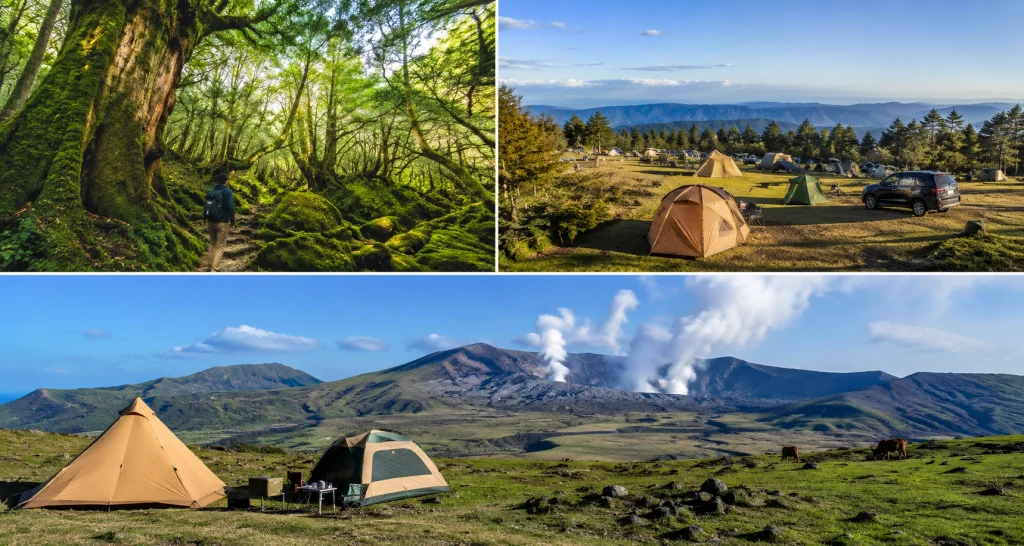
Few places in the world have camping space to pitch a tent in one of the world’s largest active volcanic calderas. Aso-Kuju National Park in central Kyushu offers just that, with grasslands, hot springs and the still active Mt. Aso crater drawing hikers and campers looking for a bit of adrenaline (check volcanic activity advisories before you go; access to the crater rim closes periodically for safety).
The pastureland is truly striking, wide open, almost otherworldly, covered with grazing cattle and steam vents. Campgrounds here tend to be simpler than the highly developed sites near Fuji, which are suited for a rawer, less curated experience.
Good for: Volcano lovers, wide-open landscapes, a little-known and off-the-radar Kyushu adventure.
Nearest access: Around 1.5 hours from Kumamoto City by car.
Planning Tips Before You Pitch a Tent
A few practical notes that’ll save you a frustrating first night:
- When peak season is coming in, book ahead. Golden Week and mid-July through August are the peak times when campgrounds fill up, particularly those for the popular camps like Kouan.
- Get your passport. You have to register your ID upon arrival at most sites.
- Don’t think showers are offered. Many of the campgrounds charge for coin-operated showers, and towels usually aren’t provided.
- Rent locally if you’re not checking bags full of gear. Larger sites rent tents, sleeping bags, and cooking equipment for a few hundred yen, so flying in with zero gear is a totally viable plan here.
- A rental car opens up far more options. There are few or no public transport options to campgrounds, and auto-camping (parking right next to your tent) is big in this country for good reason.
- Pack for temperature swings. Summer nights in the mountains or near lakes can get surprisingly cold when the sun goes down.
Quick Comparison: Which Spot Fits Your Trip?
| Campsite | Region | Best for | Rough cost | Getting there |
| Koan, Lake Motosu | Yamanashi | Iconic Fuji view | ~600 yen/adult | Car or bus from Kawaguchiko |
| Fumotoppara | Shizuoka | Open-field scale | ~1,000 yen + 2,000 yen/car | Bus from Kawaguchiko Station |
| Konashidaira, Kamikochi | Nagano | Alpine scenery | Site fees vary | Shuttle bus only, no cars |
| Hikawa, Okutama | Tokyo | Easy first trip | ~2,000 yen/tent | 5-min walk from Okutama Station |
| Nagatoro Auto | Saitama | River sports, beginners | Site fees vary | Train + short walk |
| Morappu, Lake Shikotsu | Hokkaido | Families, lakeside | A few hundred yen | Car recommended |
| Wakoto, Lake Kussharo | Hokkaido | Dig-your-own onsen | A few hundred yen | Car essential |
| Yagachi Beach | Okinawa | Tropical beach Camping spots | Site fees vary | Car from the Naha area |
| Kirishima Kogen | Kyushu | Volcano + onsen | Site fees vary | Car recommended |
| Circus Outdoor | Tokyo | Glamping comfort | Premium | Train + bus from Shinjuku |
Insider note: Prices and opening seasons shift year to year, and several of these sites close entirely in winter. Confirm current rates and dates directly with each campground before you commit, especially for the Hokkaido and Okinawa grounds, which run seasonal calendars.
Camping Spots
Your Next Trip Starts With a Tent Stake
What sticks with you after Camping spots in Japan isn’t just the postcard views, though there are plenty of those. It is the little, specific things, vending machines glowing in the dark at a mountain campground, the special quiet of Kamikochi at sunrise, the sting of a coin-operated shower running out right as you’ve got shampoo in your hair. These camping spots offer something Japan’s cities can’t: a slower, rawer way to experience a country usually associated with speed and precision.
At least pick one that has the kind of trip you want: Fuji drama at Kouan, alpine hush at Kamikochi, beach lounging at Yagachi, and book early if you’re going to go during peak season. But if you’re going to plan it, pack a headlamp, bring cash for those coin showers, and at least one night on your own with nothing but the view outside your tent.
FAQs
Q1. Is wild camping legal in Japan?
Ans. Well, no. Wild Camping spots is generally illegal in almost all parts of the country and illegal on private or protected land. There are a few free, unofficial sites with resources for budget travelers to choose from, but sticking with the roughly 3,000 official camping spots nationwide is safer and more reliable.
Q2. How much does camping cost in Japan?
Ans. It varies by site, but a night for two people with a tent and a car usually runs somewhere around 1,500 yen, and smaller campsites can start as low as 400 yen per person. Cabins and bungalows cost more, often 4,000 to 30,000 yen a night, but still undercut most hotel rates.
Q3. Do I need my own Camping spots equipment?
Ans. Not necessarily. Some established campsites, especially large ones, rent tents, sleeping bags, cooking equipment, and even barbecue sets. If you’re traveling light, you’re also very much free to go empty-handed and still have a good time.
Q4. When is the best time to go camping in Japan?
Ans. Late spring to early autumn is the most popular season, and Golden Week and the summer school holiday from mid-July to late August. Shoulder seasons (May–June, September- October) tend to bring milder crowds and warmer temperatures, especially at lower-elevation sites.
Q5. Can I camp near Tokyo without renting a car?
Ans. Yes. Okutama and parts of Hakone are both accessible by train, and even within Tokyo’s borders, the Wakasu Seaside Park offers surprisingly accessible Camping spots without a car at all.
Q6. Is it safe to go camping in Japan, including around wildlife like bears?
Ans. In general, yes, Japan’s campgrounds are very well maintained and safe. In areas where bears are present, like Hokkaido’s Shiretoko, you should follow the advisories given, store food, and avoid hiking alone early in the morning and at night (when bear activity is high).