

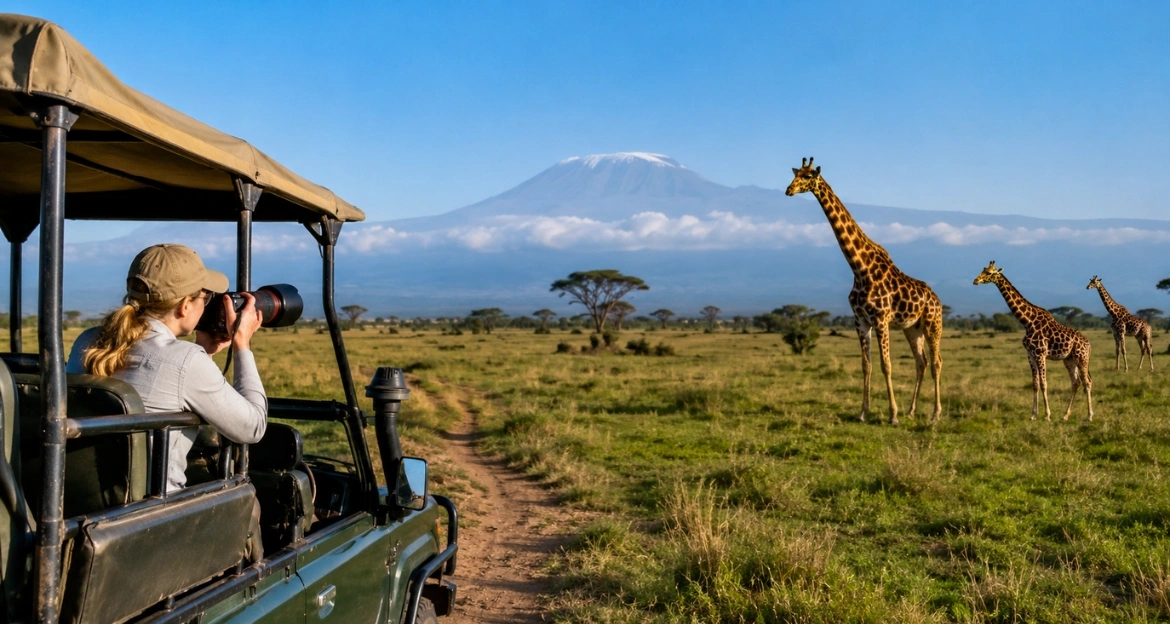
When a lioness pads within meters of your open-sided Land Cruiser at dawn, there’s a kind of stillness that’s hard to describe. Your breath stops. Time stretches. And somewhere deep beneath the adrenaline, there is this quiet thought: I need this place to still exist in twenty years. It is precisely that thought that undergirds why the most popular conservation best safari holidays, those trips where your presence actively funds wildlife protection and community livelihoods, have become 2026’s most sought-after travel experiences.
For UK travelers, the time has never been better. A slew of new eco-luxury lodges, tighter conservation certifications, and more direct flight routes have made the Best Safari Holidays much more accessible and far more truly memorable than the classic ‘hop on a minibus and tick off the Big Five’ trip of a generation ago. This will be Safari 2.0: intimate, intentional, and embedded in the fabric of the landscapes it celebrates.
Whether it’s your first time trying to decide between safari adventure holidays and a beach retreat or you’re a seasoned traveler searching for something more meaningful than a five-star lodge view, this guide walks you through some of the best conservation-led best safari holidays destinations in the world—what to look for in an ethical operator, best safari park in uk alternatives for shorter breaks, and every practical detail that makes the difference between a good trip and a transformative one.
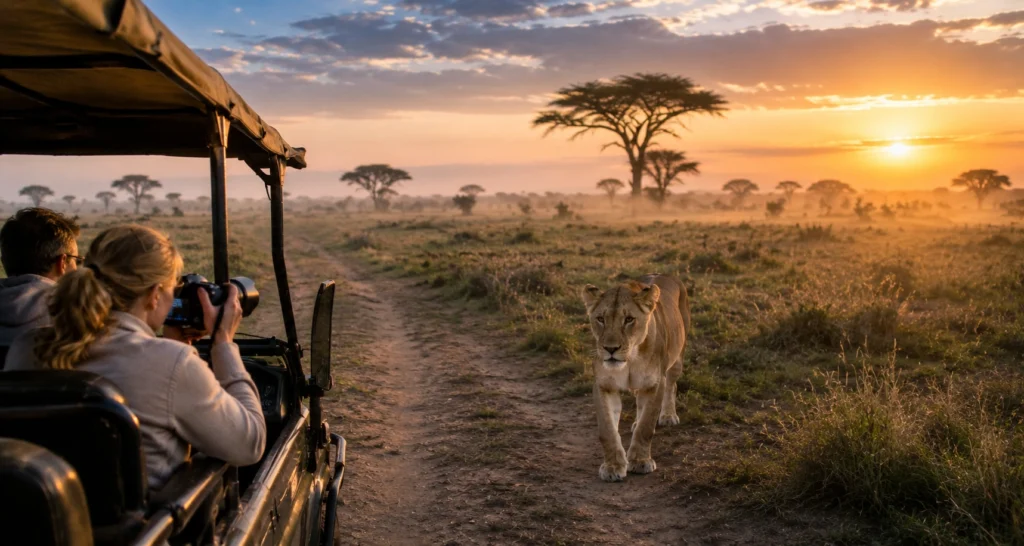
What Actually Makes a Best Safari Holidays Conservation-Led’?
Many safari marketers now attach the word ‘conservation.’ A genuinely conservation-led holiday is something particular, and an awareness of that distinction helps safeguard not only yourself but also the wildlife you’re paying to see.
At its heart, the best safari holiday is one where a meaningful share of your expenditure, ideally 10–25% of the total trip cost, actually goes to wildlife protection programs, anti-poaching units, habitat restoration, or local community benefits. More than just money, it means operators work within frameworks like Fair Trade Tourism, EcoTourism Kenya, or the Travelife sustainability certification, all of which require independently audited standards for ecological impact and local employment.
Key Markers of Genuine Conservation Travel
- Partner lodges that run or fund on-site anti-poaching rangers.
- Number limits on vehicles per game drive to prevent wildlife stress.
- Community ownership structures, e.g., conservancies co-managed with Maasai, Samburu, or local San communities.
- Published annual conservation reports with verifiable outcomes.
- Renewable energy use in lodge operations.
- Guides who are from the local region and trained in wildlife ecology.
The other destinations that follow qualify and provide the game viewing that will spoil every holiday forever.
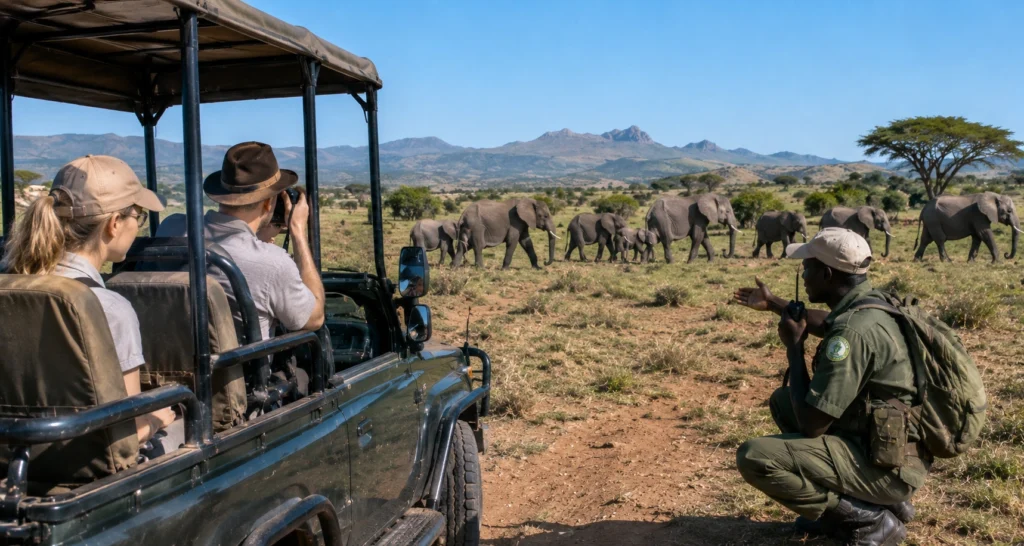
The 7 Best Safari Destinations for UK Travellers in 2026
This shortlist is based on three criteria: exceptional wildlife encounters, strong and verifiable conservation frameworks, and practical accessibility from UK departure airports.
01. Maasai Mara & Laikipia, Kenya
Best for: Big Cats · Wildebeest Migration · Private Conservancies.
Budget guide: £4,500–£9,000 pp for a 10-day guided safari adventure holiday.
Kenya continues to be the gold standard of conservation best safari holidays travel, and it’s better than ever in 2026. Private conservancies bordering the Maasai Mara (Ol Kinyei, Mara North, and Naboisho) severely restrict visitor numbers, so you’re able to spend a full morning watching a cheetah hunt with no other vehicle in sight. In the Laikipia Plateau, Ol Pejeta Conservancy is home to the last two northern white rhinos on earth, as well as a sanctuary for rescued chimpanzees, a deeply moving experience layered into an otherwise classic safari itinerary.
In Kenya, the best safari adventure holidays from the UK typically run from London Heathrow or Manchester direct to Nairobi, with light aircraft transfers into the bush. The dry seasons, July to October and January to March, provide the clearest skies and densest wildlife concentrations.
- Private conservancy fees fund anti-poaching rangers and Maasai community benefits.
- Night drives and walking best safari holidays are available (rare in national parks).
- Ol Pejeta supports the northern white rhino IVF program.
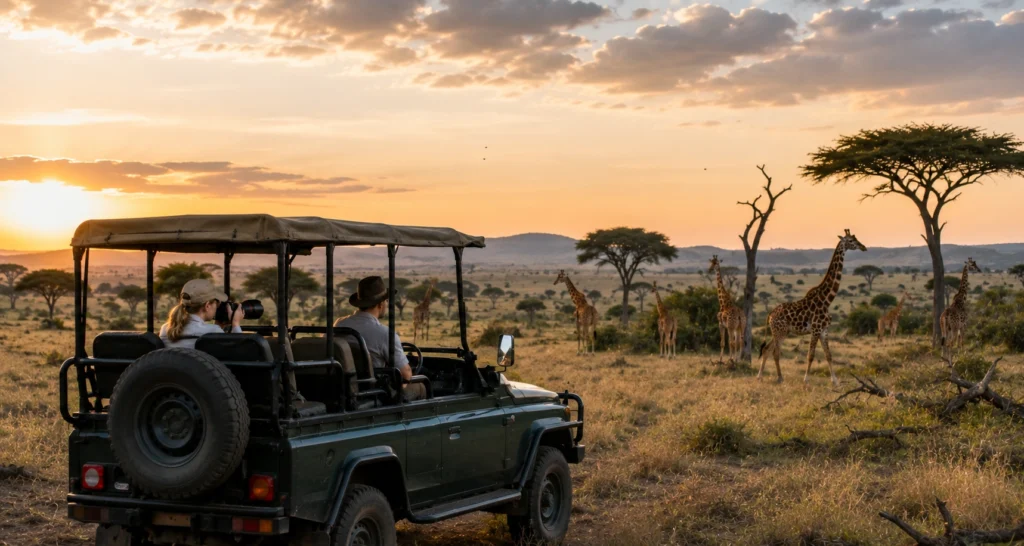
02. Okavango Delta & Chobe, Botswana
Best for: Exclusivity · Elephant Herds · Water Safaris
Budget guide: £7,000–£14,000 pp for a luxury 10-day itinerary.
Botswana has literally constructed its entire tourism system around high-value, low-volume travel, and it shows. Stringent government limits on visitor numbers mean the Okavango Delta, a UNESCO World Heritage Site, never feels crowded. One of the world’s best wildlife experiences involves gliding through papyrus channels in a traditional mokoro canoe with a game-tracking guide, spotting hippos and sitatunga at arm’s length. Meanwhile, Chobe National Park hosts the largest concentration of elephants in Africa, some 130,000 individuals, best seen by boat best safari holidays along the Chobe River.
Botswana safari vacation deals are generally on the more high-end end of the spectrum, in line with their conservation-first ethos, but there’s a quality of experience that justifies every penny of the cost.
- The Department of Wildlife and National Parks is funded via direct government levies.
- Solar-powered zero-plastic operations are the standard for most camps.
- Outstanding birding — over 550 species in the Delta alone.
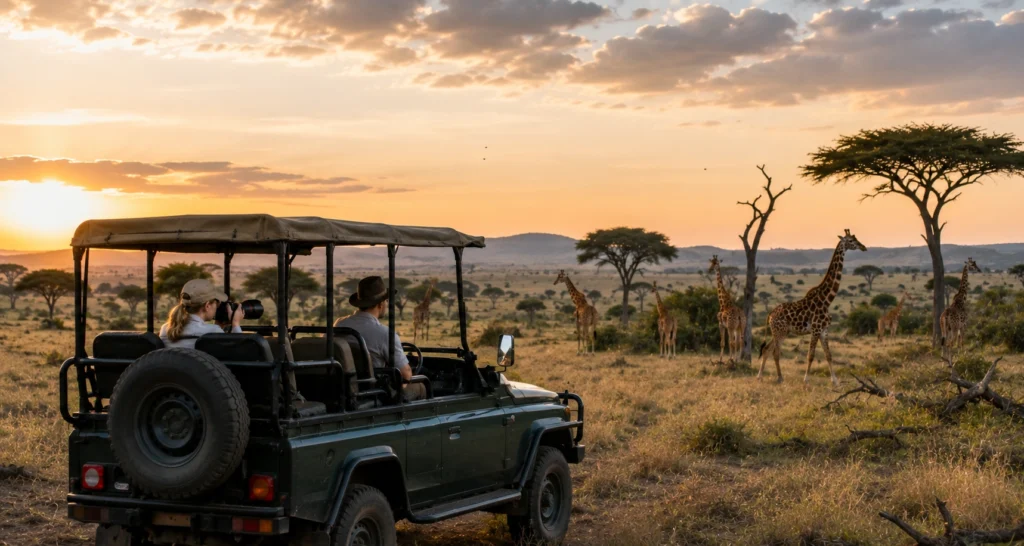
03. Serengeti & Ngorongoro, Tanzania
Best for: The Great Migration · Crater Wildlife · Cultural Immersion.
Budget guide: £5,000–£10,500 pp for a 12-day best safari holidays adventure holiday.
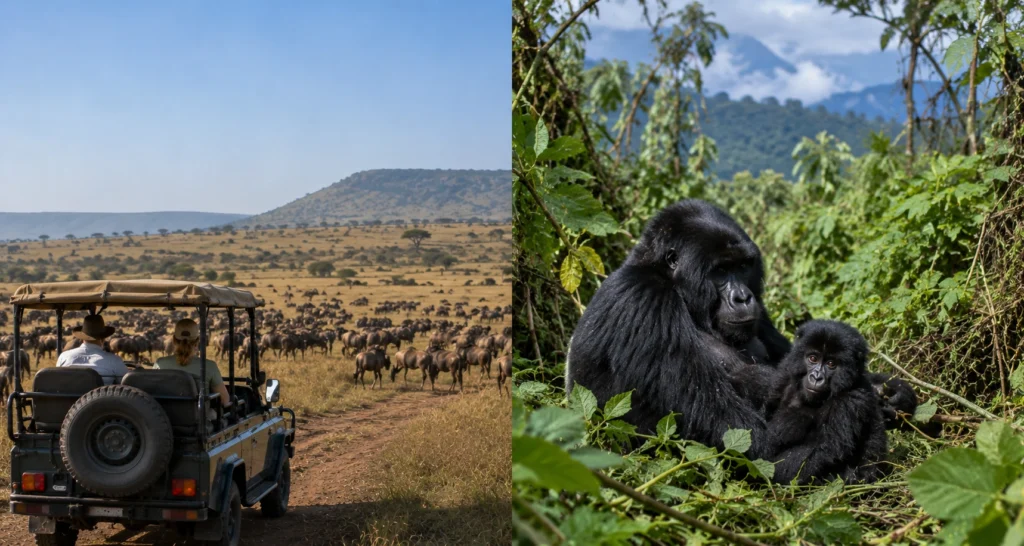
The Serengeti’s Great Wildebeest Migration, some 1.5 million animals churning across the savannah in a seasonal loop between Tanzania and Kenya, remains one of the greatest natural spectacles on earth. But Tanzania’s conservation story is more than a spectacle. The Ngorongoro Conservation Area boasts a unique ecosystem: a 260-square-kilometer volcanic crater floor with the highest density of predators in the world. Here, prices support the Ngorongoro Conservation Authority, which provides dual funding for Maasai pastoral livelihoods and habitat protection.
For UK holidaymakers who want to combine their Best Safari Holidays with a beach extension, Tanzania pairs beautifully with Zanzibar or the Pemba Island marine reserves.
- Tanzania’s national park fees are among Africa’s highest, with the money going straight into conservation.
- Ruaha and Katavi provide remote, crowd-free options in the south.
- Alongside Zanzibar’s coral reef marine conservation initiatives.
04. Volcanoes National Park, Rwanda
Best for: Gorilla Trekking · Primate Conservation · Luxury Eco-Lodges
Budget guide: £4,000–£8,000 pp including the permit
If there is only one wildlife experience in the world that can rewire your relationship to the animal kingdom, though, it is spending an hour in the company of a mountain gorilla family in Rwanda’s Virunga mountains. Rwanda’s gorilla permit system, at about $1,500 per person, reaps most of the revenue from direct conservation. The mountain gorillas numbered 620 in 2010 to more than 1,000 today, making this one of conservation tourism’s greatest success stories. In 2026, it is among the world’s most in-demand safari adventure holidays.
- Gorilla permit fees will aid anti-poaching patrols, along with community development.
- An optional golden monkey trek in the same park.
- Perfect for blending with the Akagera National Park Big Five savannah best safari holidays.
05. Namibia Communal Conservancies
Best for: Self-Drive · Desert Landscapes · Community-Owned Tourism.
Budget guide: £3,500–£7,000 pp for a 12-day trip.
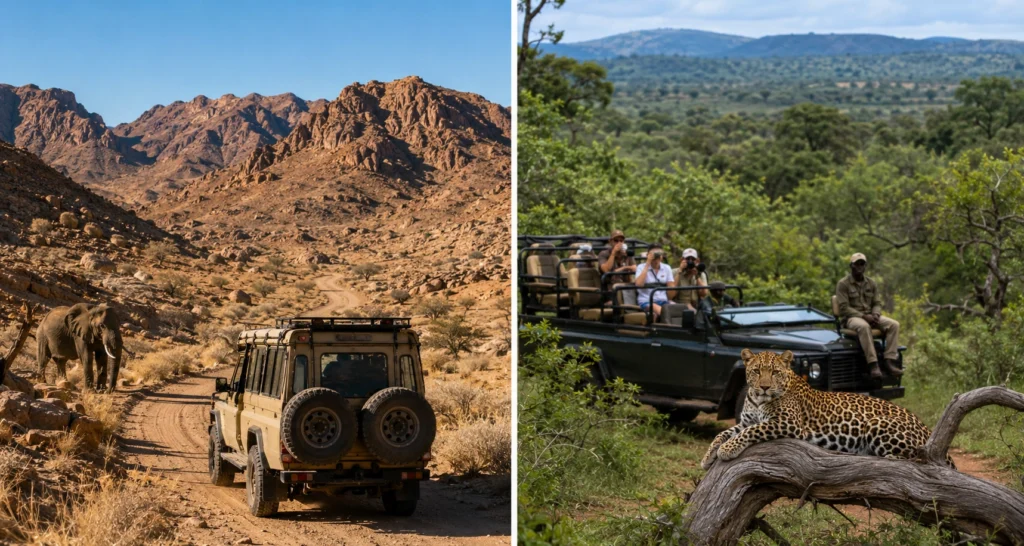
Namibia’s system of communal conservancies may be the most progressive conservation model that ever emerged in Africa. Eighty-six community-owned conservancies now encompass more than 20 percent of Namibia’s area, and the nation’s wildlife, including desert-adapted lions, black rhinos, and painted wolves, have made a remarkable recovery since the program began in the 1990s. Visiting a communal conservancy camp, guests are aware that their daily rate translates directly to the households whose land runs near the wildlife. It’s conservation engagement, not just conservation tourism.
- Desert-adapted elephants in Damaraland are one of a kind in the world.
- The Namib Desert: night sky, some of the best visibility in the world for stargazing.
- Self-drive routes viable for adventurous tourists.
06. Greater Kruger & Sabi Sands, South Africa
Best for: Accessibility · Big Five · Malaria-Free Options.
Budget guide: £3,500–£9,500 for a 10-day itinerary.
South Africa is still the most logistically convenient African safari destination for UK tourists, with direct flights from Heathrow and Manchester, along with well-mapped, English-speaking, world-class infrastructure. The Sabi Sands private reserves bordering Kruger provide excellent reporting (most accurate in Africa) of leopard sightings, all under the confines of a private conservancy, which severely limits vehicles per sighting. KwaZulu-Natal’s Phinda Resource Reserve is one of Africa’s best rewilding scenes, bringing back black and white rhinos, cheetahs, and nyala to abandoned land.
- Reserves free from malaria for families, Madikwe, Waterberg.
- Phinda has 16,000 community member beneficiaries and a local community benefits program.
- The Cape Town extension introduces culinary, wine, and marine wildlife experiences.
07. Best UK Safari Parks, Closer to Home
Best for: Families · Short Breaks · UK-Based Conservation.
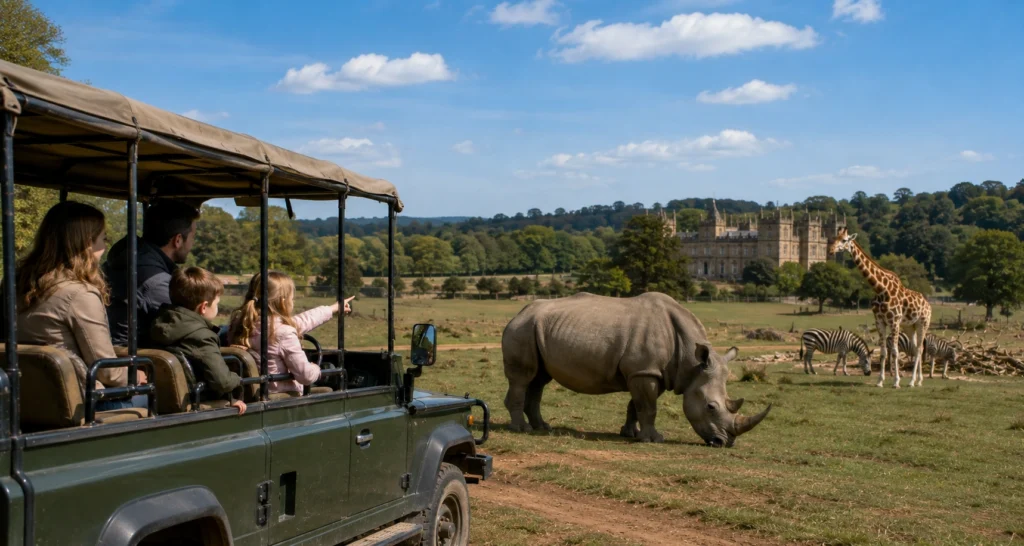
Not every best safari holidays needs a long-haul flight. The best safari park in uk scene has quietly evolved into one of the most innovative in the world. Port Lympne in Kent, owned by the Aspinall Foundation, has reintroduced black rhinos to Rwanda and gorillas to the Congo, animals the Foundation first bred and farmed in its own habitat. Longleat Safari Park in Wiltshire and Woburn Safari Park in Bedfordshire provide authentic drive-through wildlife experiences and conservation education programs. For families, a UK safari park break is the perfect start to wildlife conservation travel.
- Port Lympne: overnight glamping inside the reserve for £200/night.
- Longleat: the nation’s biggest lion pride in drive-through conditions.
- West Midland Safari Park: an existing rhino breeding program and ongoing conservation effort.
- Scottish Highlands: Capercaillie and red squirrel rewilding initiatives.
“Safari 2.0 will not consist of viewing our wild world in a silent world. It’s about getting somewhere, taking a break from your life, opening your wallet, and knowing full well that the lions will still be there for your grandchildren because you brought them.”
Conclusion: Leave a Lasting Legacy in 2026
Your holiday preferences hold considerable power. The best conservation best safari holiday you can invest in goes a long way, converting a luxury vacation into an act of conservation. When you come home from your travels, all the same, you leave not only with memories of breathtaking wildlife encounters but also with the silent joy of knowing your journey has helped safeguard those fragile ecosystems for future generations.
Are you ready to plan your purposeful and sustainable departure to 2026? Check out our newest curated itineraries and travel guides at Traveler Tribes. Let us guide you to experience the world responsibly, beautifully, and purposefully.
FAQs
1. What makes an itinerary one of the Best Safari Holidays?
Ans. The best safari holidays are ones that contribute directly to wildlife protection, local communities, and sustainable tourism.
2. Can I find high-quality safari adventure holidays that are completely carbon-neutral?
Ans. Yes. A lot of eco-lodges are powered by solar, refrain from single-use plastics, and support verified carbon-offset projects.
3. Which is the best safari park in the UK for supporting wildlife conservation?
Ans. Yorkshire Wildlife Park is renowned for its effective wildlife conservation programs worldwide.
4. Are there any hidden fees when booking safari vacation deals?
Ans. Yes. Many safari deals don’t include conservation or national park fees, so a full price breakdown should be looked into ahead of booking.
5. Is a conservation safari suitable for young families?
Ans. Absolutely. Most safaris and best safari park in uk offer educational wildlife activities tailored specifically for children and families.